






Suche:
- # Artistry
- # Biology
- # Chemistry
- # Ecological
- # Economy
- # English
- # Foreign Language
- # Geography
- # German
- # Health
- # History
- # Informatik
- # Latin
- # Mathematics
- # Media Education
- # Music
- # Physics
- # Politics / Civics
- # Preschool
- # Primary School
- # Religion
- # Society
- # Sports
- # Technology
- # Training of Teachers
- # Vocational Education
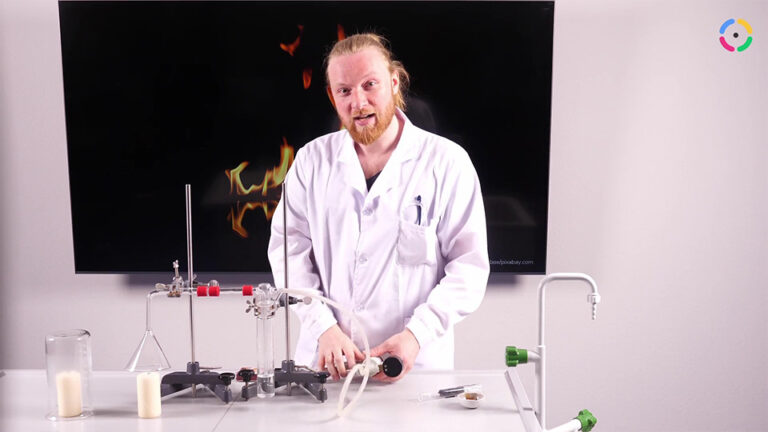
Feuer und Flamme
Zehn interaktive H5P-Aufgaben, die den Ablauf einer Schulstunde nachvollziehen, erklären in Videos Verbrennungsreaktionen und sichern das Wissen mit Aufgaben ab.
Learn more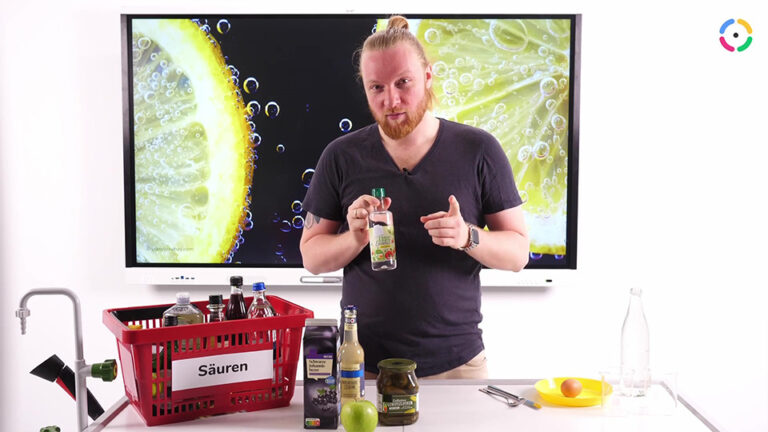
Saure und alkalische Lösungen im Alltag
Zehn interaktive H5P-Aufgaben, die den Ablauf einer Schulstunde nachvollziehen, erklären in Videos saure und alkalische Lösungen und sichern das Wissen mit Aufgaben ab.
Learn more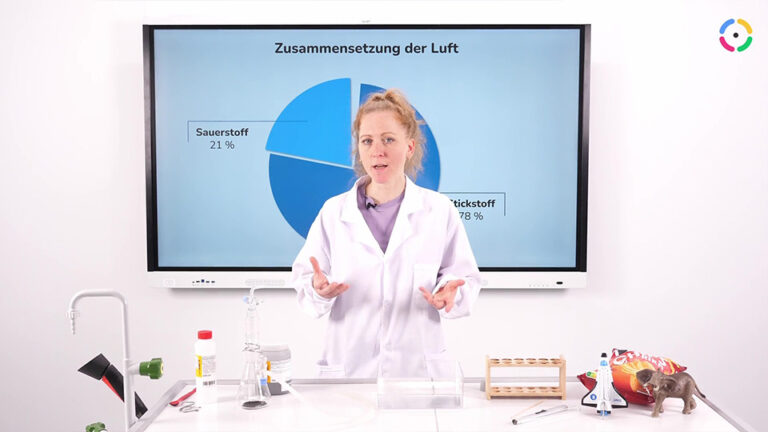
Luft und ihre Zusammensetzung
Zehn interaktive H5P-Aufgaben, die den Ablauf einer Schulstunde nachvollziehen, erklären in Videos die Zusammensetzung der Luft und sichern das Wissen mit Aufgaben ab.
Learn more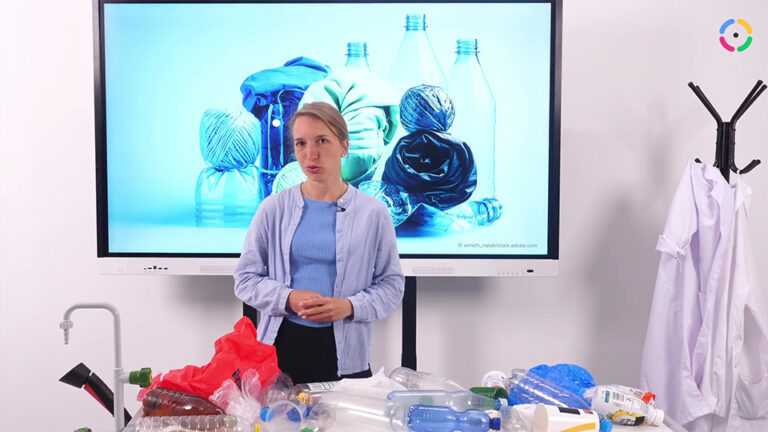
Kunststoffe
Zehn interaktive H5P-Aufgaben, die den Ablauf einer Schulstunde nachvollziehen, erklären in Videos Kunststoffe und sichern das Wissen mit Aufgaben ab.
Learn more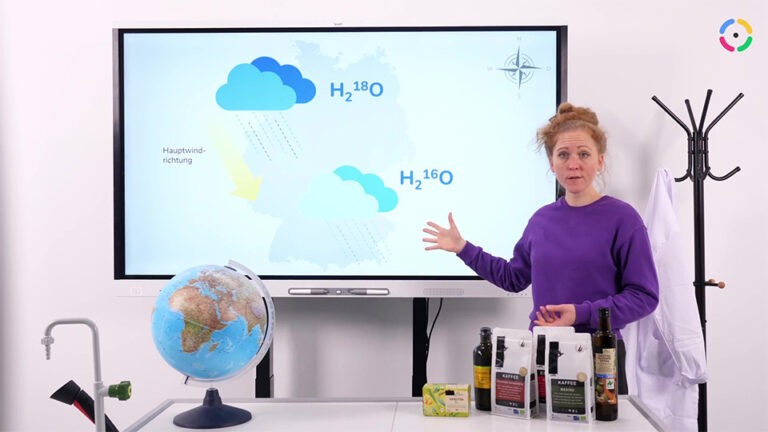
Isotope
Zehn interaktive H5P-Aufgaben, die den Ablauf einer Schulstunde nachvollziehen, erklären in Videos Atomaufbau und Isotope und sichern das Wissen mit Aufgaben ab.
Learn more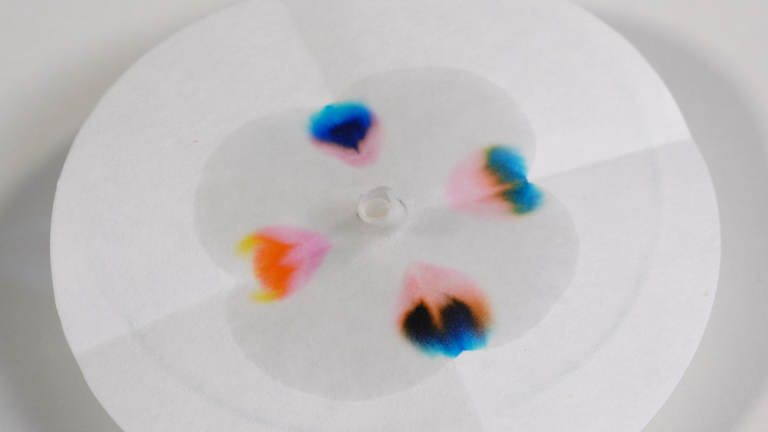
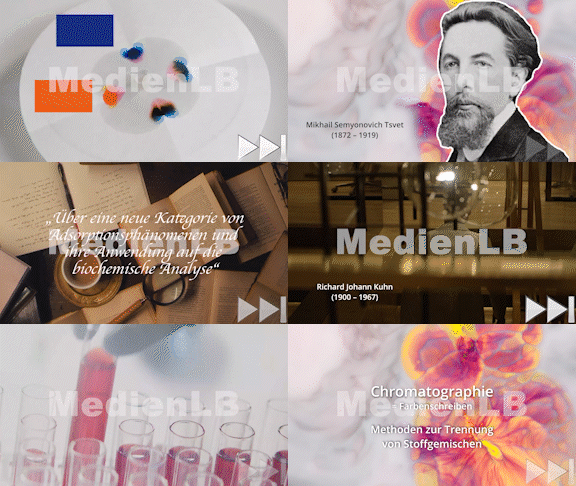
Dünnschichtchromatographie
Chromatografische Verfahren sind physikalische / chemische Trenntechniken von Stoffen.
Learn more
Lerneinheit Chemie 8 – Kalk
In unserem Arbeitsheft „Lerneinheit Chemie 8 – Kalk“ finden Sie 10 interaktive und didaktisch aufbereitete Aufgaben zum Thema Kalk.

Carbohydrates
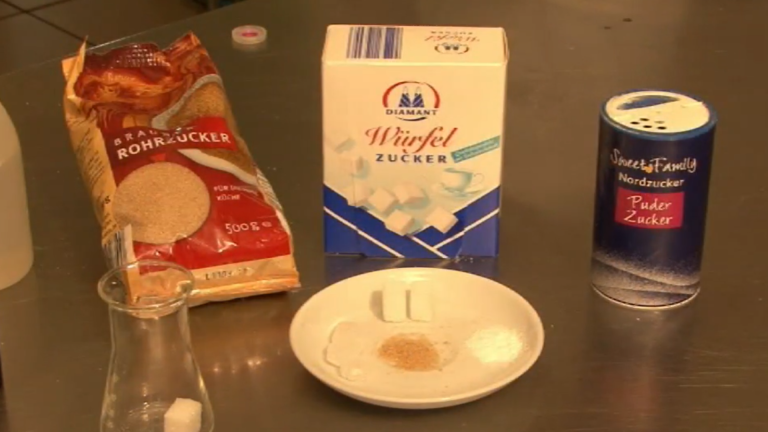
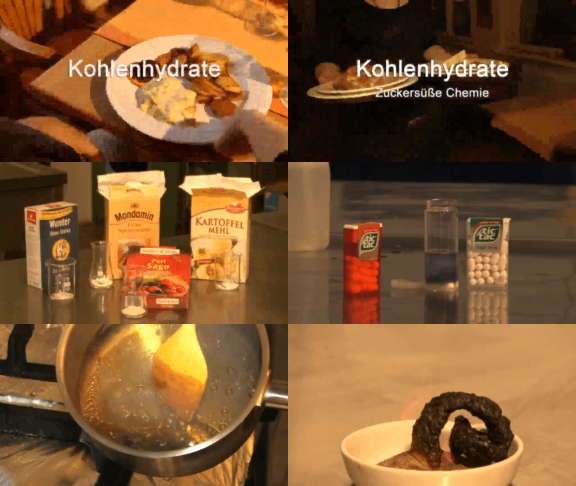
The term carbohydrate or saccharide is a collective name for all substances with the chemical formula Cn(H2O)n. Carbohydrates are the basis of nutrition. They are part of our diet as starch, glucose (grape sugar), fructose (fruit sugar), lactose (milk sugar) and saccharose (beet, cane or table sugar). Important suppliers of carbohydrates are potatoes and cereals such as rice, wheat, maize, millet, rye and oats. The various carbohydrates in our foods are introduced to the pupils. The characteristics of polysaccharides, disaccharides and monosaccharides are explained to them and in which foods these substances occur and how they are structured. In addition, the different origins of starch, starch degradation products, gelling agents as well as sugar alcohols in confectionery are dealt with. The DVD shows how various substances can be detected with the help of chemical processes. Together with the extensive accompanying material the DVD is ideally suited for use in the classroom.
Learn more
MedienLB has been producing award-winning school films and interactive modules for the classroom since 2006.
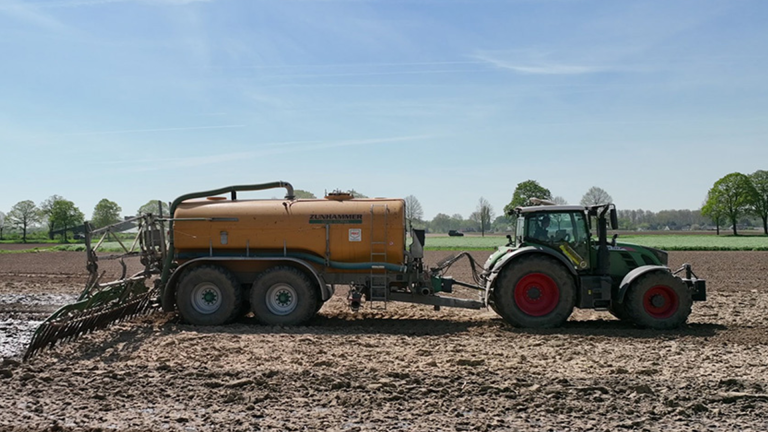
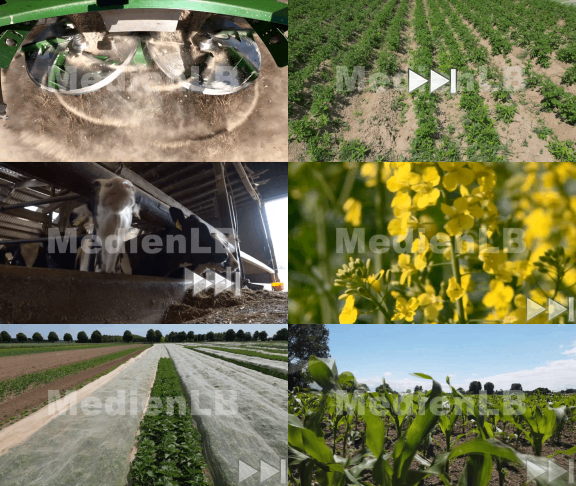
Düngemittel
Pflanzen benötigen für ihr Wachstum, Licht, Wasser und Nährstoffe. Den Ausgleich für nicht vorhandene Nährstoffe schaffen Düngemittel. Doch welche Düngemittel gibt es? Welcher Dünger eignet sich für welchen Boden? Welche Konsequenzen bringt die Düngung mit sich?
Learn more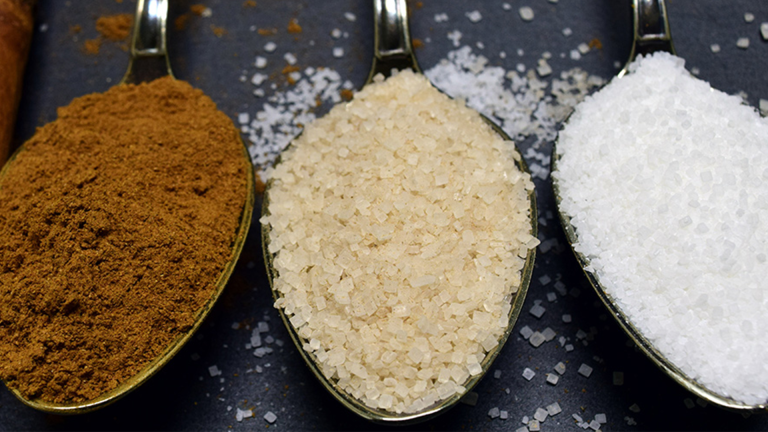

Solutions, Emulsions and Mixtures of Substances
Be it milk in a cereal bowl, tea in a glass or the air around us. We constantly come across mixtures of substances in our everyday lives. As the name suggests, they are mixtures – mixtures of several so-called pure substances.
Learn more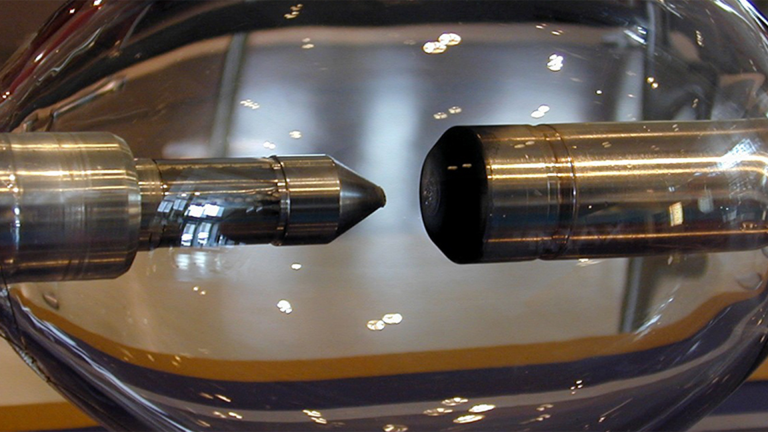
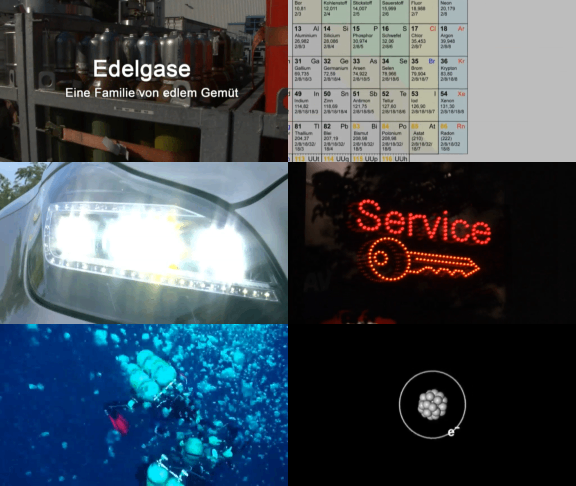
Noble Gases
Xenon, Helium, Neon, Argon, Krypton and the radioactive Radon belong to the noble gases. These form the family of noble gases as the elements of the eighth group of the periodic table. All of them are colourless and odourless, non-inflammable and non-toxic. Their most striking chemical property is their inertness. This can be explained by their electron arrangement, termed noble gas configuration and represents a particularly stable and therefore low-energy state. The noble gases are to be found in scant amounts in our air from which they are also distilled. Helium is mainly extracted from natural gas. In everyday life, we encounter noble gases for example as shielding, filling or buoyant gases and in fluorescent tubes. The shell model describes the structure of the atoms. It is based on the distribution of electrons in restricted areas at a fixed distance around the core of the atom.
Learn more