







 Chemistry

4662230 / 5552807
Basics of Chemistry I
Examining and Measuring Substances
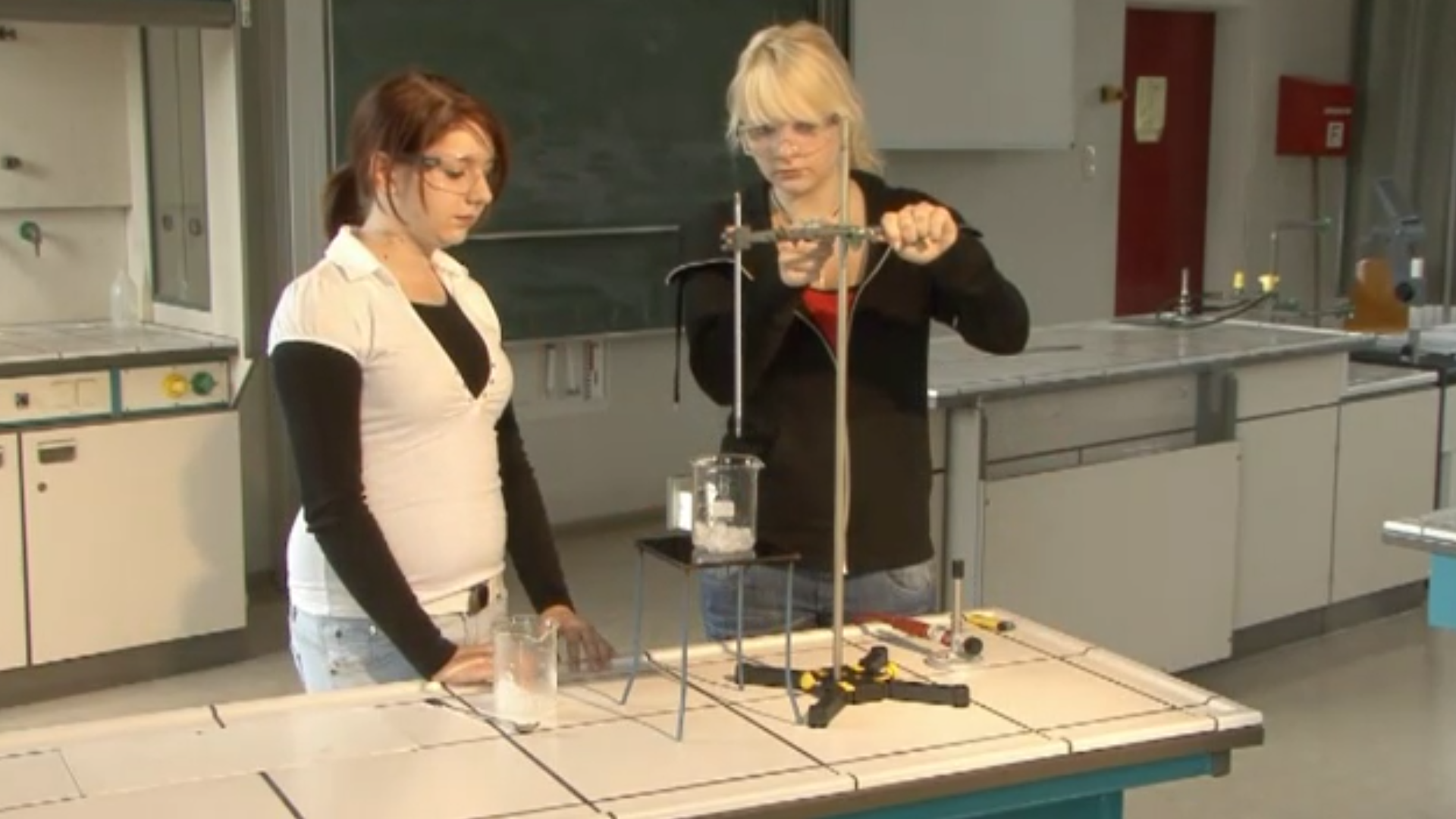
We are surrounded by objects and substances. We recognise objects that are to serve a specific purpose by their shapes. Similar objects may consist of different materials or substances. Substances, however, are independent of shapes and possess very specific properties. We are able to perceive many of these substances with our senses. For example, we can see, touch or smell them so as to be able to recognise them. Chemists are particularly interested in those substance characteristics that can be measured. On the basis of these measurable properties they can distinguish between substances, identify a specific substance or test it for special use. Models help us to understand phenomena. They depict only specific elements of our reality, thus presenting the world in a simplified way. The spherical particle model, for example, helps us to understand how a scent spreads all over the room or substances disperse in water.
Play trailer
- <> Languages : DE, EN, TR
- <> Target Groups : Sek I
- <> Subject : Chemistry
- <> Length : 21:56 min
- View in learning platform
Licenses
Curriculum-centred and oriented towards educational standards
Matching
Seal of approval
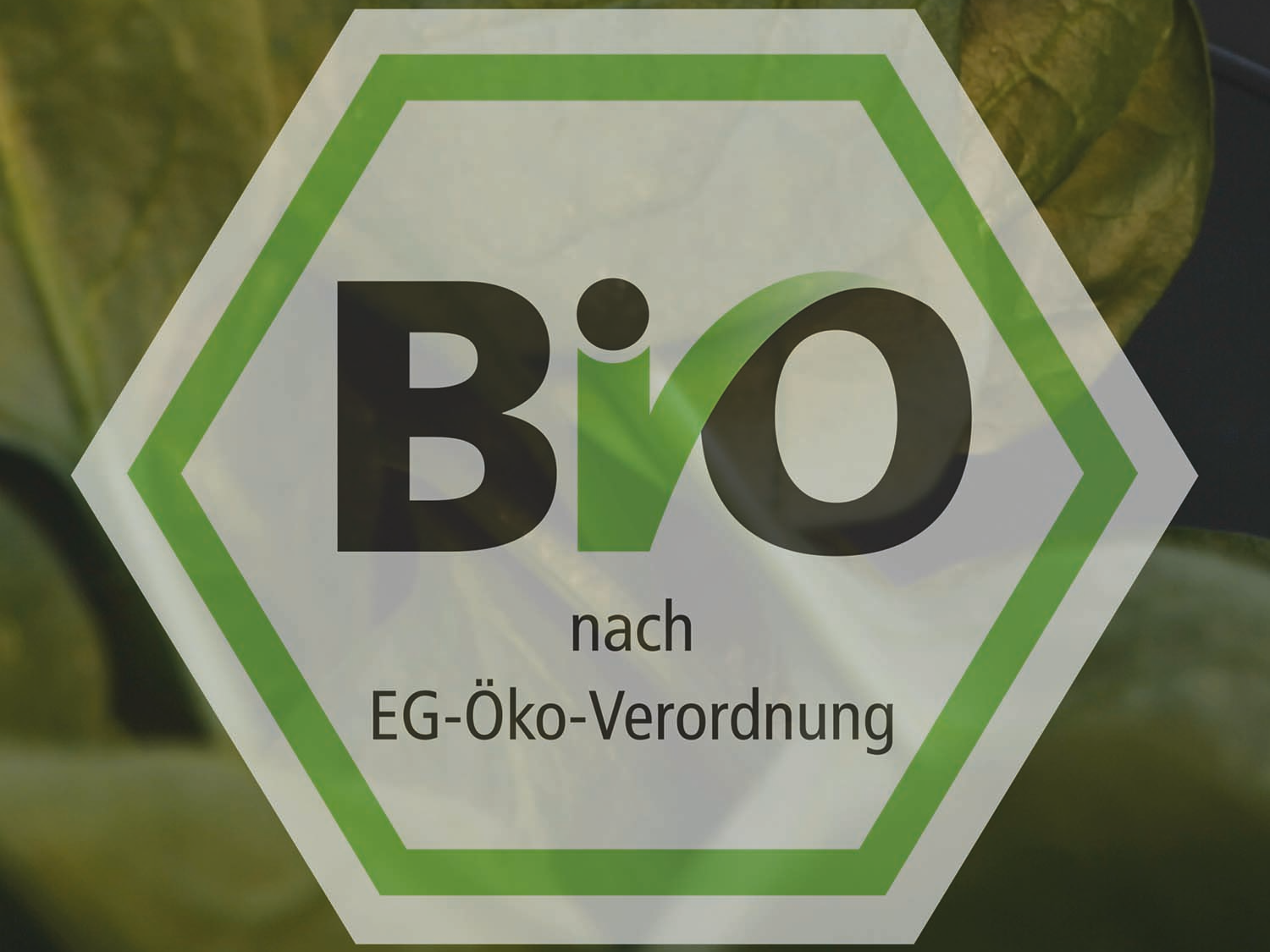
Quality seals such as the "Bio-Siegel", "Blauer Engel", "Stiftung Warentest" and up to 1,000 other seals represent characteristics such as sustainability, health or safety with regard to a product, a service or even a company.
The Daily Newspaper
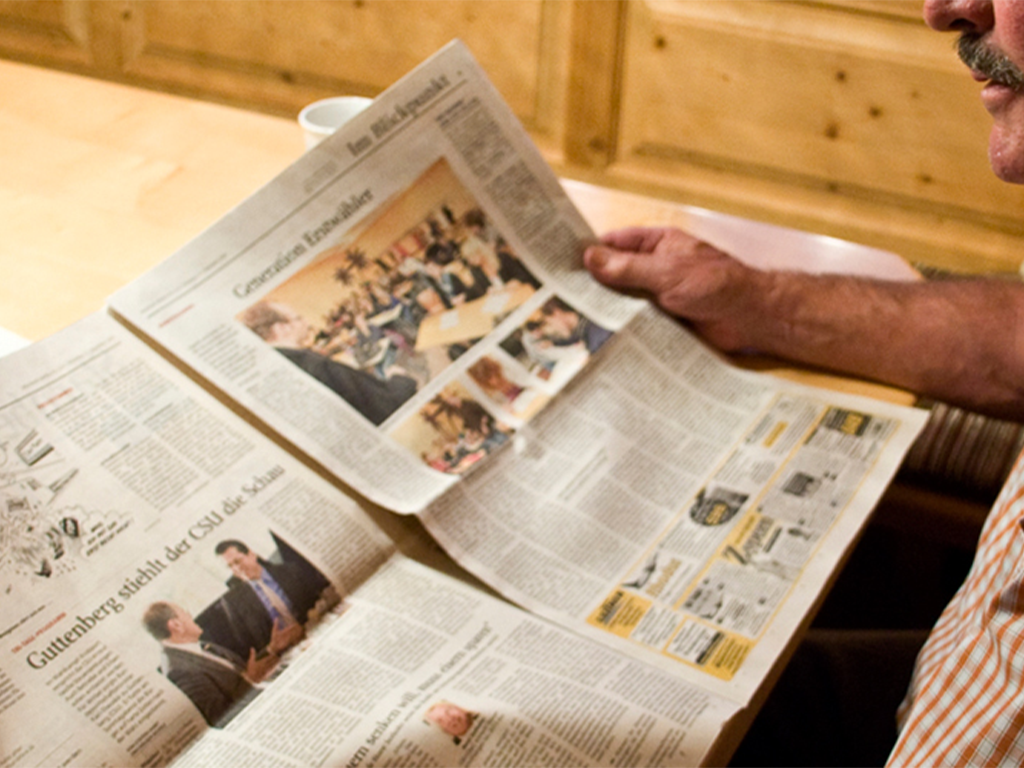
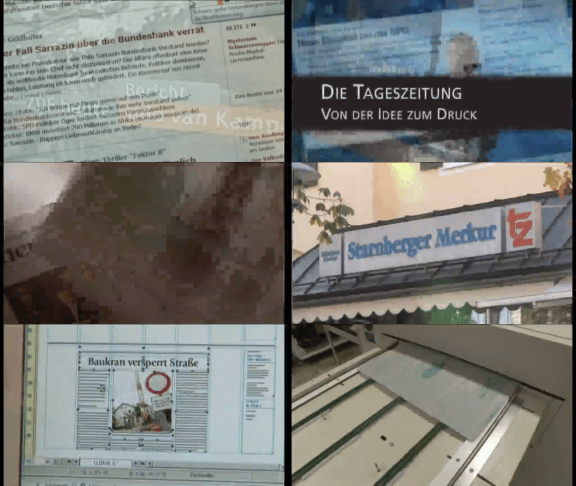
Every day, there is a surge of news reaching us via different news channels. In spite of TV and Internet, the daily paper still is one of the most important main sources of news. But how is a newspaper created? The film shows the production of a paper in the course of one day. Starting with the editorial meeting in the morning, in which the topics and deadlines are determined, the film accompanies a journalist during her research work. You can see how a journalistic interview is conducted and what the photographer must consider when taking a press photo. Back in the editorial office, the editor’s work is illustrated, which includes the page layout and the writing of an online article in today’s time. Impressive pictures from the printing centre depict the process from the digital page to the finished newspaper. Together with the comprehensive accompanying material, the DVD is perfectly suited for use at school
Part Time Kings
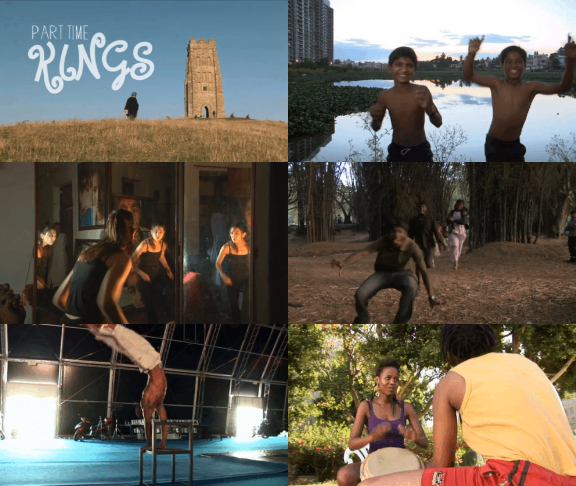
Your children are not your children