







 Primary School

4657335 / 5551525
Wood/Paper/Recycling
Environmental Education
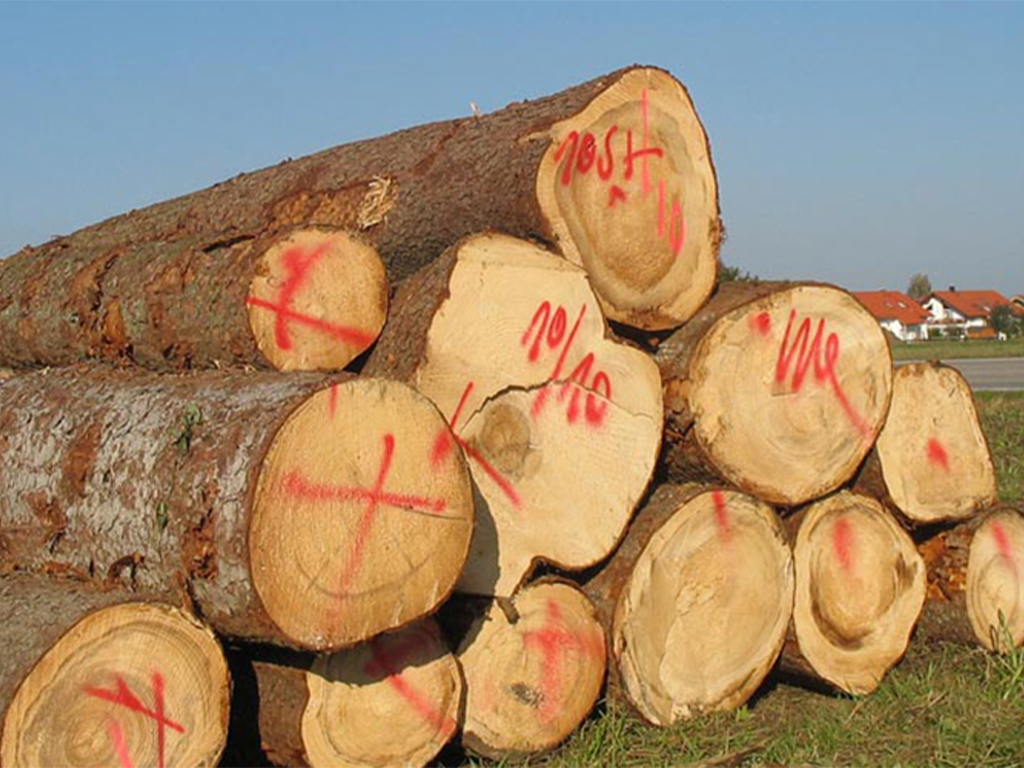
The DVD “Wood/Paper/Recycling” provides information on the treatment and processing of wood. The production of paper, an everyday item in our lives, as well as the recycling process are explained to the primary school pupils in a simplified way. The film is also excellently suited for environmental education. The following topics in the subject area of wood, paper and recycling are covered in this DVD: • Wood – a Natural Resource (appearance, properties; types of wood) • At the Sawmill (treatment and processing methods with state-of-the-art machinery) • Paper (everyday use, papermaking, types of paper, properties) • Recycling (waste paper as an important material for the recycling of used paper, recycling technique) • Environmental Protection (conservation of trees, recycling of waste paper)
Play trailer
- <> Languages : DE, EN, TR
- <> Target Groups : FÖ, GRU, Sek I
- <> Subject : Primary School
- <> Length : 22:35 min
- View in learning platform
Licenses
Curriculum-centred and oriented towards educational standards
Matching
Part Time Kings
Your children are not your children
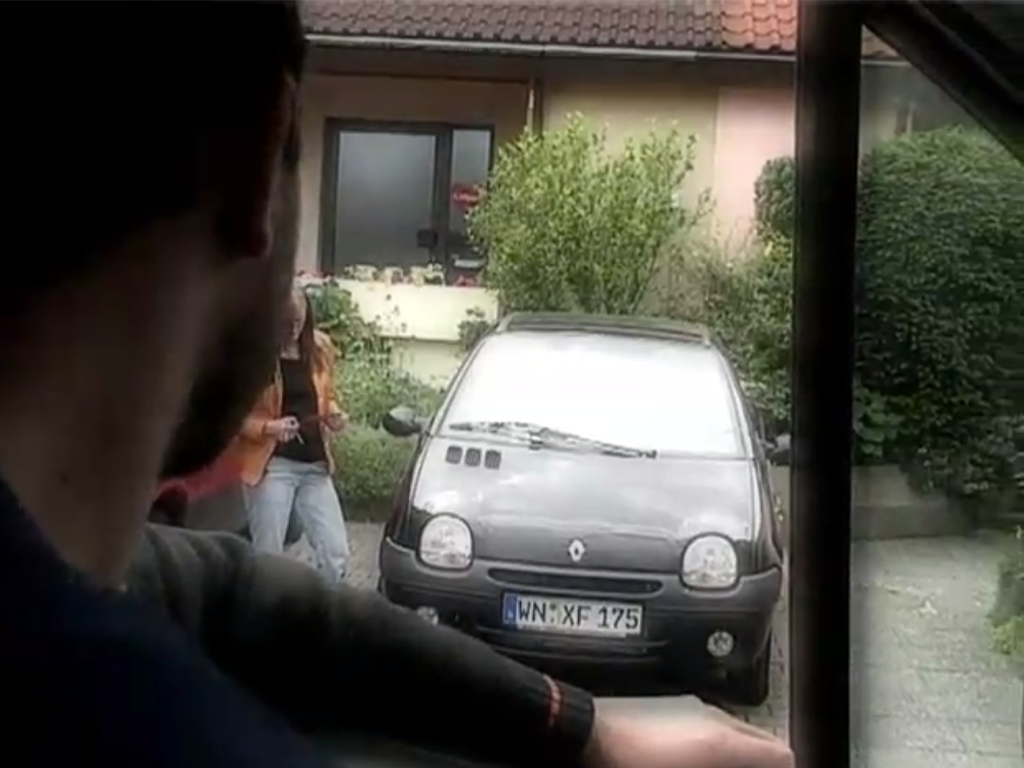
Stalking
n Germany, 12 % of all federal citizens are pursued by a stalker once in their lives. And not only celebrities are among their victims! Everyone may be confronted with such a situation.
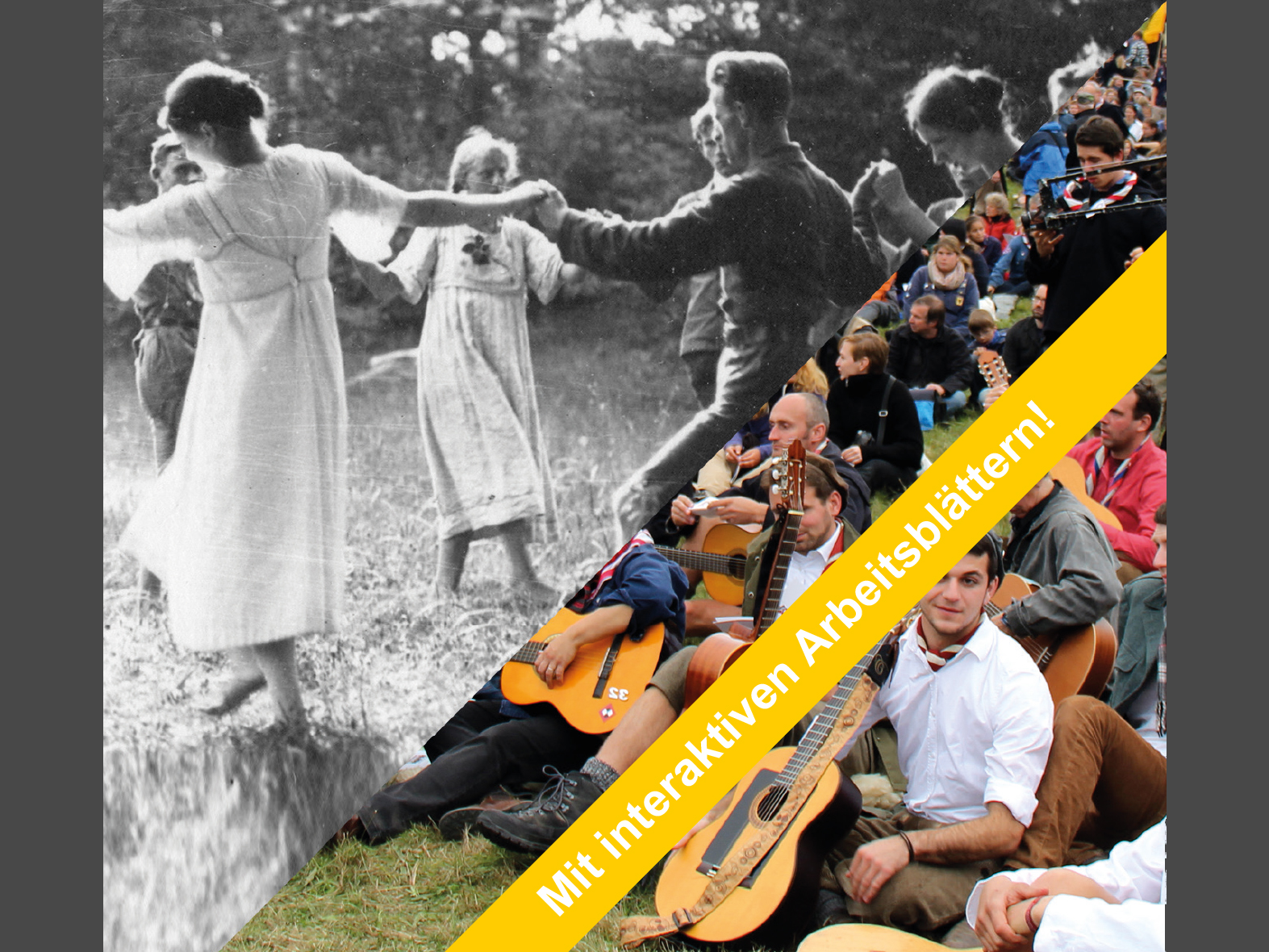
Youth Movement
Dancing until your feet hurt: Here, at the meeting on the Hoher Meissner near Kassel, 3,500 participants from Boy Scout associations, youth and Wandervogel groups from all over the German-speaking region have gathered. They want to celebrate, simply get to know each other and commemorate a historic anniversary.