







 German

4679010 / 5565771
Theatre
Effects with Language, Light and Scenery
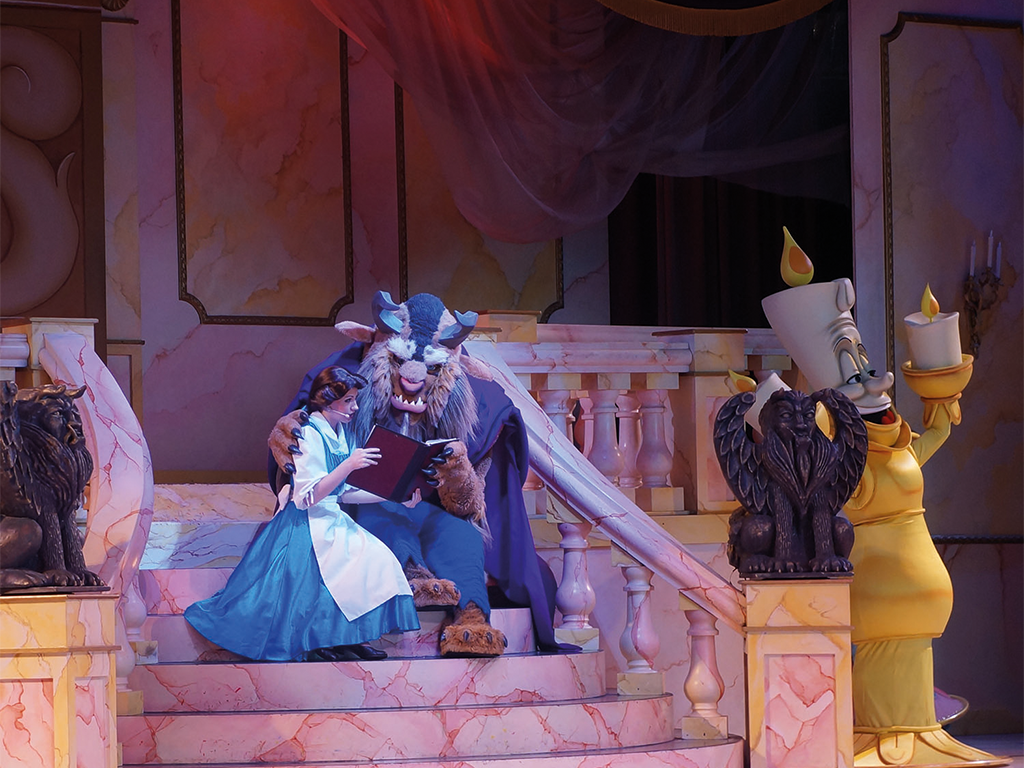
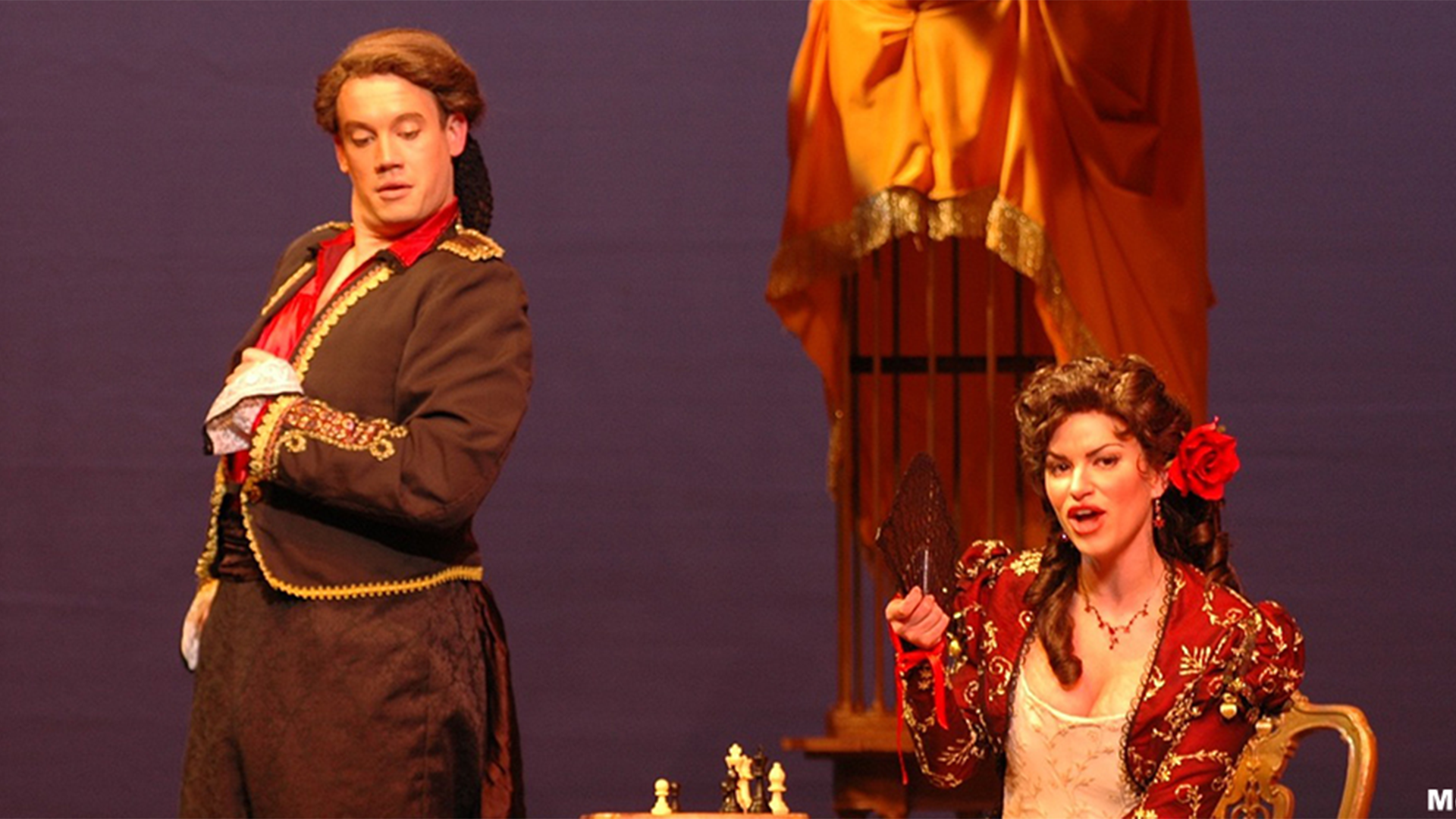
The Munich Kammerspiele, commissioned by the Riemerschmid family as a new theatre in the city of Munich in 1899.
The word “theatre” originates from the Ancient Greek théatron and means “a place for viewing”. The art form of theatre dates back to Ancient Greece. In honour of the god Dionysus, pieces were performed, which also involved discussions, decisions and thus politics.
Theatre used to play an important part. Elke Bauer, head of “Kammer4you”, the office informing on the art form of theatre, explains how this worked.
Original soundtrack Elke Bauer:
“With the Dionysia in Ancient Greece, and also with the theatre as we know it today, it is always about people watching other people live. This means, in the theatre stories are told, in which people try to cope with themselves, with other people, with the world. And for the audience, it is always about gaining new perspectives, new ideas for their relationships with others.”
Thus, theatre opened up new perspectives that were then taken up in politics and in everyday life.
- <> Languages : DE, EN
- <> Target Groups : GRU, Sek I
- <> Subject : German
- <> Length : 25:07 min
- View in learning platform
Licenses
Curriculum-centred and oriented towards educational standards
Matching
Ceramic
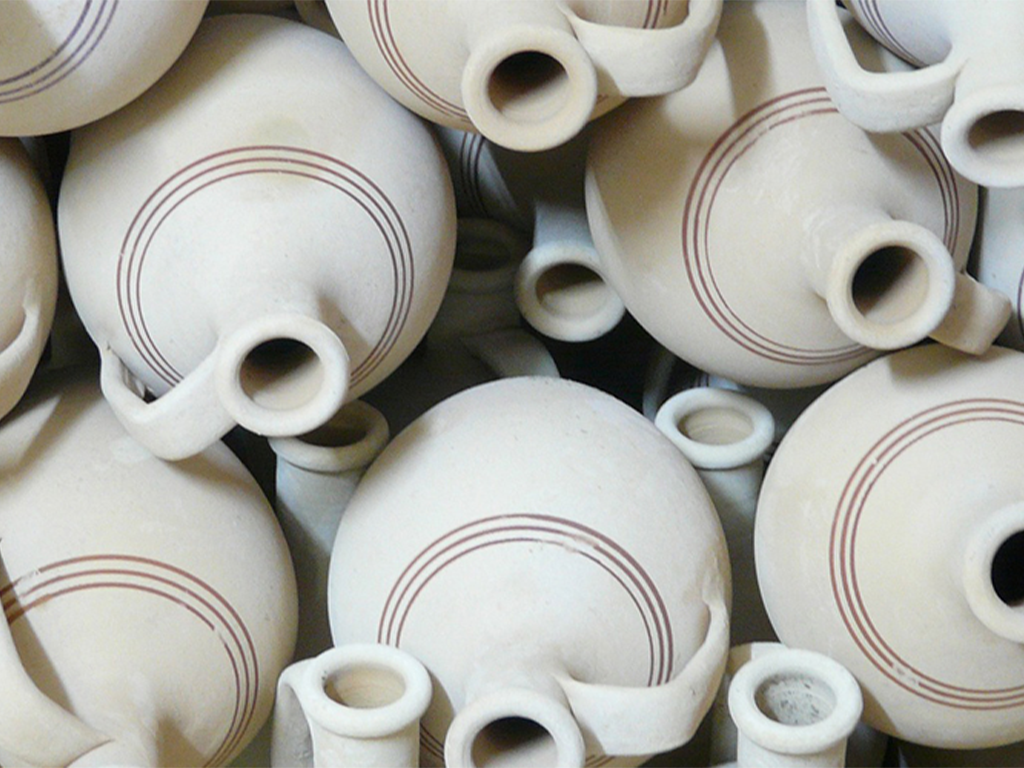
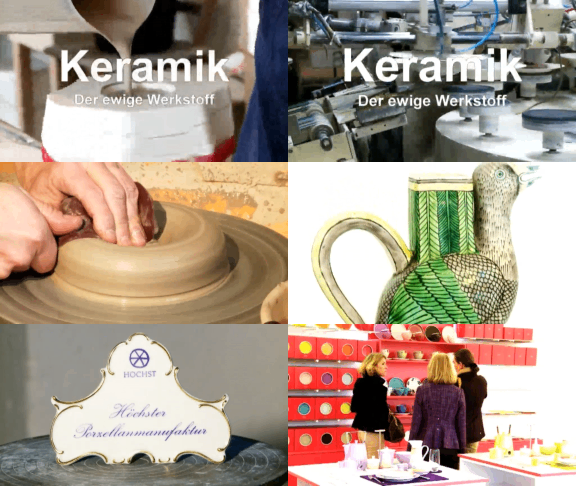
Ceramics are indispensable in our everyday lives. We eat from ceramic plates, drink from ceramic cups, use tiled ceramic bathrooms. But how is ceramic manufactured? The film reveals the secrets of this fascinating material! We get to know more about the beginnings of ceramic in the Old World of Egypt and Mesopotamia, about Greece, China and Rome. We gain interesting insights into the valuable earthenware and are also shown the exquisite further development of the "white gold". Today this versatile material is irreplaceable in industry, too. Whether in space or as an easily compatible substitute in medicine, ceramic is applied in many places.
Tolerance
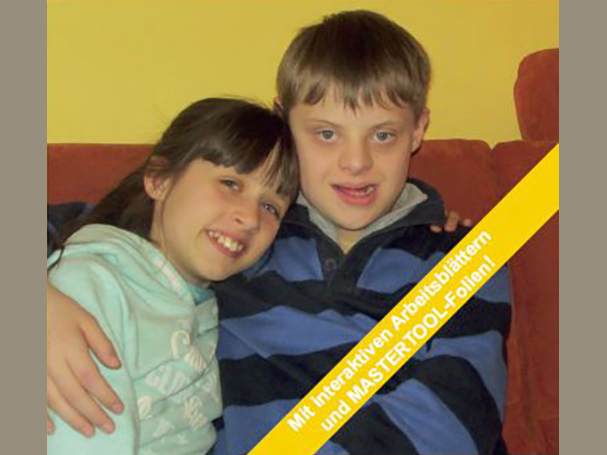
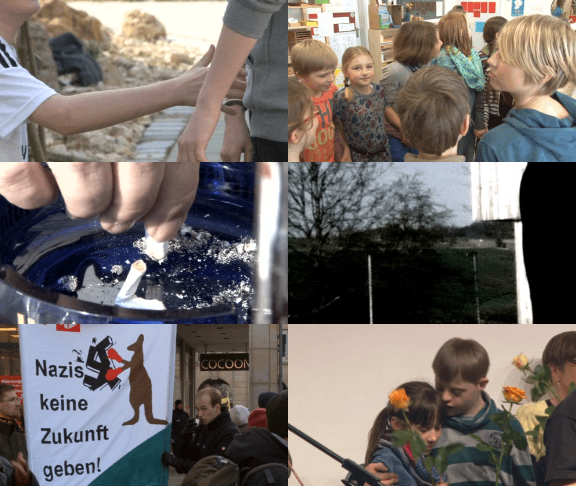
“Tolerance means being generous and kind to other people and helping them, too.”

Computer Games
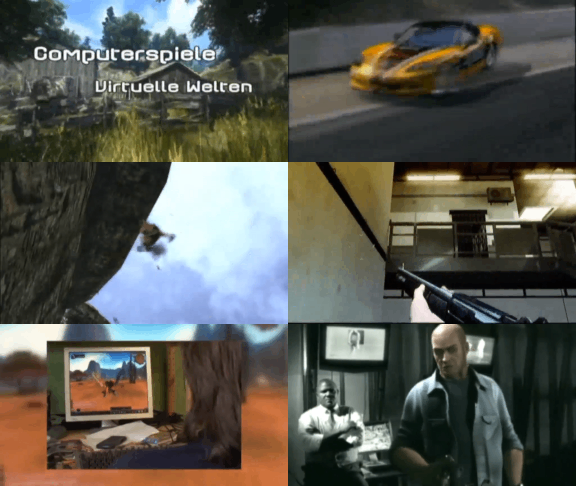
This film covers the topic of computer games in a variety of ways and from many different angles. Apart from the fascina- tion of computer games for users, the historical development as well as the production of computer games are described. The established genres are introduced, the guidelines of the German BPjM are explained. In light of recent public discussions, a neutral overview of the pros and cons of playing computer games is given, and different kinds of player behaviour are outlined. In this film, the pupils will recognise many aspects of their favourite pastime that encourage an independent, constructive use of this medium and reinforce their media competency. The film and teaching material are very closely related to the real-life situation.