







 Society, Technology
4673689 / 5562376
Junge Erfinder
Eigene Ideen umsetzen
Erfindungen begleiten uns täglich. Viele dieser revolutionären Erfindungen nehmen wir gar nicht mehr wahr in unserem Alltag. Doch ohne sie müssten wir in dunklen Höhlen sitzen und zu Fuß die Welt erkunden. Erfindungen haben uns und unser Umfeld nachhaltig verändert.
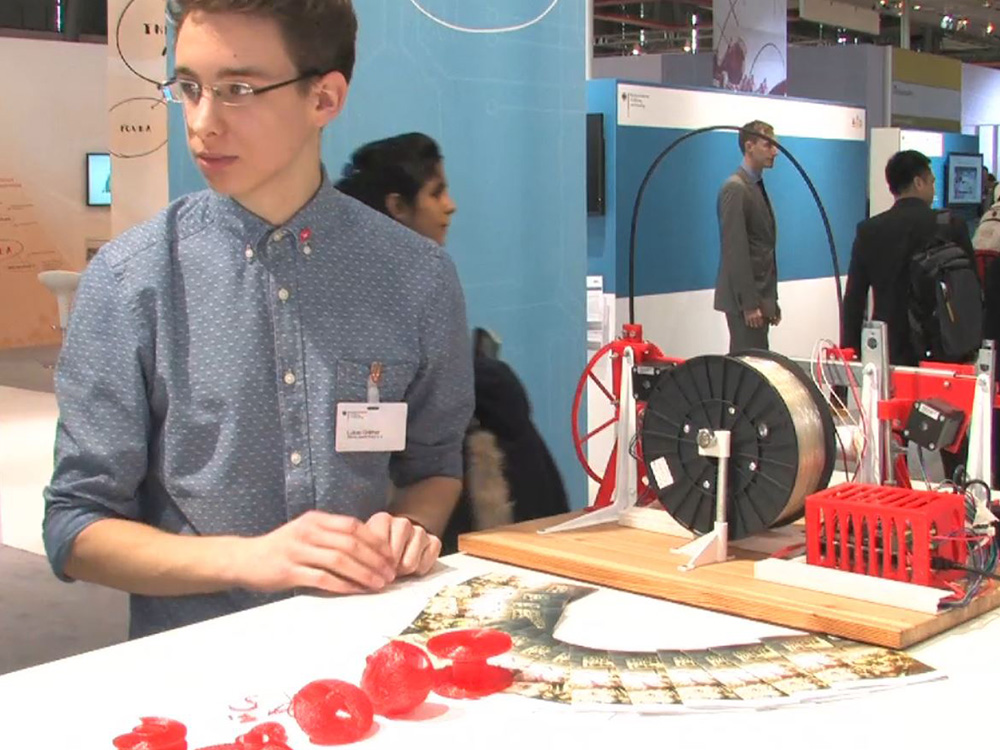
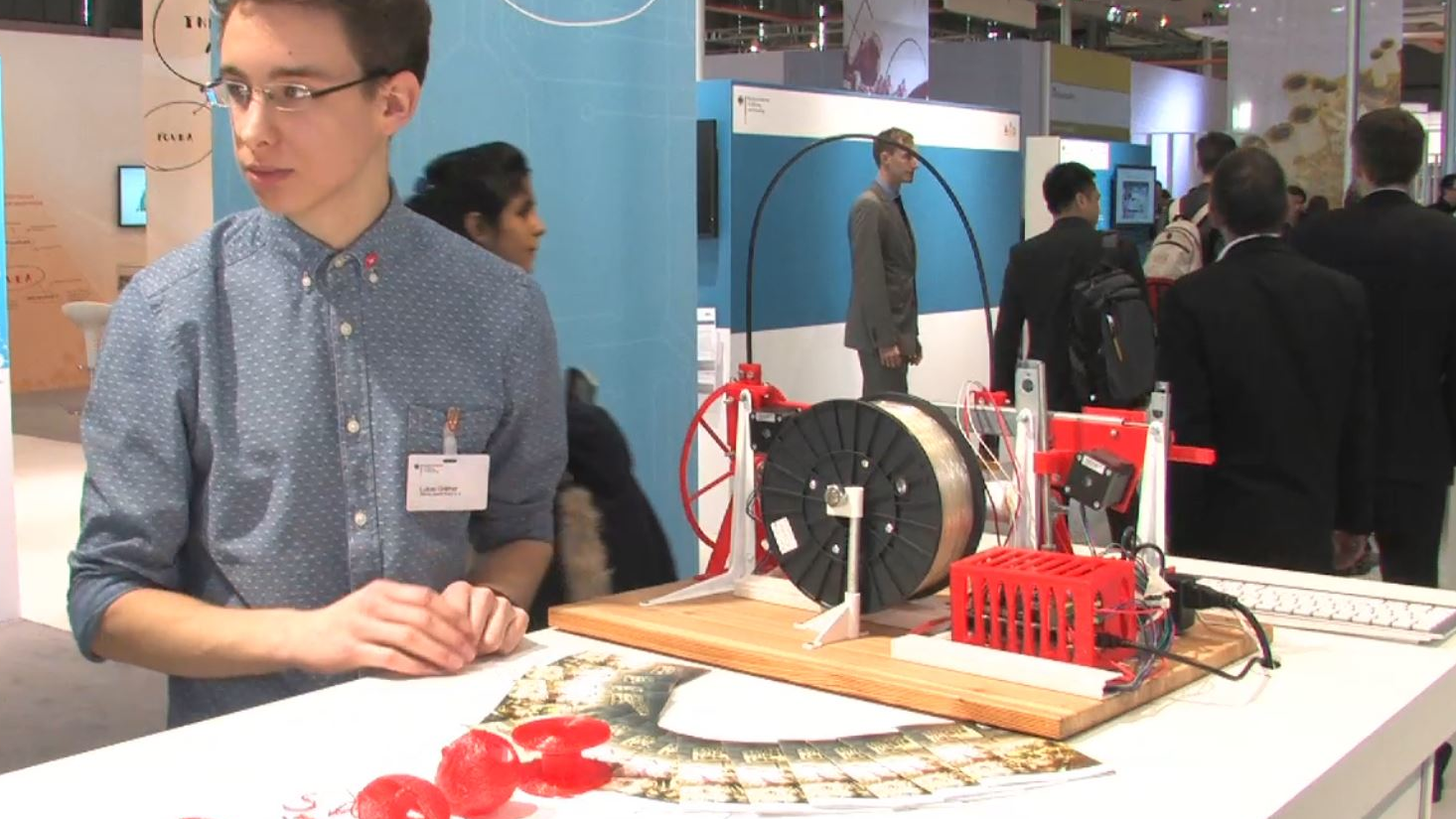
Doch was macht eine neue Idee eigentlich zur Erfindung? Und wodurch zeichnet sich ein wahrer Erfinder aus? Der Film geht dieser Frage nach und sammelt die Eindrücke vieler junger Nachwuchs-Tüftler. Dabei geben diese uns einen Einblick in ihre Denkweise und jeweiligen Forschungsprojekte, mit denen sie auf Nachwuchswettbewerben wie „Jugend forscht“ um die Aufmerksamkeit und schließlich Unterstützung von Investoren buhlen.
Das öffentliche Interesse an diesen Wettbewerben ist groß, wie nicht zuletzt die Bundes-ministerin für Bildung und Forschung, Prof. Dr. Johanna Wanka, betont. Im Anschluss befasst sich der Film mit der Markteinführung und dem Patentschutz neu entwickelter Erfindungen.
Gemeinsam mit dem umfangreichen Unterrichtsmaterial (klassische und interaktive Arbeitsblätter, Testaufgaben, Lehrtexte etc.) ist der Film sehr gut für den Einsatz im Unterricht geeignet.
Curriculum-centred and oriented towards educational standards
Matching




Wegwerfgesellschaft
Der Müllberg wächst Jahr für Jahr. Das liegt zum Einen daran, dass die Verpackungen aufwändiger werden, zum Anderen an den extrem kostengünstig produzierten Konsumgütern, die häufig einen Neukauf lohnender als eine Reparatur machen.


Gedenk- und Feiertage
Feiertage gibt es in allen Kulturen. Es sind Festtage mit entweder gesellschaftlichem, religiösem oder politischen Hintergrund. Diese Feiertage finden jährlich an einem festgelegten Tag statt. In Deutschland gibt es Feiertage, an denen flächendeckend nicht gearbeitet wird. Hierbei handelt es sich um gesetzliche Feiertage. Bei anderen Feiertagen, meist mit religiösem Hintergrund, entscheiden die Bundesländer individuell, ob es sich um einen tatsächlich arbeitsfreien Tag handelt. Im Film beschrieben werden nicht nur Feiertage in Deutschland, sondern auch z.B. islamische Feiertage, oder der Christopher Street Day als politisches Statement.