






 Society

4677311 / 5564519
Fleisch vom Discounter
Wo kommt es her?
Fleisch in deutschen Discountern – so günstig wie nirgendwo in Europa.
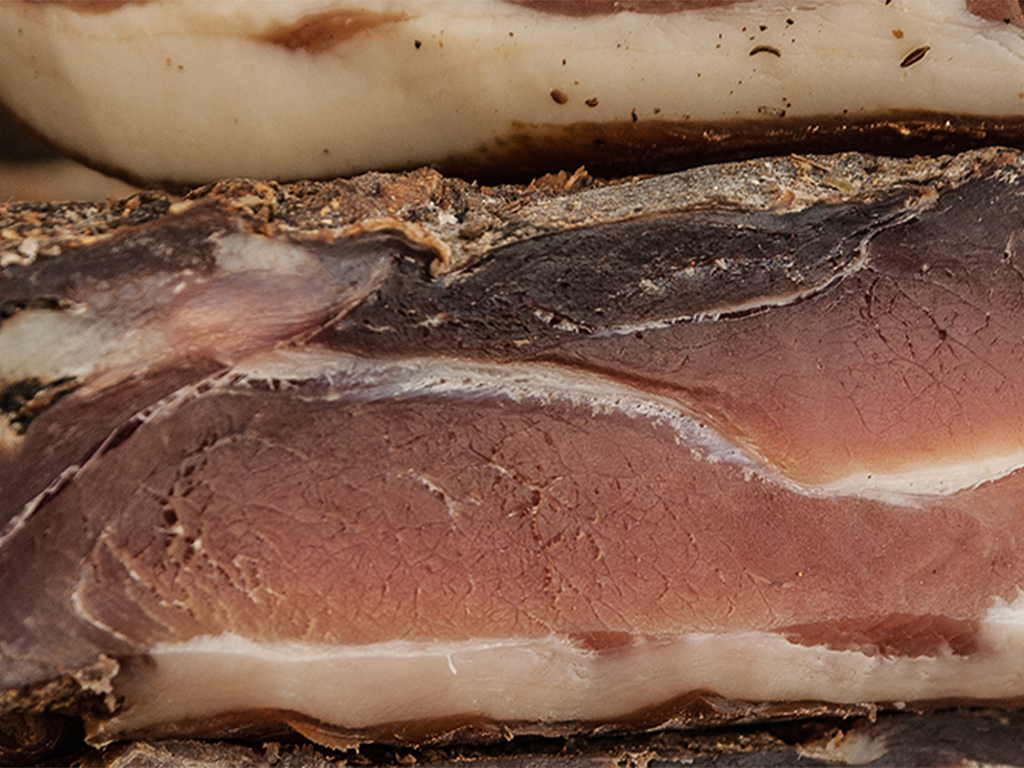
“Gutes Fleisch erkennt man an der Vielfalt“ – wird hier versprochen. Das Angebot ist tatsächlich riesig und alles soll frisch sein. Vom Rumpsteak über das Filet vom deutschen Jungbullen bis hin zum Hackfleisch ─ ob Bio oder konventionell. Und das alles zu so niedrigen Preisen, dass man sich fragen könnte: Wo kommt das Fleisch eigentlich her? Zum Beispiel das Hackfleisch für 2,19 Euro und die Minutensteaks für 2,69 Euro. Laut Discounter soll das nachvollziehbar sein: Schlachtdatum, Ort der Herstellung und woher die Tiere stammen. Und genau das wollen wir herausfinden. Von welchen Bauernhöfen kommen die im Film gezeigten Minutensteaks und das Hackfleisch? Mit einer Smartphone-App soll der Kunde das erfahren können. Wir scannen zuerst den Code auf der Packung “Minutensteaks“ und bekommen eine Liste von fünf Städten in Deutschland. Erstaunlich … kommt etwa jede einzelne Scheibe Steak von einem anderen Bauernhof? Ein Reporter begibt sich auf eine gar nicht ganz so einfache Spurensuche. Dabei lernen wir Produktionsmethoden, Preise und Qualität kennen.
Gemeinsam mit dem sehr umfangreichen Unterrichtsmaterial (klassische und interaktive Arbeitsblätter und Testaufgaben) ist der Unterrichtsfilm sehr gut für den Einsatz im Unterricht geeignet.
Play trailer
- <> Languages : DE
- <> Target Groups : GRU, Sek I
- <> Subject : Society
- <> Length : 18:00 min
- View in learning platform
Licenses
Curriculum-centred and oriented towards educational standards
Matching


Geschlechteridentität
Teil des Erwachsenwerdens ist es, seine eigene Identität zu finden. Für manche wird diese Identitätsfindung erschwert, weil das körperliche Geschlecht nicht mit dem empfundenen Geschlecht übereinstimmt.
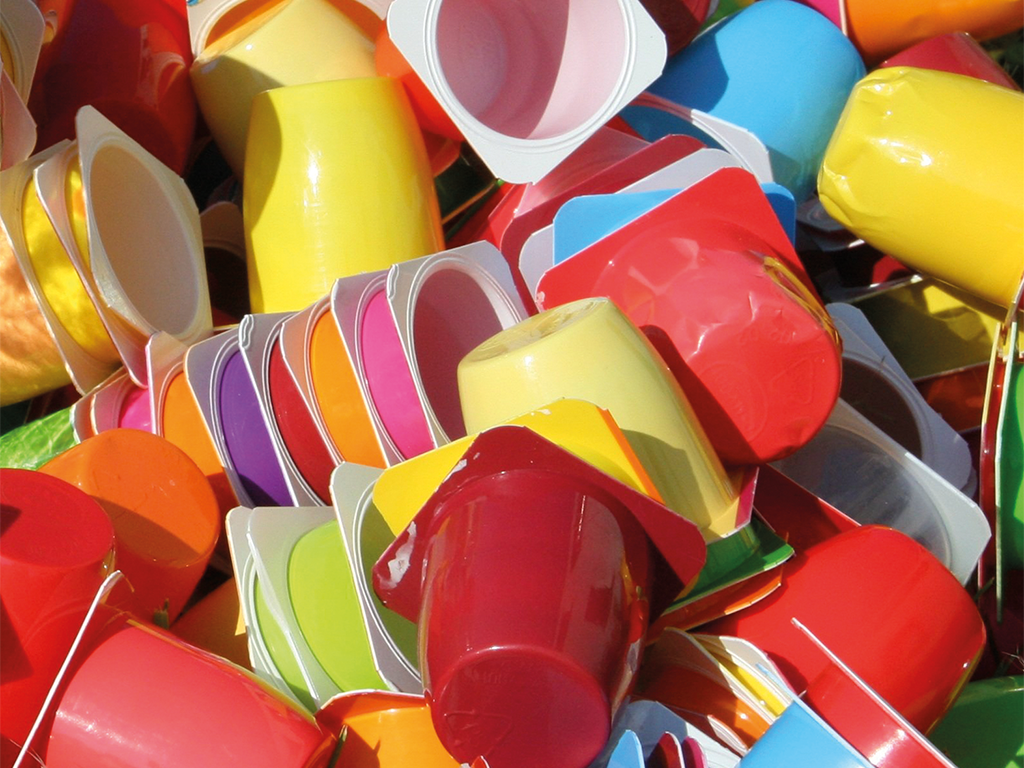
Plastik in unserem Alltag
Plastik hat sich in den vergangenen Jahrzehnten in unserer Umgebung stark ausgebreitet. So stark, dass wir es mit der Nahrung aufnehmen und es sich bereits im Urin von Kindergartenkindern nachweisen lässt.