







 Gesellschaft

4677311 / 5564519
Fleisch vom Discounter
Wo kommt es her?
Fleisch in deutschen Discountern – so günstig wie nirgendwo in Europa.
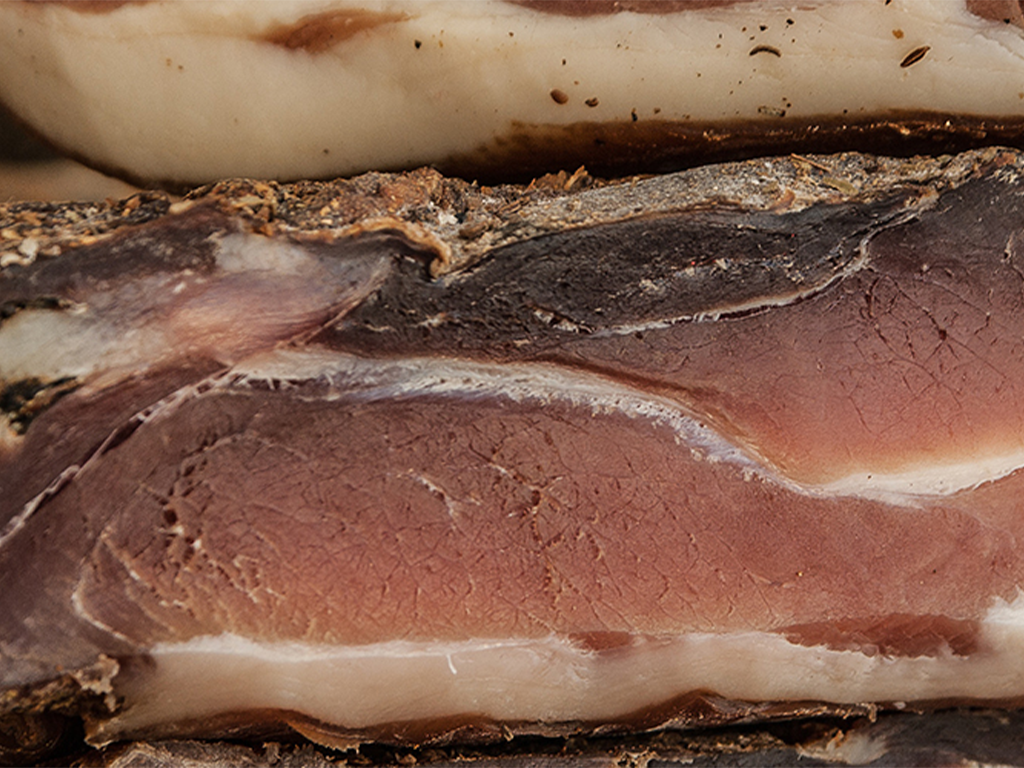
„Gutes Fleisch erkennt man an der Vielfalt“ – wird hier versprochen. Das Angebot ist tatsächlich riesig und alles soll frisch sein. Vom Rumpsteak über das Filet vom deutschen Jungbullen bis hin zum Hackfleisch ─ ob Bio oder konventionell. Und das alles zu so niedrigen Preisen, dass man sich fragen könnte: Wo kommt das Fleisch eigentlich her? Zum Beispiel das Hackfleisch für 2,19 Euro und die Minutensteaks für 2,69 Euro. Laut Discounter soll das nachvollziehbar sein: Schlachtdatum, Ort der Herstellung und woher die Tiere stammen. Und genau das wollen wir herausfinden. Von welchen Bauernhöfen kommen die im Film gezeigten Minutensteaks und das Hackfleisch? Mit einer Smartphone-App soll der Kunde das erfahren können. Wir scannen zuerst den Code auf der Packung „Minutensteaks“ und bekommen eine Liste von fünf Städten in Deutschland. Erstaunlich … kommt etwa jede einzelne Scheibe Steak von einem anderen Bauernhof? Ein Reporter begibt sich auf eine gar nicht ganz so einfache Spurensuche. Dabei lernen wir Produktionsmethoden, Preise und Qualität kennen.
Gemeinsam mit dem sehr umfangreichen Unterrichtsmaterial (klassische und interaktive Arbeitsblätter und Testaufgaben) ist der Unterrichtsfilm sehr gut für den Einsatz im Unterricht geeignet.
Trailer abspielen
- <> Sprachen : DE
- <> Zielgruppen : GRU, Sek I
- <> Fach : Gesellschaft
- <> Spieldauer : 18:00 min
- In Lehrmediathek ansehen
Lizenzen

Lehrplanzentral und an den Bildungsstandards orientiert
Passend dazu
Pupils Practise Inclusion
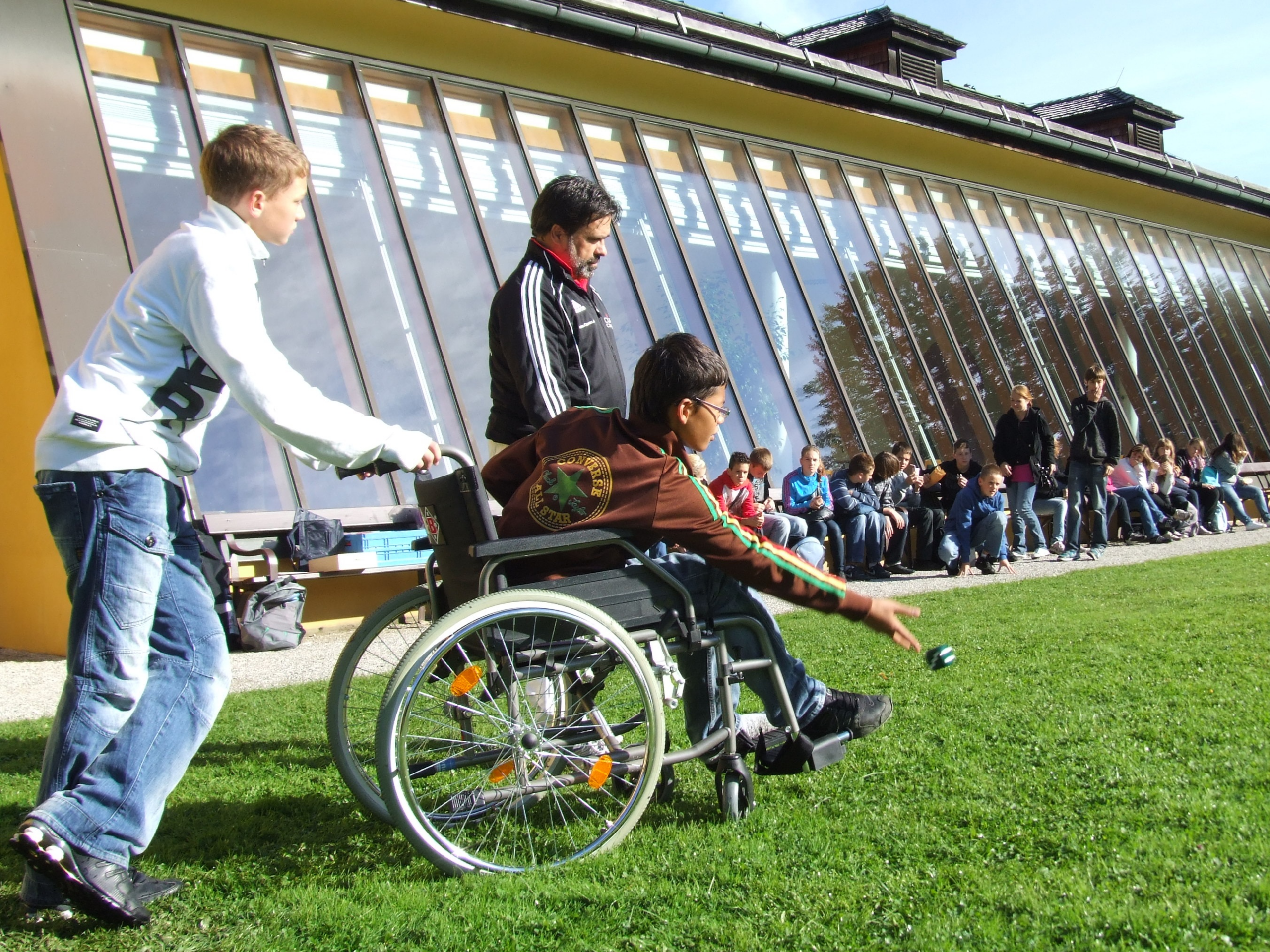
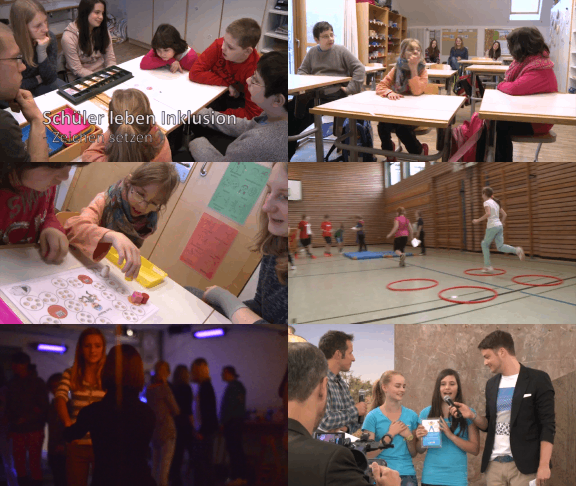
When people come together, no matter under what concomitant circumstances – ultimately, it is about how these people meet and how openly they interact with one another.
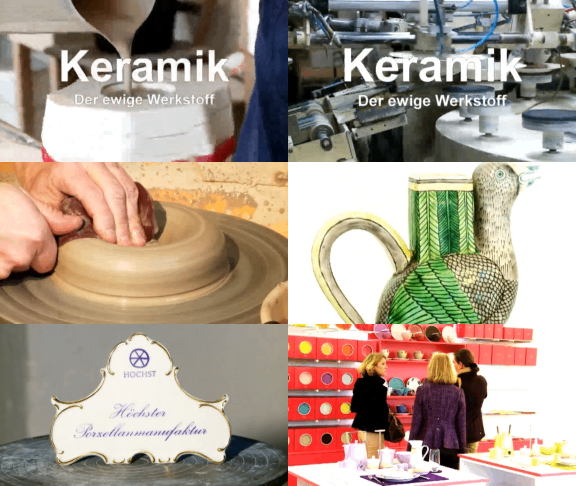
Ceramic
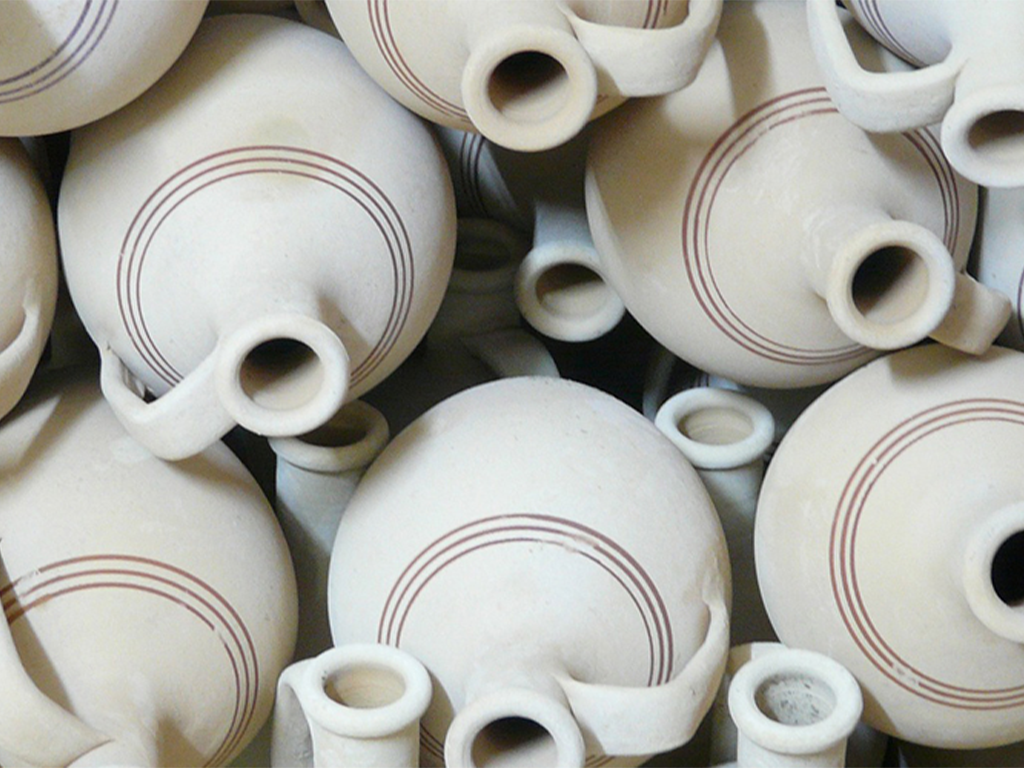
Ceramics are indispensable in our everyday lives. We eat from ceramic plates, drink from ceramic cups, use tiled ceramic bathrooms. But how is ceramic manufactured? The film reveals the secrets of this fascinating material! We get to know more about the beginnings of ceramic in the Old World of Egypt and Mesopotamia, about Greece, China and Rome. We gain interesting insights into the valuable earthenware and are also shown the exquisite further development of the "white gold". Today this versatile material is irreplaceable in industry, too. Whether in space or as an easily compatible substitute in medicine, ceramic is applied in many places.


Internet Addiction
The film consists of two parts. The first part is the 15-minute short film “In the Net”. It describes the problem of excessive Internet use in a humorous way, in particular the risk of losing touch with reality when chatting. The second part illustrates with three real persons how Internet addiction can develop and the problems encountered by those who are afflicted. The authentic statements are commented by an experienced therapist. For many pupils, the issues addressed here are related to their everyday lives. What is a “sensible” use of the Internet, where does pathological addiction start? In contrast to addiction to alcohol, nicotine or drugs, the public seems to be largely ignorant of the problem of this addiction, which is not related to any substance abuse. The film provides material for discussion in the classroom (crossdisciplinary) and can be used as a basis for the formulation of prevention strategies.
