






 Biology
46502612 / 55502243
Auge
Warum sehen wir
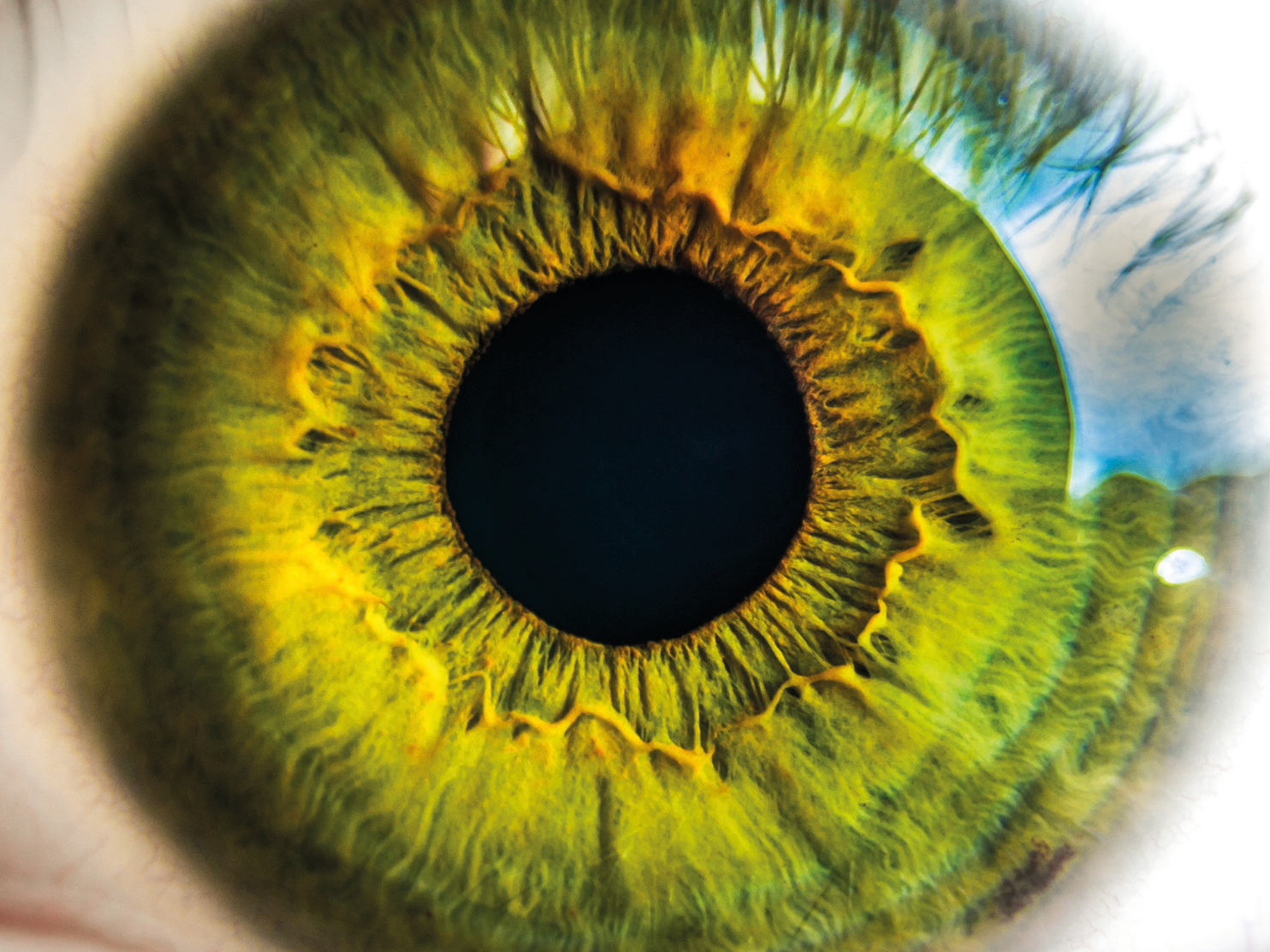
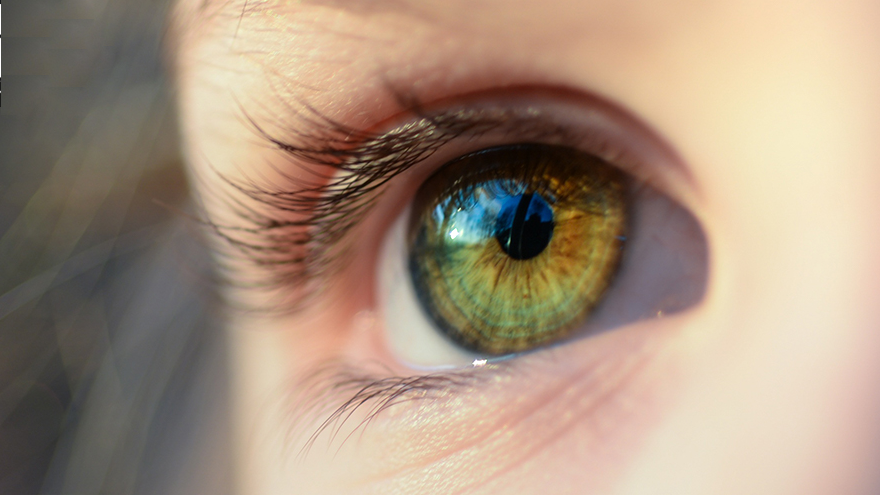
Die meisten der Informationen, die auf uns einströmen und einwirken, nehmen wir über unseren Sehsinn wahr. Was passiert in unseren Augen aber genau während des Sehvorgangs?
Der Film erklärt den Weg vom ins Auge treffende Licht bis zum Sinneseindruck durch unser Gehirn. Wie können wir räumlich sehen, wie Farbsehen?
Das menschliche Auge ist in der Funktionsweise einer Kamera ähnlich. Wir vergleichen die Linse des Auges mit denen optischer Linsen.
In Verbindung mit dem umfangreichen Zusatzmaterial (klassische und interaktive Arbeitsblätter, Testfragen, Glossar) lässt sich das Medium hervorragend im Unterricht verwenden.
Die interaktiven Aufgaben, die Testfragen und das Glossar wurden mit H5P erstellt und können ohne weitere Software verwendet werden.
Curriculum-centred and oriented towards educational standards
Matching


Wegwerfgesellschaft
Allein in Deutschland landen jedes Jahr elf Millionen Tonnen Lebensmittel im Müll. Würde man diese Menge Lebensmittelabfall in Lkws verladen, so ergäbe sich eine Lkw-Schlange, die von Berlin bis nach Peking reichen würde.

Gütesiegel
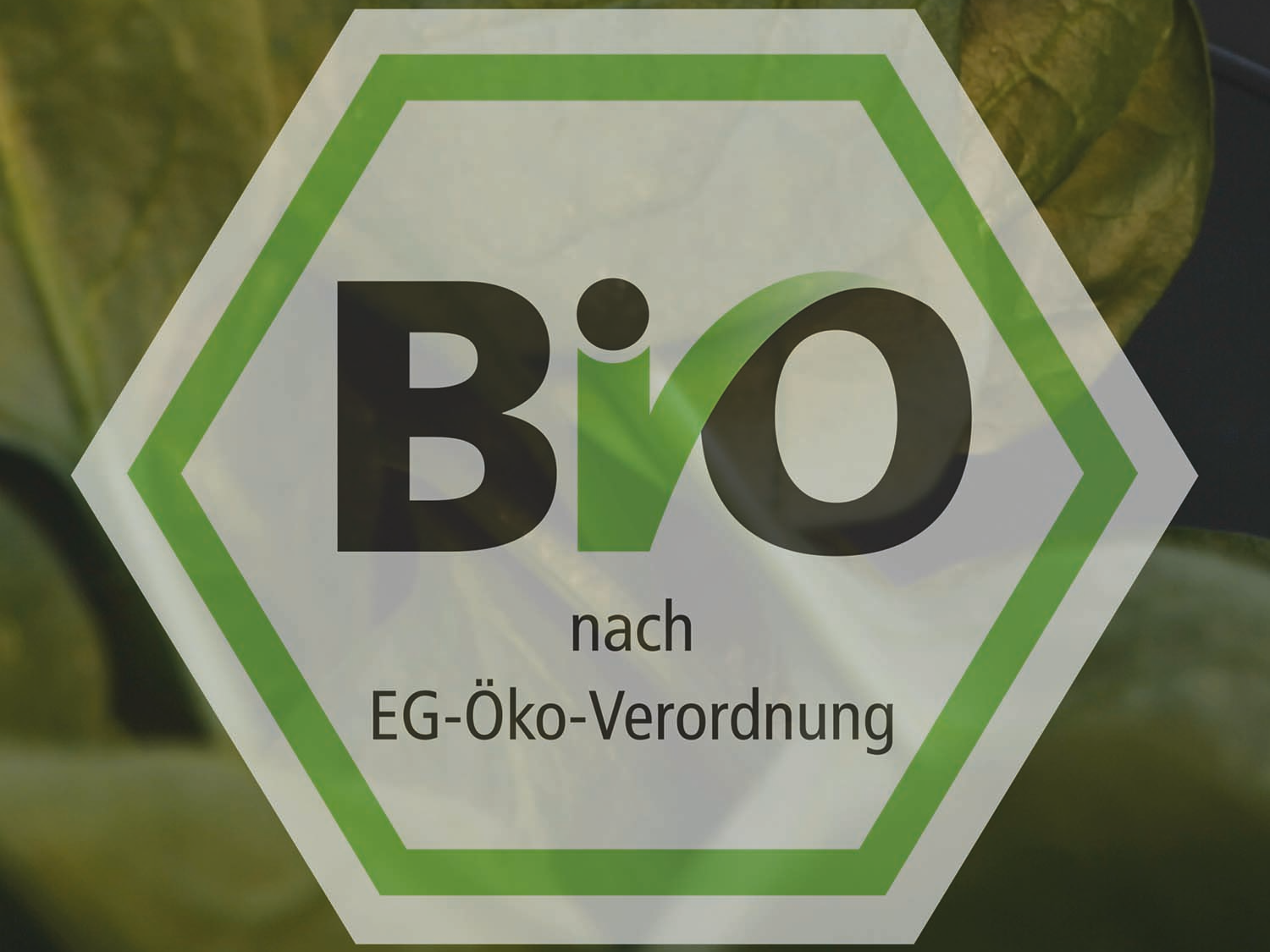
Gütesiegel wie das „Bio-Siegel“, „Blauer Engel“, „Stiftung Warentest“ und bis zu 1.000 weitere Siegel repräsentieren Eigenschaften wie Nachhaltigkeit, Gesundheit oder Sicherheit bezüglich eines Produkts, einer Dienstleistung oder auch eines Unternehmens.