







 Biology
46502612 / 55502243
Auge
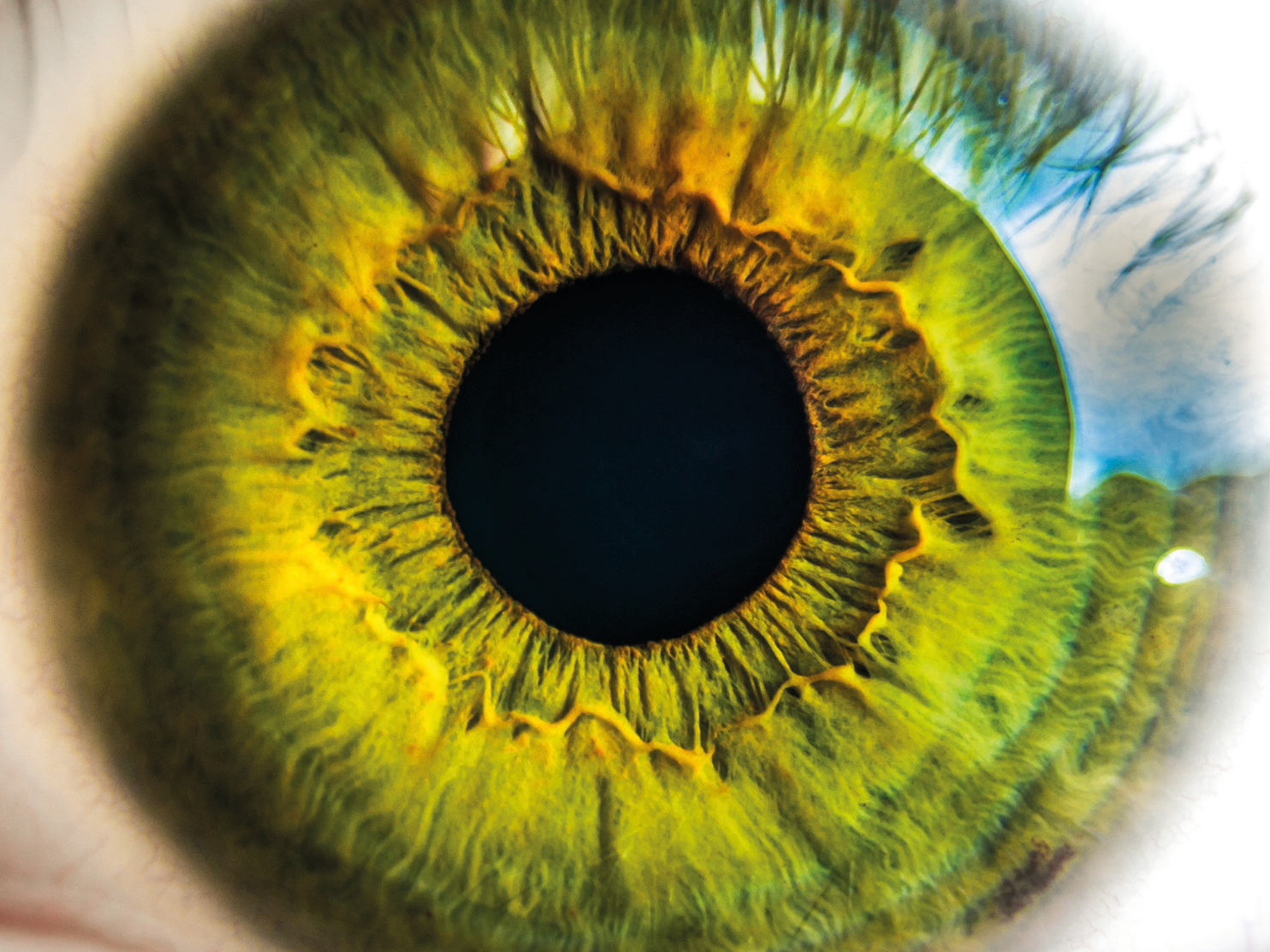
Warum sehen wir
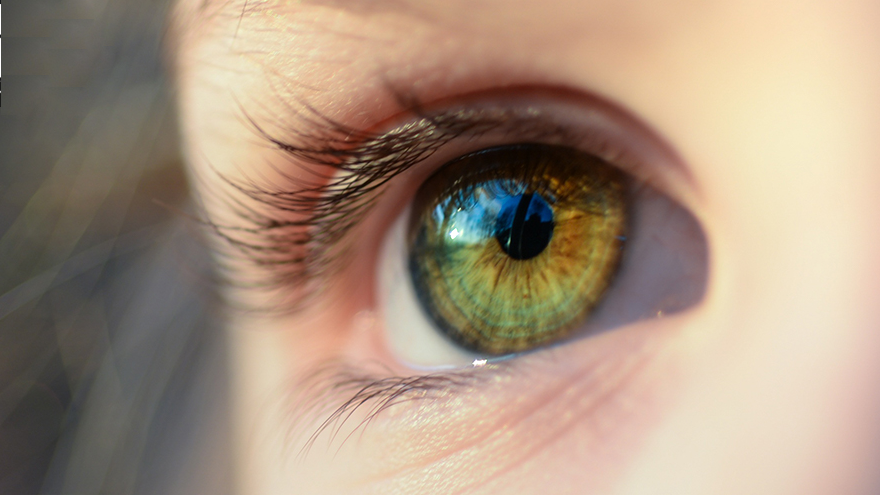
Die meisten der Informationen, die auf uns einströmen und einwirken, nehmen wir über unseren Sehsinn wahr. Was passiert in unseren Augen aber genau während des Sehvorgangs?
Der Film erklärt den Weg vom ins Auge treffende Licht bis zum Sinneseindruck durch unser Gehirn. Wie können wir räumlich sehen, wie Farbsehen?
Das menschliche Auge ist in der Funktionsweise einer Kamera ähnlich. Wir vergleichen die Linse des Auges mit denen optischer Linsen.
In Verbindung mit dem umfangreichen Zusatzmaterial (klassische und interaktive Arbeitsblätter, Testfragen, Glossar) lässt sich das Medium hervorragend im Unterricht verwenden.
Die interaktiven Aufgaben, die Testfragen und das Glossar wurden mit H5P erstellt und können ohne weitere Software verwendet werden.
Curriculum-centred and oriented towards educational standards
Matching


Katastrophenschutz
Die Flutkatastrophe vom Sommer 2021 hat gnadenlos die Defizite im Frühwarnsystem und die Bedrohungen durch den Klimawandel gezeigt.

Schönheit
Sie entsteht im Auge des Betrachters, dennoch ist sie messbar. Es gibt sie innen wie außen.