







 Society


4677312 / 5564520
Wegwerfgesellschaft
In die Tonne – aus dem Sinn!
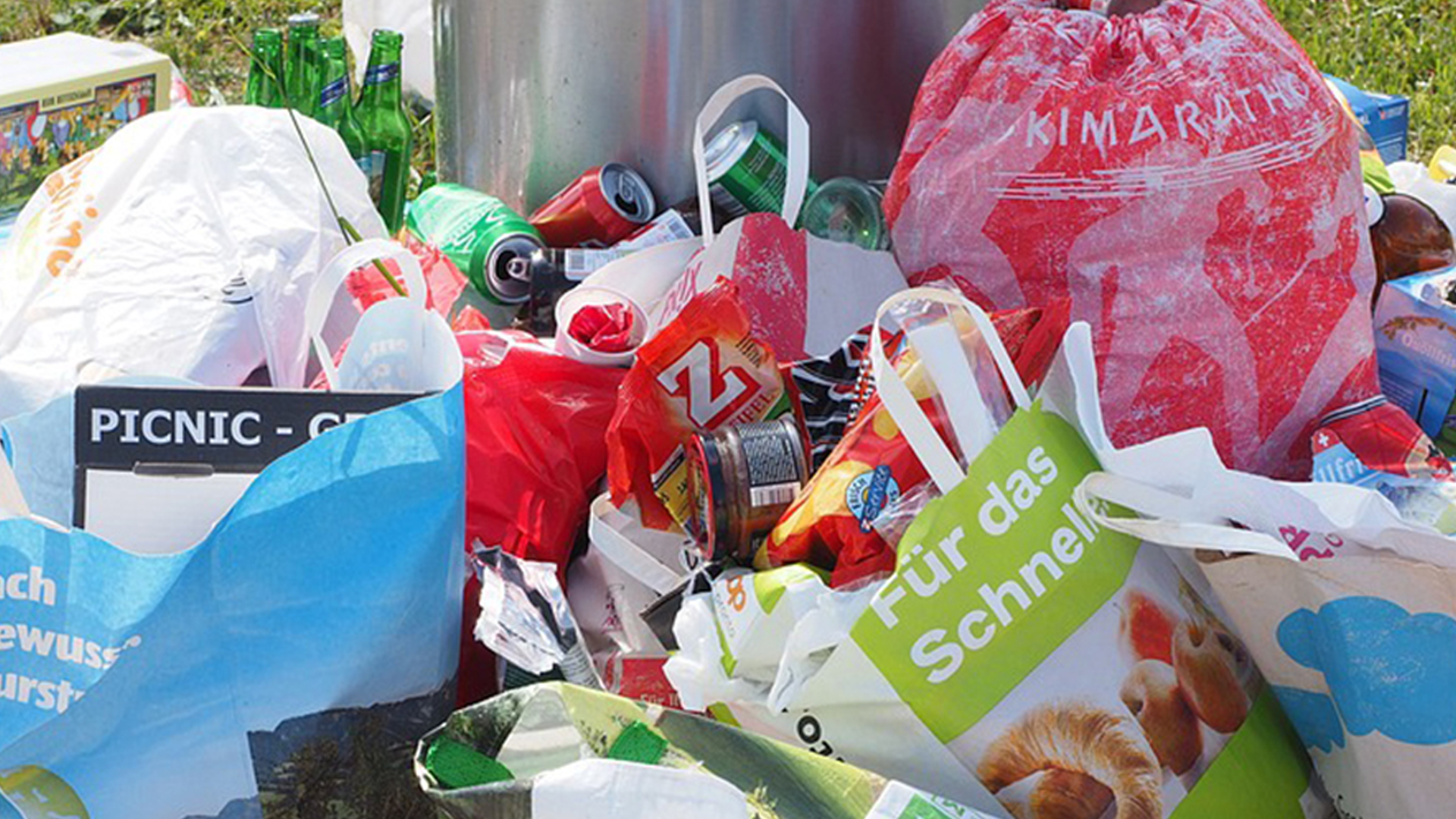
Allein in Deutschland landen jedes Jahr elf Millionen Tonnen Lebensmittel im Müll. Würde man diese Menge Lebensmittelabfall in Lkws verladen, so ergäbe sich eine Lkw-Schlange, die von Berlin bis nach Peking reichen würde.
Und für einen kleinen Teil davon ist auch Familie Nicosia aus Köln verantwortlich. Der Film begleitet die siebenköpfige Familie eine Woche lang, um zu dokumentieren, wie viel Essen bei ihnen in der Mülltonne landet.
Viel Geld verschwindet beim Essen. Teuer eingekaufte Lebensmittel, die dann ungegessen im Müll landen. In der Tonne – aus dem Sinn. Dass Essen einfach so im Müll landet, ist kein Phänomen, das nur bei Familie Nicosia vorkommt. Die meisten von uns würden zu derselben Erkenntnis gelangen. Der Film erklärt, wo die Probleme entstehen und wie man,
z. B. durch planvolles Einkaufen, die Lebensmittelverschwendung vermeiden bzw. stark reduzieren kann.
Gemeinsam mit dem sehr umfangreichen Unterrichtsmaterial (klassische und interaktive Arbeitsblätter und Testaufgaben) ist der Unterrichtsfilm sehr gut für den Einsatz im Unterricht geeignet.
- <> Languages : DE
- <> Target Groups : GS, Sek I
- <> Subject : Society
- <> Length : 14:07 min
- View in learning platform
Licenses
Curriculum-centred and oriented towards educational standards
Matching


Entwicklung der Frauenrechte
Männer und Frauen sind gleichberechtigt. Dass dieser Satz im Grundgesetz steht, ist das Ergebnis eines langen Kampfes der Frauen um gleiche Rechte.

Rechte und Pflichten
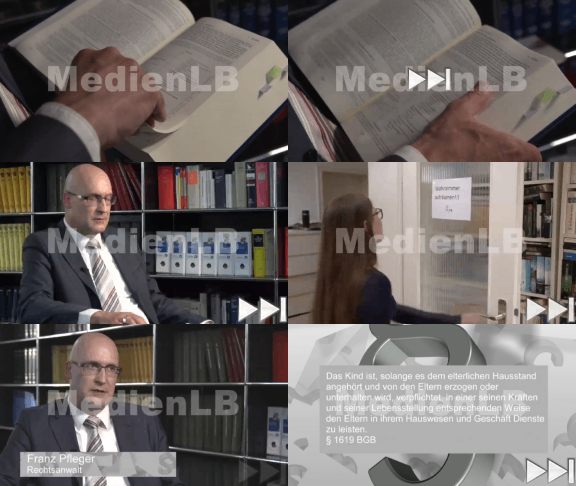
In Spielszenen und mit zahlreichen Experteninterviews geht der Film den Fragen der Rechte und Pflichten von Jugendlichen nach.