







 Media Education, Training of Teachers

4675563 / 5563711
Video Course I
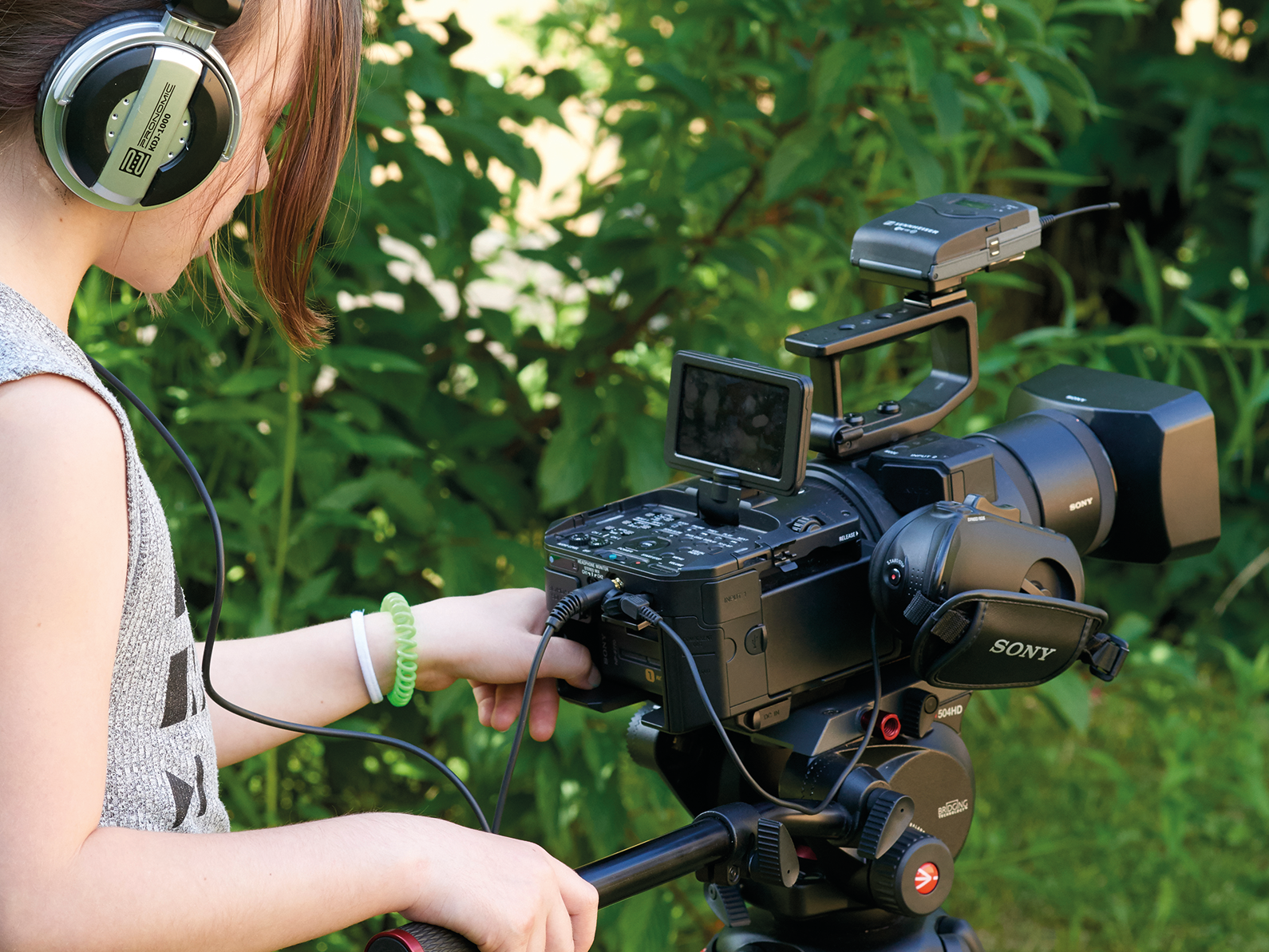
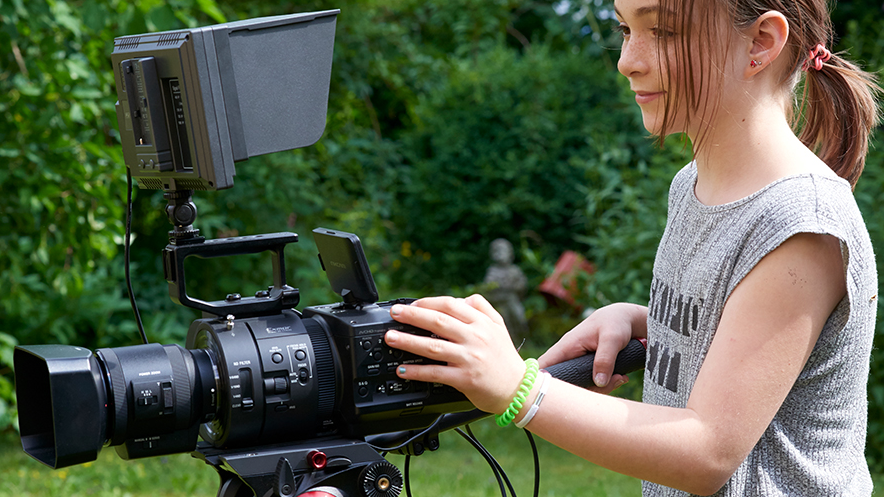
Equipment, Preparation, Camera Work
It is a lot of fun to make your own films.
People who love telling or writing stories and/or taking pictures or making films have come to the right place.
It does not have to be a Hollywood production. Today, even with simple means you can be creative and tell terrific stories, too.
Mastering the technique is just as much part of filmmaking as writing, researching and planning.
A film is seldom made by a single person: often many people are involved, duties have to be arranged, many things have to be organized and prepared before you finally hear: “and action“.
With a good idea in mind and the aim of making it into a good film, this is all great fun.
- <> Languages : DE, EN, TR
- <> Target Groups : Sek I, Sek II
- <> Subject : Media Education, Training of Teachers
- <> Length : 23:05 min
- View in learning platform
Licenses
Curriculum-centred and oriented towards educational standards
Matching
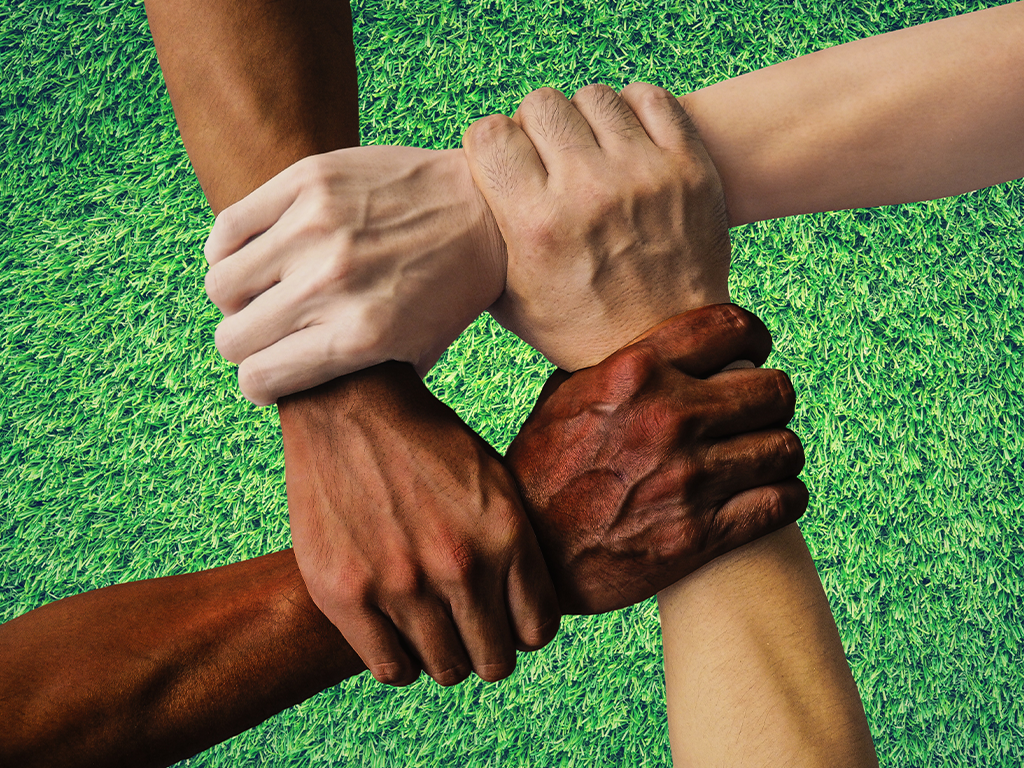
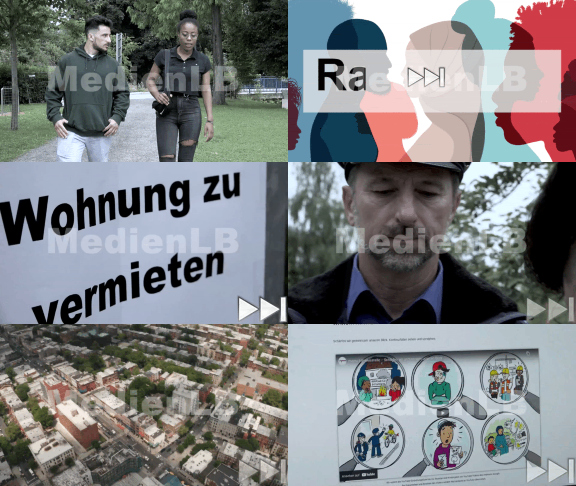
Racism
Do you perhaps know that?
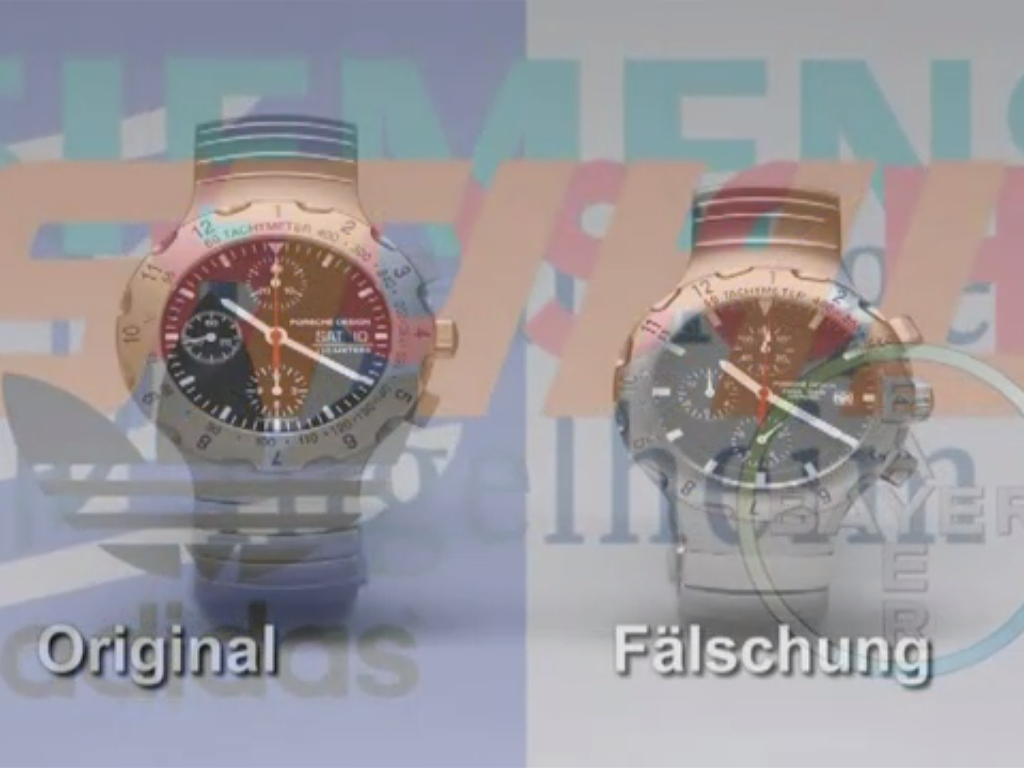
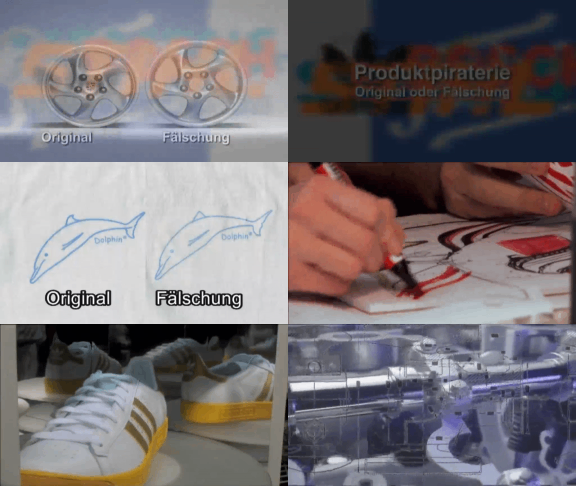
Product Piracy
Counterfeiting takes place in almost all economic sectors – textiles, watches, car parts, machine parts, tools, accessories, software and medicines. Some counterfeits are easy to recognise, others are so well-executed that even experts have difficulty distinguishing between original and imitation. This DVD covers the development of a product from idea to manufacture. Once a product has become a trademark, product pirates appear on the scene.
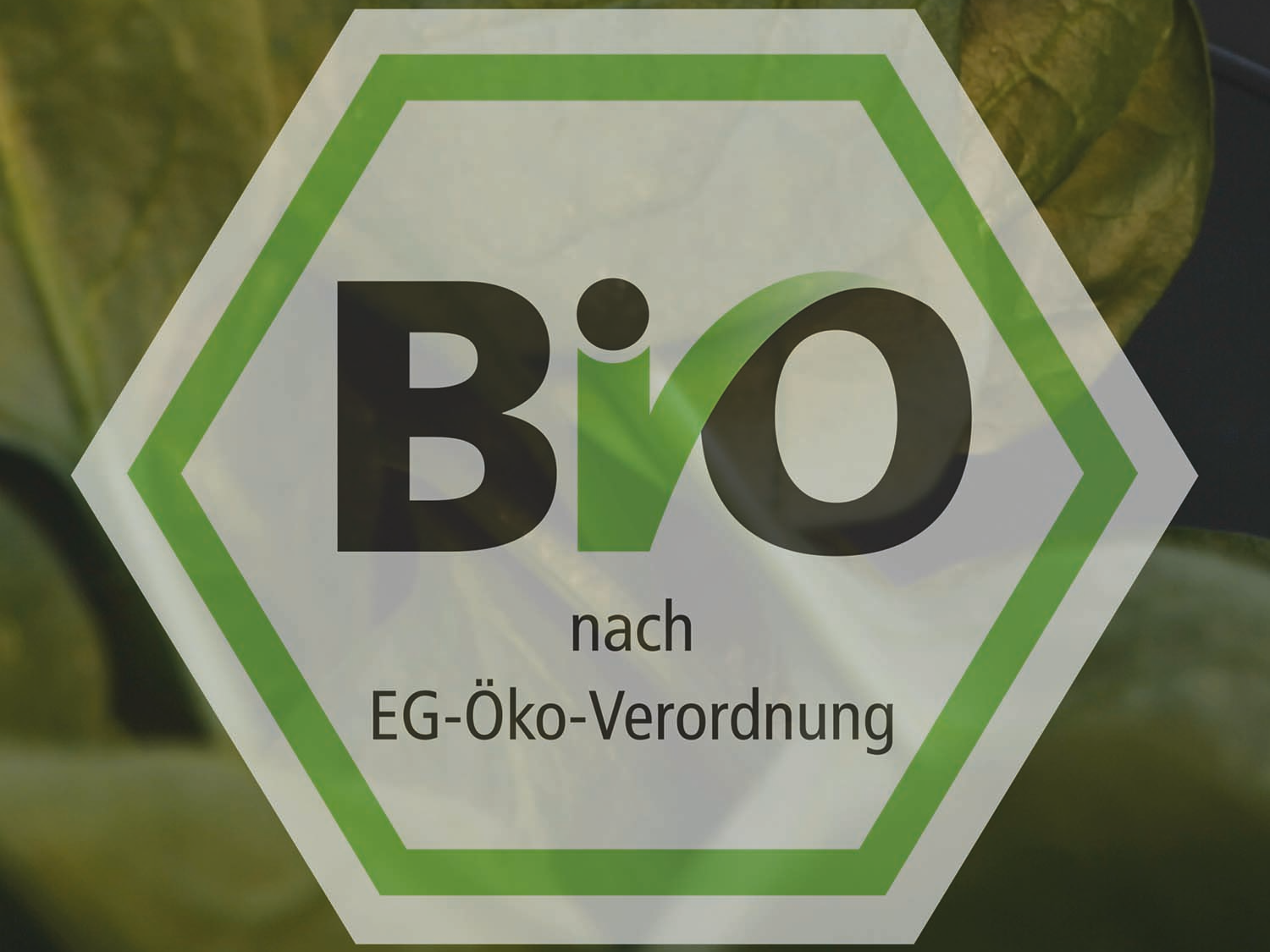
Seal of approval
Quality seals such as the "Bio-Siegel", "Blauer Engel", "Stiftung Warentest" and up to 1,000 other seals represent characteristics such as sustainability, health or safety with regard to a product, a service or even a company.