







55502616
Vergleich von ionischen und kovalenten Verbindungen
In 11 interaktiven Aufgaben wird Wissen zu ionischen und kovalenten Verbindungen vermittelt und anschließend abgefragt.
Das Medium bietet H5P-Aufgaben an, die ohne zusätzliche Software verwendbar sind.
Durch interaktive Aufgabentypen wird das audiovisuelle und interaktive Lernen einfach.
Lernen macht jetzt Spaß!
Included Tasks
- I Ionische und kovalente Verbindungen - Lückentext
- II Eine feste ionische Verbindung - Interaktive Aufgaben
- III Eine feste molekulare kovalente Verbindung - Interaktive Aufgaben
- IV Eigenschaften - Gitterstruktur - Interaktive Aufgaben
- V Die Eigenschaften von ionischen Verbindungen - Interaktive Aufgaben
- VI Die Eigenschaften von kovalenten Verbindungen - Interaktive Aufgaben
- VII Eine Verbindung-Quiz - Interaktive Aufgaben
- VIII Kovalent oder ionisch? - Interaktive Aufgabe
- IX Löslichkeit in organischen Lösungsmitteln - Interaktive Aufgaben
- X Warum leiten feste ionische Verbindungen keinen Strom - Interaktive Aufgaben
- XI Kovalente Moleküle - Interaktive Aufgaben
Curriculum-centred and oriented towards educational standards
Matching


Fire and Flame
Fire – one of the most important human discoveries. It gives us warmth and light, conveys security and fascinates us with its dancing flames.
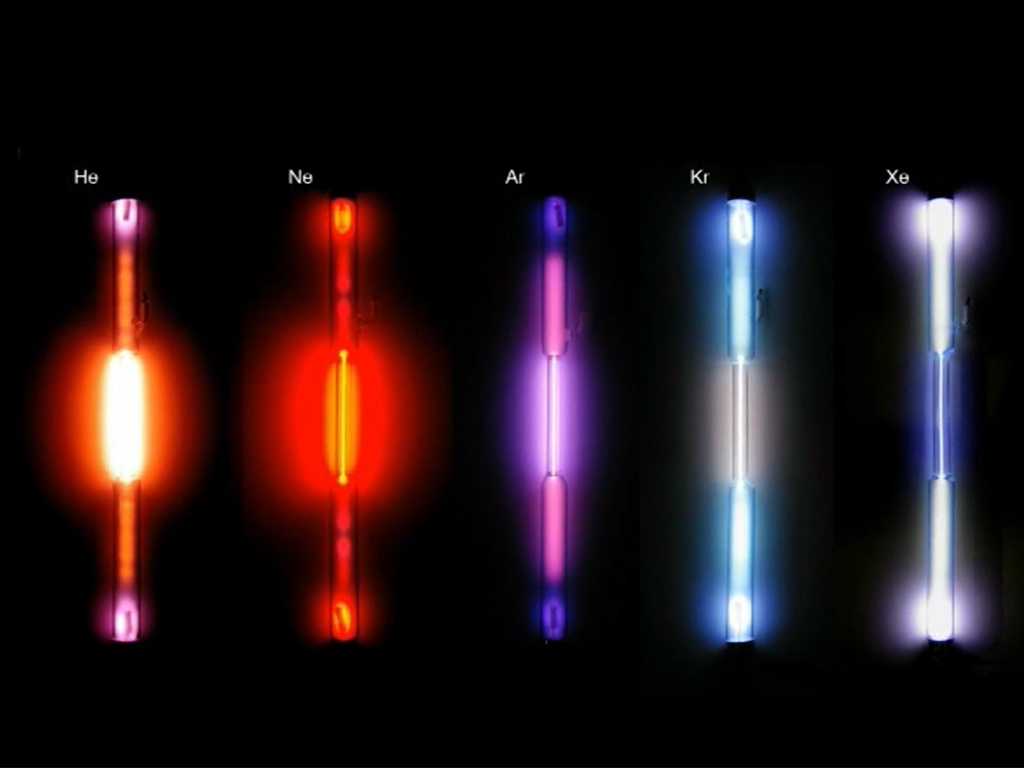

Noble Gases
Xenon, Helium, Neon, Argon, Krypton and the radioactive Radon belong to the noble gases. These form the family of noble gases as the elements of the eighth group of the periodic table. All of them are colourless and odourless, non-inflammable and non-toxic. Their most striking chemical property is their inertness. This can be explained by their electron arrangement, termed noble gas configuration and represents a particularly stable and therefore low-energy state. The noble gases are to be found in scant amounts in our air from which they are also distilled. Helium is mainly extracted from natural gas. In everyday life, we encounter noble gases for example as shielding, filling or buoyant gases and in fluorescent tubes. The shell model describes the structure of the atoms. It is based on the distribution of electrons in restricted areas at a fixed distance around the core of the atom.


Biogas
In our modern lives, we are dependent on a regular supply of energy.