







55503004
Tiere in Afrika
In 10 interaktiven Aufgaben und Videos wird Wissen zu den Tieren in Afrika vermittelt und abgefragt.
Das Medium bietet H5P-Aufgaben an, die ohne zusätzliche Software verwendbar sind.
Durch interaktive Aufgabentypen wird das audiovisuelle und interaktive Lernen einfach.
Lernen macht jetzt Spaß!
Included Tasks
- I Afrikas wilde Tiere – Interaktive Aufgabe mit Video
- II Afrikas große Raubkatzen: Der Löwe – Interaktive Aufgabe mit Video
- III Der Leopard – Interaktive Aufgabe mit Video
- IV Der Gepard – Interaktives Video
- V Warum ist der Gepard so schnell? – Bildkarten
- VI Hundeartige: Schakale
- VII Wildhunde – Interaktive Aufgabe mit Video
- VIII Nahrungsopportunisten: Hyäne
- IX Krokodil – Interaktive Aufgabe mit Video
- X Pflanzenfresser – Interaktive Aufgabe mit Video
- XI Beute oder Jäger – Interaktive Aufgabe
- XII Aggression im Tierreich – Interaktive Aufgabe
Curriculum-centred and oriented towards educational standards
Matching


Hidden Sugar
Sugar is ever-present in our lives.
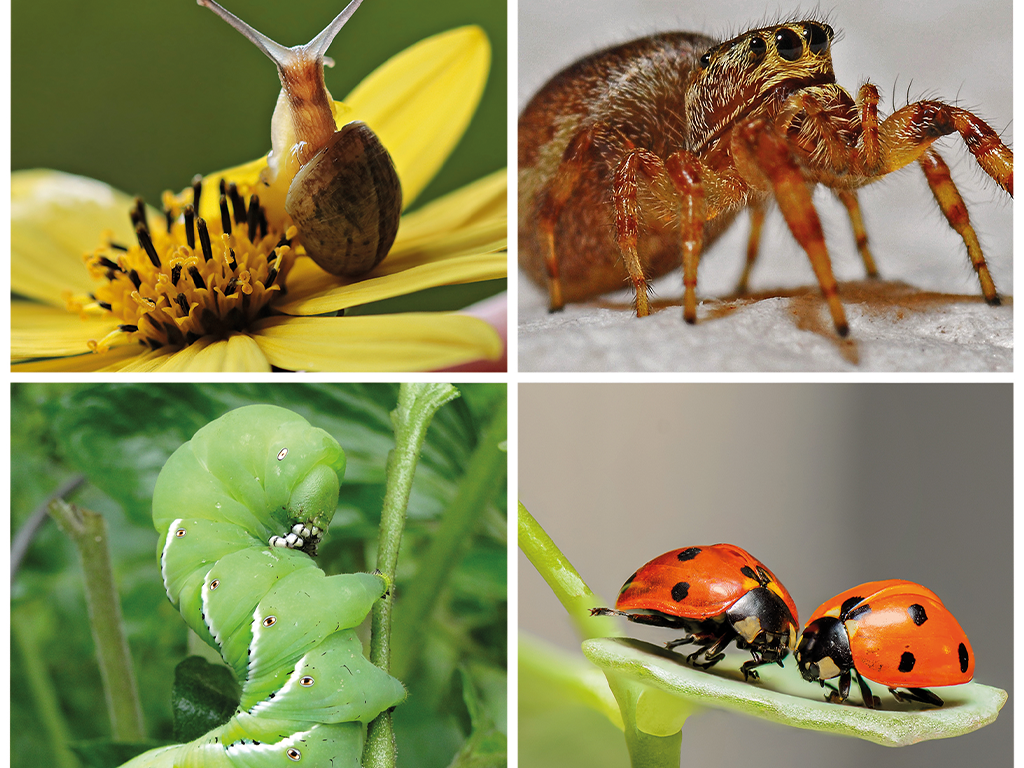
Invertebrates
The term “invertebrates” was coined by the French zoologist and botanist Jean-Baptiste de Lamarck in the early 19th century. He was the first to address the classification of the then so-called “lower animals” and divided them into different categories and classes.


Typical Boy, Typical Girl
QUOTE girl: