







 Biology

4662992 / 5553326
The White Stork
Commuter between Europe and Africa
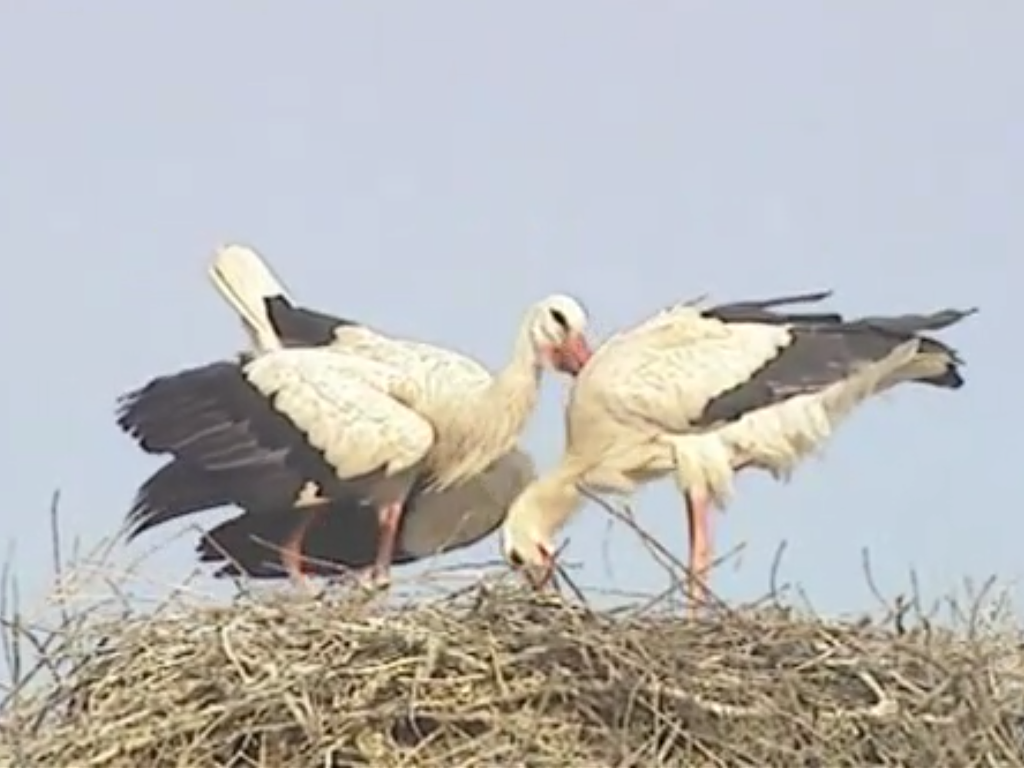
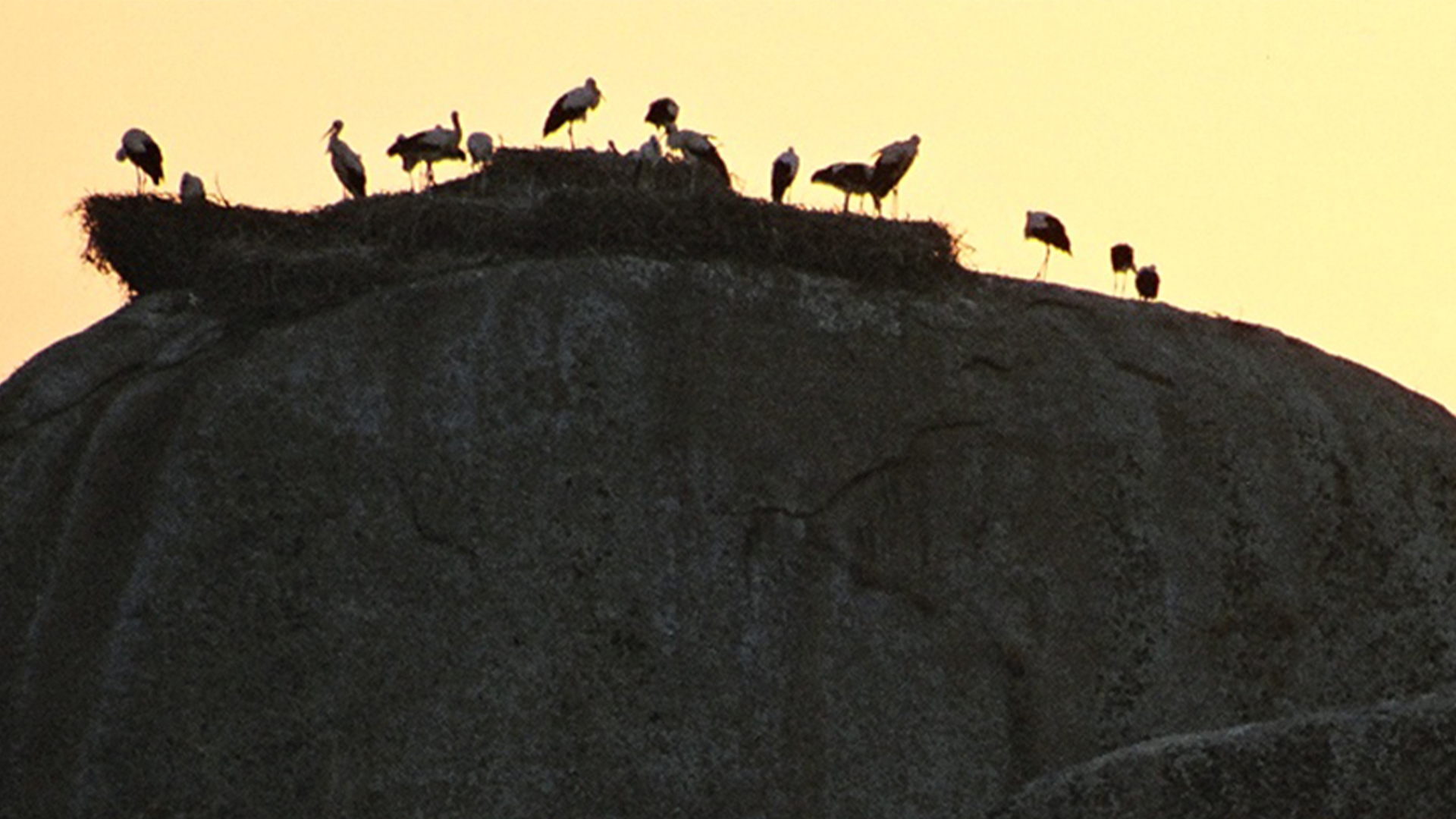
People have always found the white stork fascinating. It is a large, conspicuous bird, which exposes itself to human curiosity by the choice of its nesting places, therefore people tend to assign meaning to its behaviour. Today, the white stork is still believed to bring good luck. The film covers the characteristics of white storks, their appearance and behaviour as well as the order of Ciconiiformes. The habits of the white storks, their habitats and migration routes are shown in the film, too. In the Reproduction Chapter, we can see interesting pictures of hatching chicks and their first attempts at flying. The DVD includes first-grade bonus material on the bird migration research carried out by the Max Planck Research Centre for Ornithology headed by Peter Berthold. The white stork’s cultural significance and myths told about it as well as the ties between countries, which are strengthened by the “European Stork Villages”, are covered, too. The bonus material is only available in German and adds approximately 14 minutes to the film.
Play trailer
- <> Languages: DE, EN, TR
- <> Target Groups: Sek I, Sek II
- <> Subject: Biology
- <> Length: 27:14 min
- View in learning platform
Licenses
Curriculum-centred and oriented towards educational standards
Matching

Computer Games
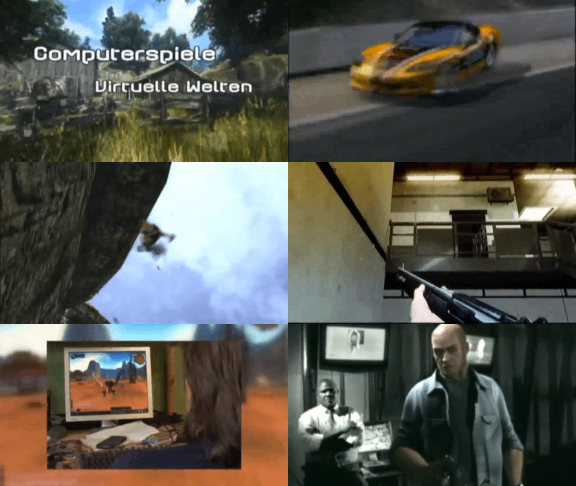
This film covers the topic of computer games in a variety of ways and from many different angles. Apart from the fascina- tion of computer games for users, the historical development as well as the production of computer games are described. The established genres are introduced, the guidelines of the German BPjM are explained. In light of recent public discussions, a neutral overview of the pros and cons of playing computer games is given, and different kinds of player behaviour are outlined. In this film, the pupils will recognise many aspects of their favourite pastime that encourage an independent, constructive use of this medium and reinforce their media competency. The film and teaching material are very closely related to the real-life situation.

Copyright
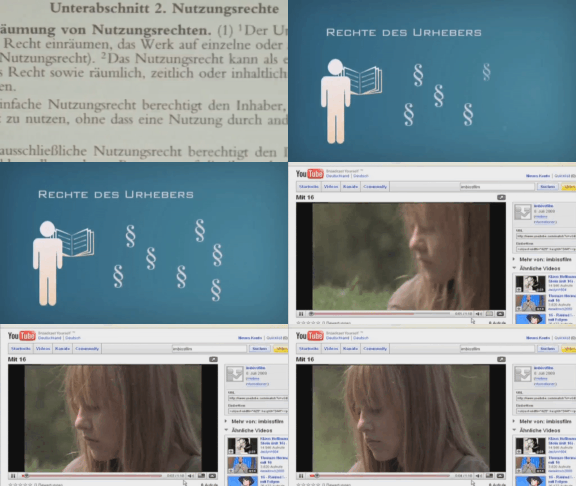
Copyright is subject to constant change to keep up with technological advances. This film enables the viewer to grasp the basic principles of this extremely intricate matter. By way of introduction, the film defines what an author is, what kinds of works there are and how long a work is protected on principle. Then the fundamental rights of an author are cited and it is shown how these are exploited in our times. In the third chapter, the respective rights are illustrated by way of practice-oriented examples of books, photos, music and films. Here, of course, an emphasis is laid on the field of education, taking into account the latest case law within the EU and Austria in particular. A further chapter highlights the problems arising with the Internet and goes into the citation law and pirate copies. All in all, in this way the viewer is made familiar with the most important basic terms and their meanings. Comprehensive worksheets and additional accompanying material invite us to deepen our knowledge of the subject.
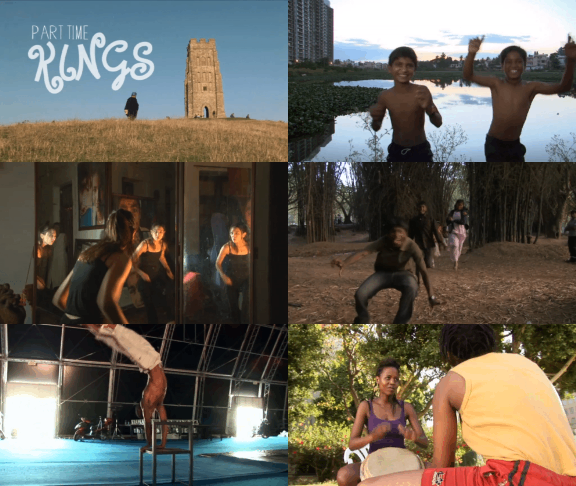
Part Time Kings
Your children are not your children