







 Physics
46503480 / 55502972
States of Aggregation
Solid, Liquid, Gaseous
It is winter. Snow and ice transform the landscape into a fairy tale scenery. At sub-zero temperatures, ice crystals form on branches and other objects.
The snow cover is not always uniform but sometimes shows varied structures of snow and ice crystals as well.
Snow is frozen rain, that is, precipitation falling from the clouds. Clouds, in turn, consist of gaseous water vapour which transforms into precipitation in certain conditions.
Where the sun shines and temperatures rise again, snow and ice begin to melt. Thaw sets in, and snow and ice change into water again. But snow and ice can also exist simultaneously.
Even at high minus temperatures, streams and rivers still carry water. On their banks, exciting ice formations can develop as a result.
Stagnant waters, such as lakes and ponds, however, tend to freeze because the water in them hardly moves.
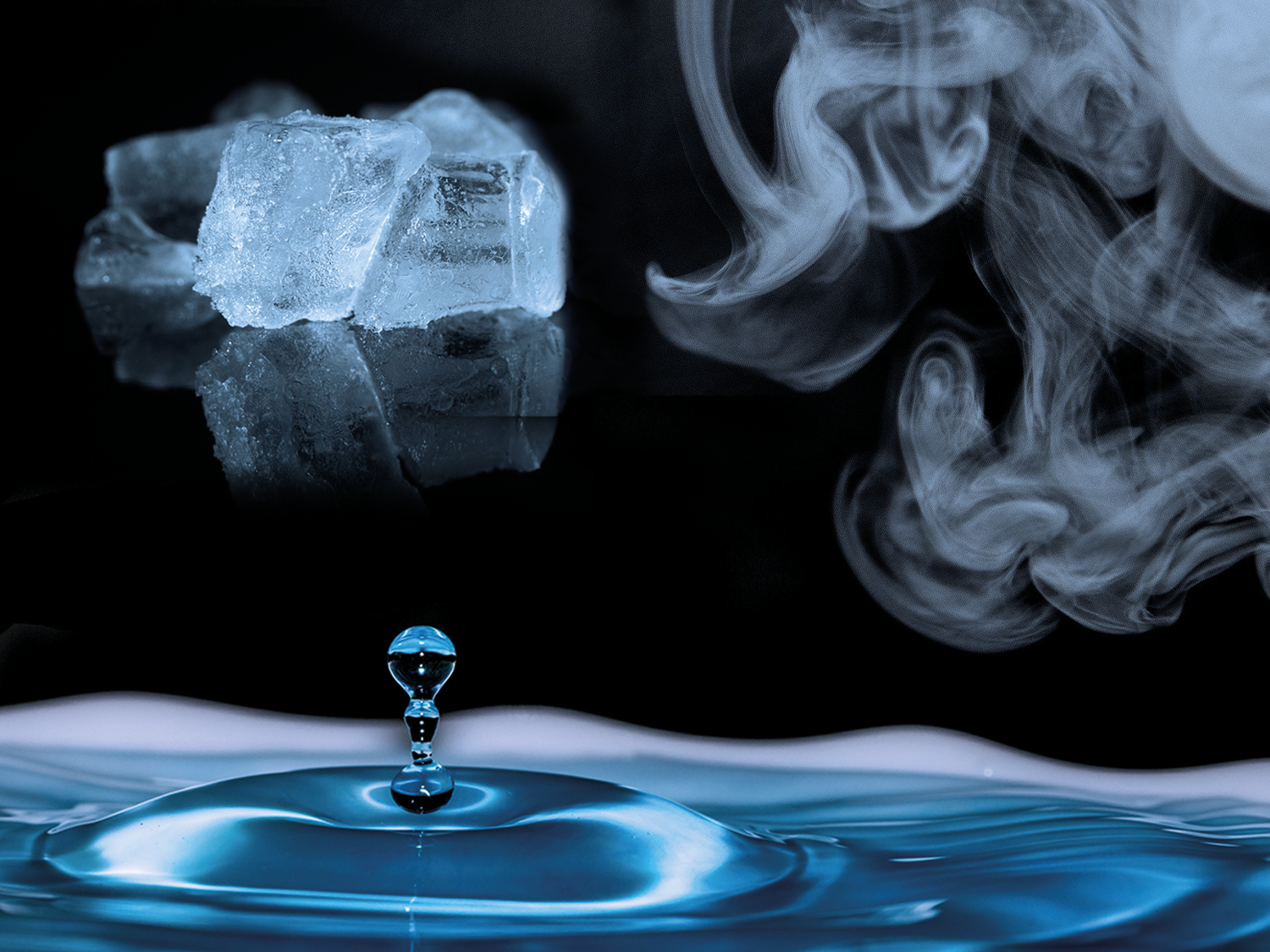
The solid, liquid and gaseous states are the three classic aggregate states. We encounter the interplay between water vapour, liquid water and ice in many situations.
Complex physical processes lie behind it. Let us take a closer look at them now.
Curriculum-centred and oriented towards educational standards
Matching
Product Piracy
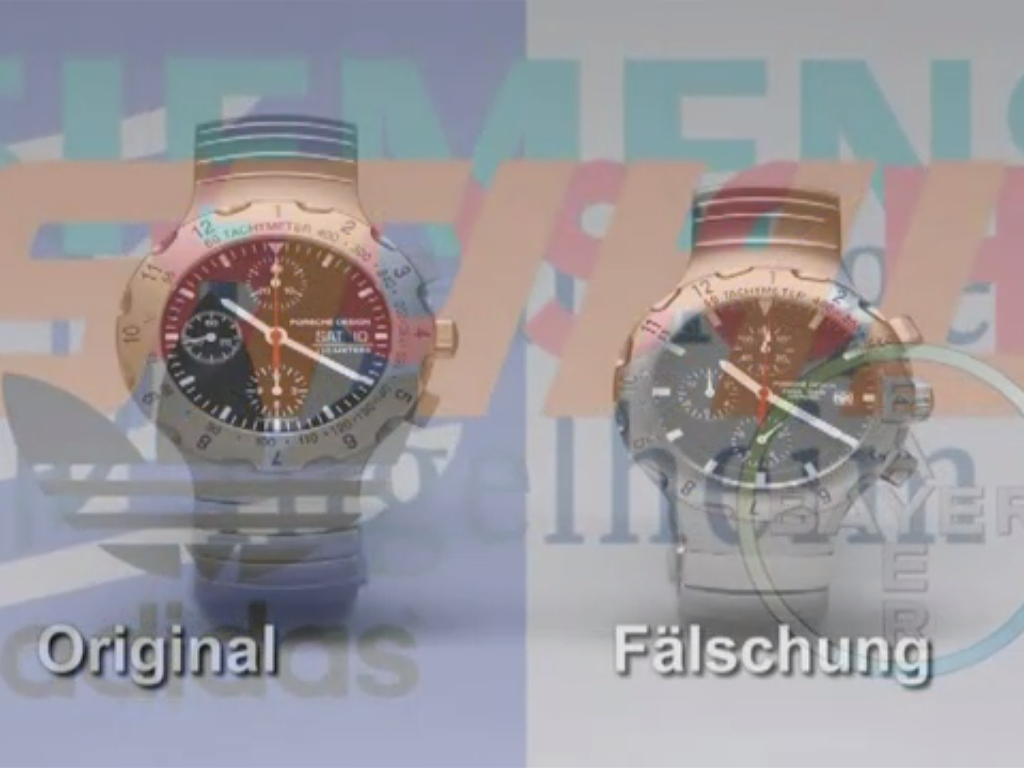
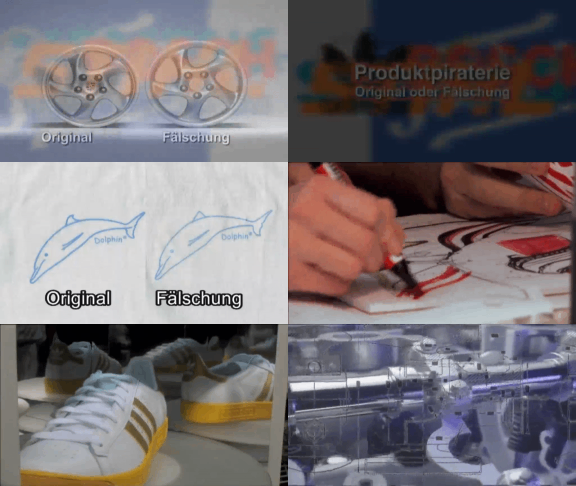
Counterfeiting takes place in almost all economic sectors – textiles, watches, car parts, machine parts, tools, accessories, software and medicines. Some counterfeits are easy to recognise, others are so well-executed that even experts have difficulty distinguishing between original and imitation. This DVD covers the development of a product from idea to manufacture. Once a product has become a trademark, product pirates appear on the scene.


Racism
Do you perhaps know that?
Peer Mediation
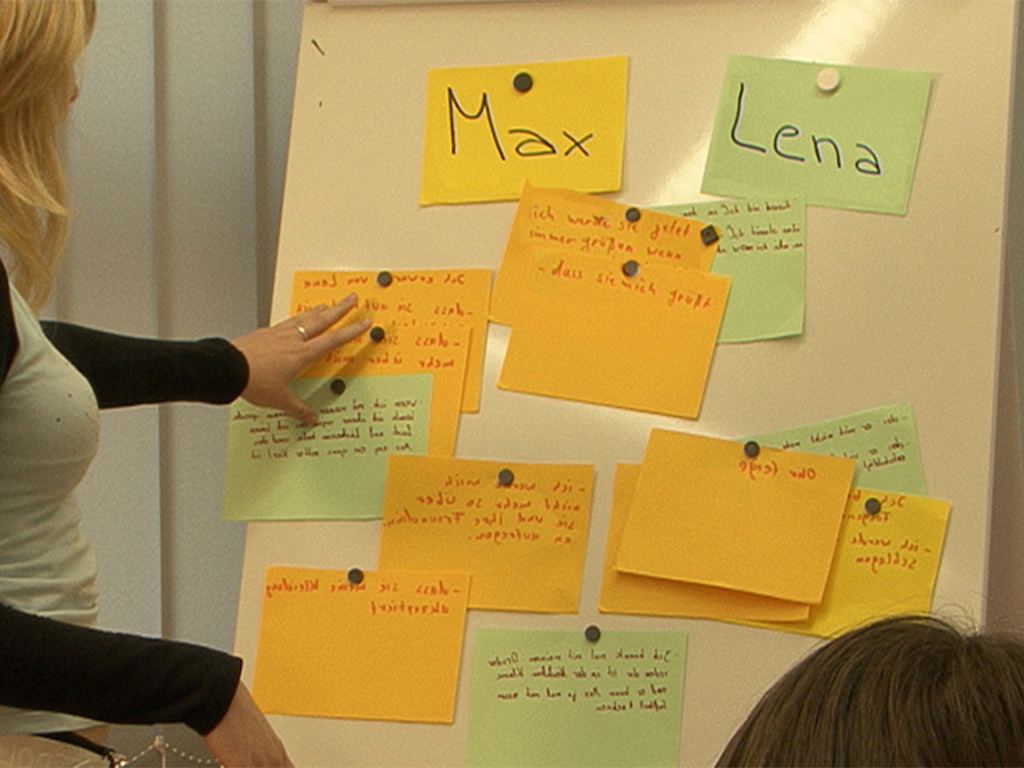
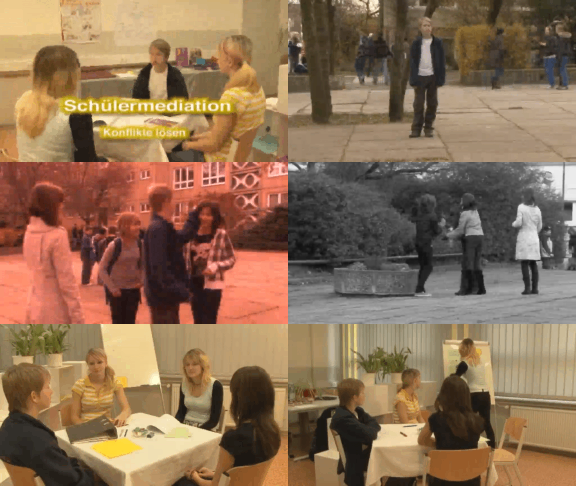
Lena and Max attend the 7th form. Max is new in class. During a break, Max notices that Lena and her friend are laughing at him again. Max loses his temper! He slaps Lena in the face. That hurts and Lena runs back into the classroom with a red cheek. The growing conflict between the two has escalated. Just like Lena and Max, every day pupils all over Germany have rows with each other. At the Heinrich Hertz Gymnasium in Thuringia, pupils have been trained as mediators for years. At set hours, they are in a room made available by the school specifically for mediation purposes. The film describes the growing conflict between Max and Lena and shows a mediation using their example. In doing so, the terms “conflict” and “peer mediation” are explained in a non-technical way. The aims of peer mediation and its progress in five steps as well as the mediators’ tasks are illustrated. The art of asking questions and “mirroring”, which the mediators must know, is described and explained. Together with the comprehensive accompanying material, the DVD is a suitable medium to introduce peer mediation at your school, too.