







 Primary School

4673675 / 5562365
Romans
Life in Ancient Rome
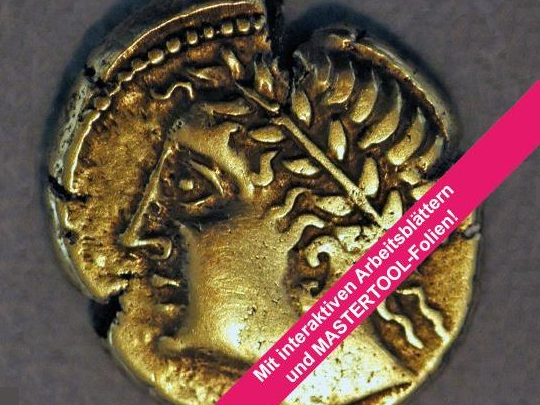
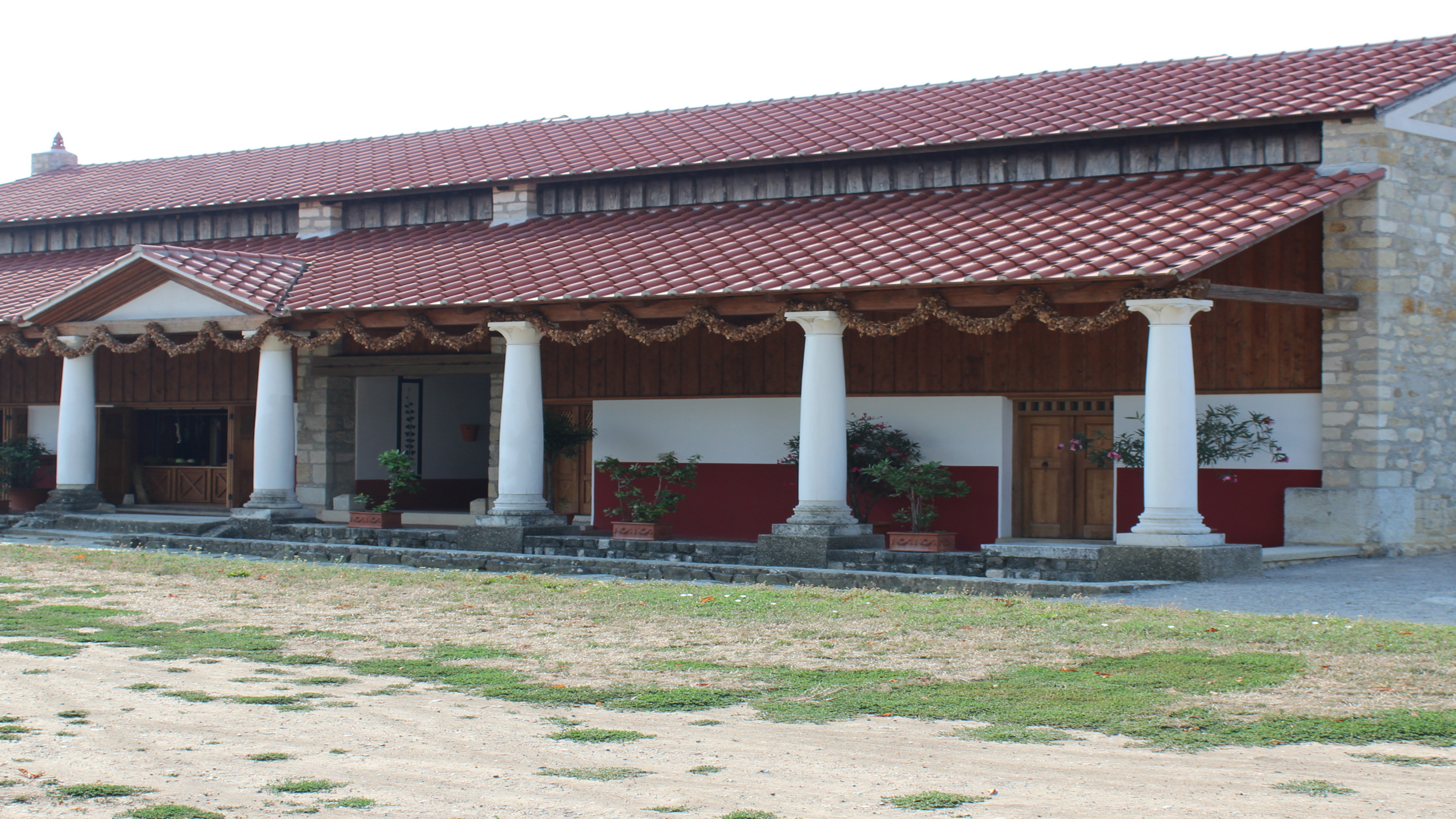
Augsburg, Cologne, Trier – perhaps you have already heard about these cities. But did you also know that all these cities were built by the Romans?
The ancient Romans ruled over a mighty empire that was far larger than Europe – the Imperium Romanum.
The Romans had to wage a lot of wars for it and subjugate native tribes and people. From the capital Rome they soon conquered all countries from Portugal to Syria, from Great Britain to Egypt.
In the middle of the first century BC, the Romans came to the southwest of Germany and to Austria.
In the north of their empire the Romans built a boundary wall – the Limes.
Watchtowers were to help to beat back the enemies.
But how was such a city created?
- <> Languages : DE, EN, TR
- <> Target Groups : GRU
- <> Subject : Primary School
- <> Length : 19:51 min
- View in learning platform
Licenses
Curriculum-centred and oriented towards educational standards
Matching

Internet Addiction
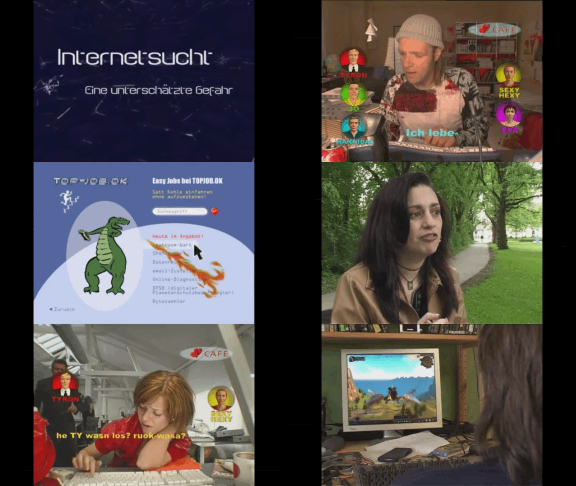
The film consists of two parts. The first part is the 15-minute short film “In the Net”. It describes the problem of excessive Internet use in a humorous way, in particular the risk of losing touch with reality when chatting. The second part illustrates with three real persons how Internet addiction can develop and the problems encountered by those who are afflicted. The authentic statements are commented by an experienced therapist. For many pupils, the issues addressed here are related to their everyday lives. What is a “sensible” use of the Internet, where does pathological addiction start? In contrast to addiction to alcohol, nicotine or drugs, the public seems to be largely ignorant of the problem of this addiction, which is not related to any substance abuse. The film provides material for discussion in the classroom (crossdisciplinary) and can be used as a basis for the formulation of prevention strategies.

Computer Games
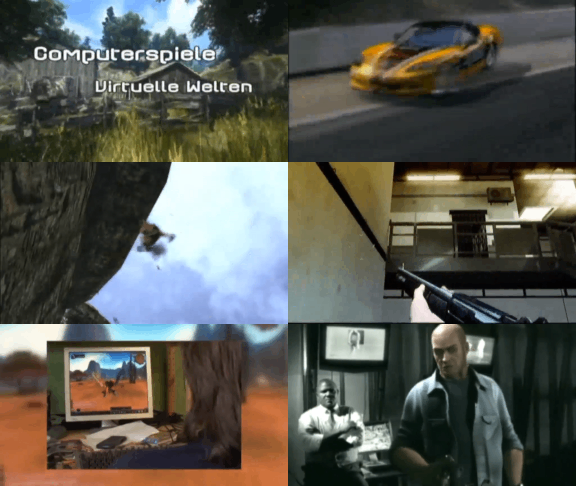
This film covers the topic of computer games in a variety of ways and from many different angles. Apart from the fascina- tion of computer games for users, the historical development as well as the production of computer games are described. The established genres are introduced, the guidelines of the German BPjM are explained. In light of recent public discussions, a neutral overview of the pros and cons of playing computer games is given, and different kinds of player behaviour are outlined. In this film, the pupils will recognise many aspects of their favourite pastime that encourage an independent, constructive use of this medium and reinforce their media competency. The film and teaching material are very closely related to the real-life situation.

Stalking
n Germany, 12 % of all federal citizens are pursued by a stalker once in their lives. And not only celebrities are among their victims! Everyone may be confronted with such a situation.