







 Geography
4656543 / 5551306
Poland
EU Member States
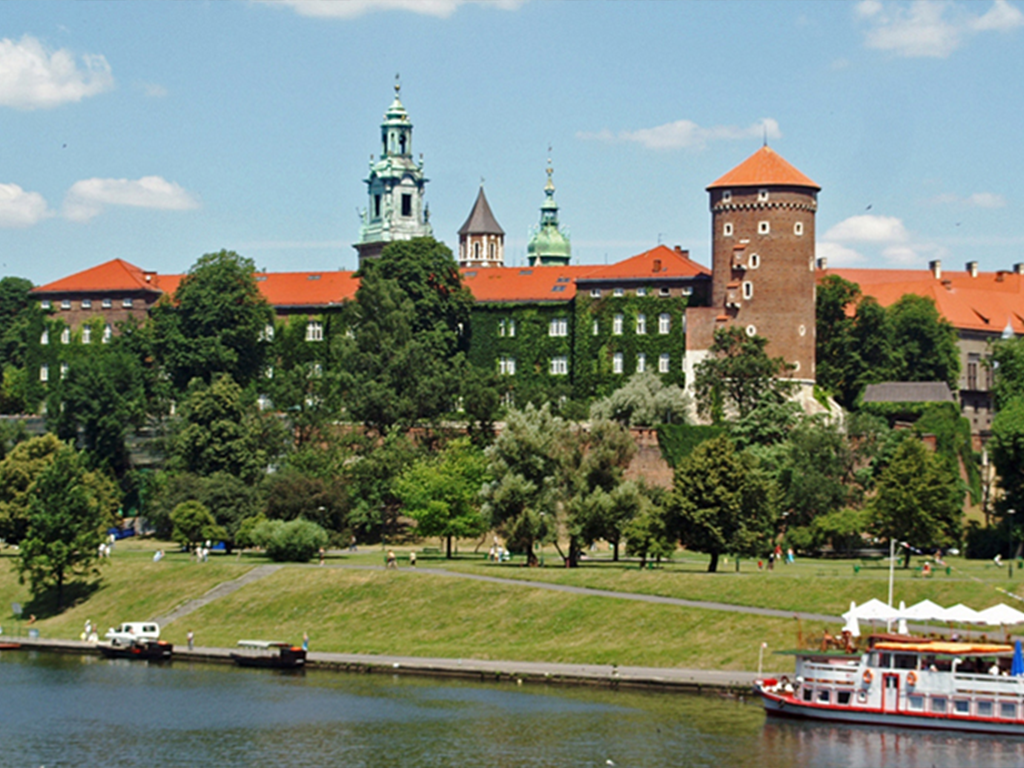
This DVD conveys to the pupils a comprehensive picture of the European neighbour state of Poland. Topographical information on Poland is followed by an overview of its typical natural landscapes, for instance the Baltic seashore from the Pomeranian Bay to the Gulf of Gdansk, the adjacent hills of the “Baltic Ridge” und the lowlands of Silesia and Mazovia. The large lake districts, the high mountain region of the “High Tatra” and the mighty Forest Carpathians form Poland’s natu- ral landmarks. The DVD gives a striking account of Poland’s fight for sove- reignty and explains the massive economic boom as a conse- quence of the transition from a centrally planned economy to a well-functioning market economy. A visit to the capital of Warsaw shows, among other things, the Old Town, which is a UNESCO World Heritage Site, but also the modern part of the city around the Palace of Culture and Science. The pupils also get to know Poland as a country of science and culture, where modern research and traditional customs peacefully coexist.This DVD shows the diversity and unique- ness of the EU member state of Poland and helps pupils to learn more about their European homeland.
Play trailer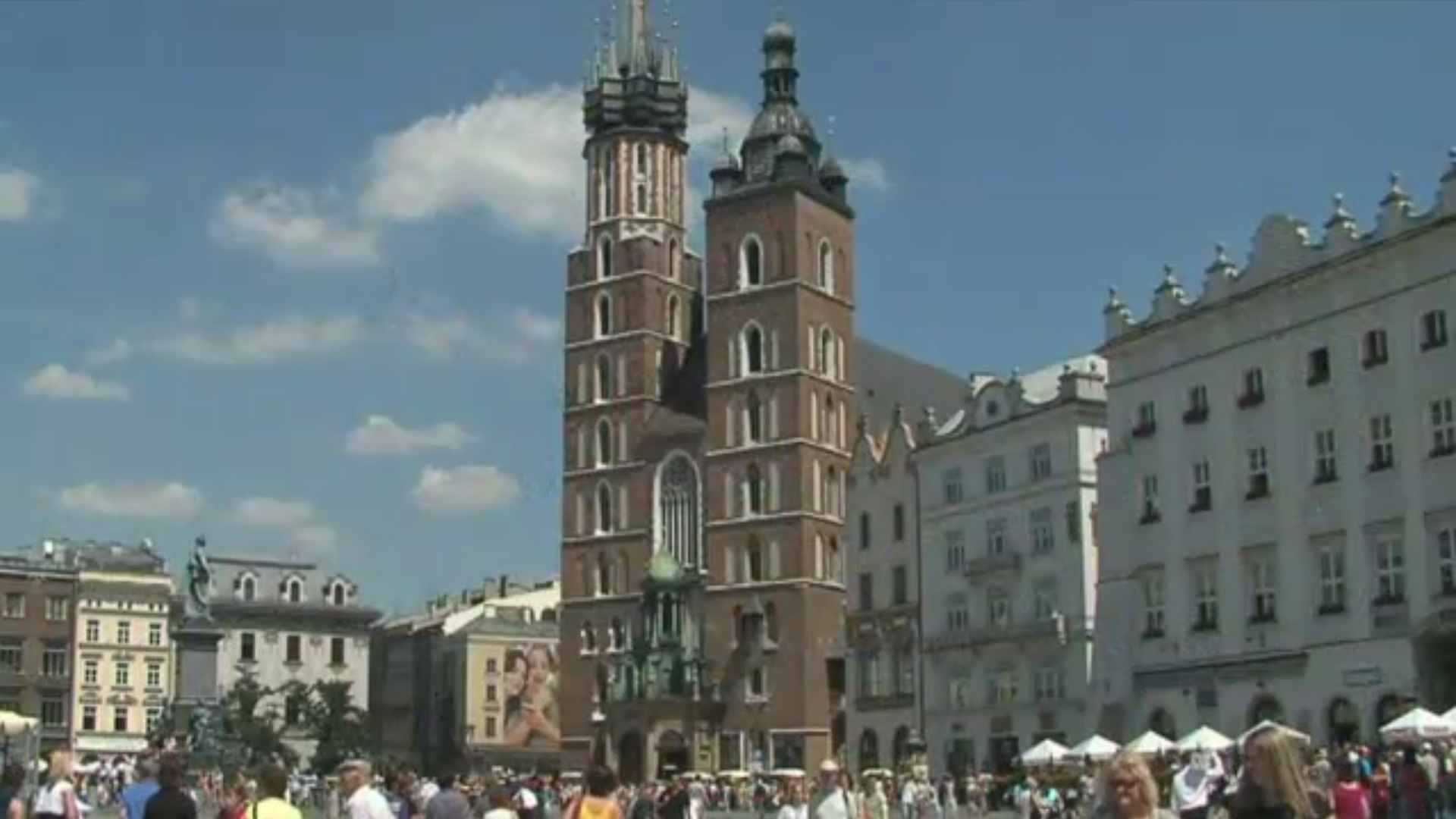
Curriculum-centred and oriented towards educational standards
Matching
Big Data
Original soundtrack young woman:

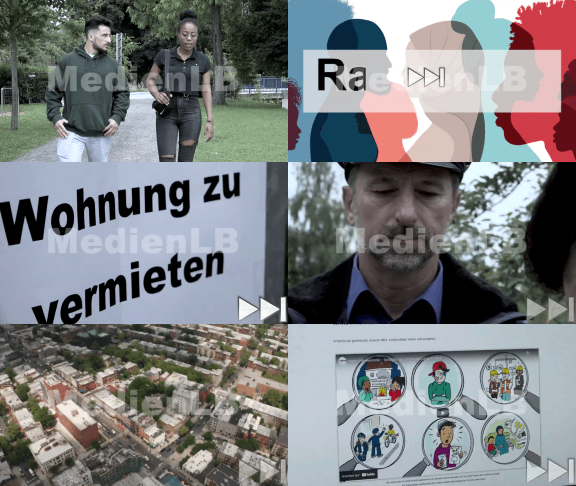
Racism
Do you perhaps know that?
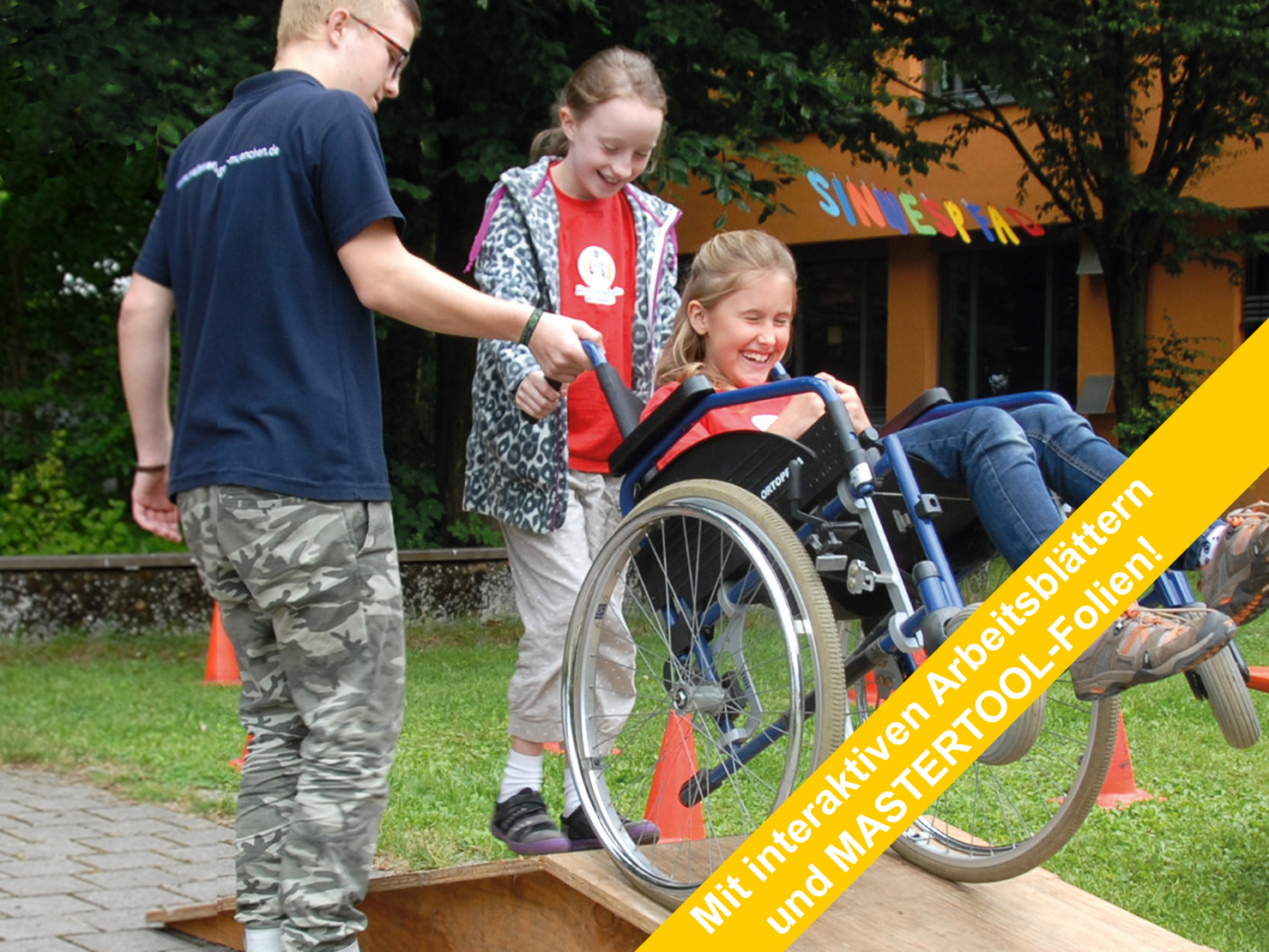
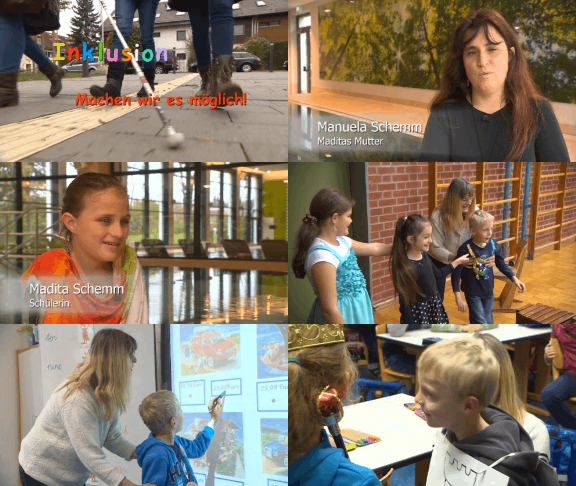
Inclusion
Madita is eleven and blind. She does not want to go to a special school but to a regular grammar school. She says she feels "normal" there. Jonathan is eight and has a walking disability. He likes going to the school where he lives. Here, his best friend sits next to him. Max Dimpflmeier, a teacher who is severely deaf, explains that school life is not easy. Quote Max Dimpflmeier: "You don't want to attract attention, you want to avoid saying that it is necessary for you that 70 people adjust to your situation." People on their way to inclusion.