







55503282
Periodensystem der Elemente
In 10 interaktiven H5P-Modulen wird Wissen zum Thema Periodensystem der Elemente eingeübt und anschließend abgefragt.
Das Medium bietet H5P-Aufgaben an, die ohne zusätzliche Software verwendbar sind.
Durch interaktive Aufgabentypen wird das audiovisuelle und interaktive Lernen einfach.
Lernen macht jetzt Spaß!
Included Tasks
- I Entstehung des PSE - interaktive Aufgaben
- II Periodensystem kennenlernen - interaktive Aufgaben
- III Gruppen und Perioden - interaktives Video
- IV Elementkarten beschriften - interaktive Aufgabe
- V Protonen; Elektronen; Neutronen - interaktives Video
- VI Bauplan der Atome - interaktive Aufgabe
- VII Symbole; Namen; Aggregatzustände - interaktive Aufgabe
- VIII Außenelektronen; Schalen; Elemente - Dialogkarten
- IX PSE-Wissen prüfen - interaktive Fragen
- X PSE-Quiz - interaktive Aufgabe
Curriculum-centred and oriented towards educational standards
Matching
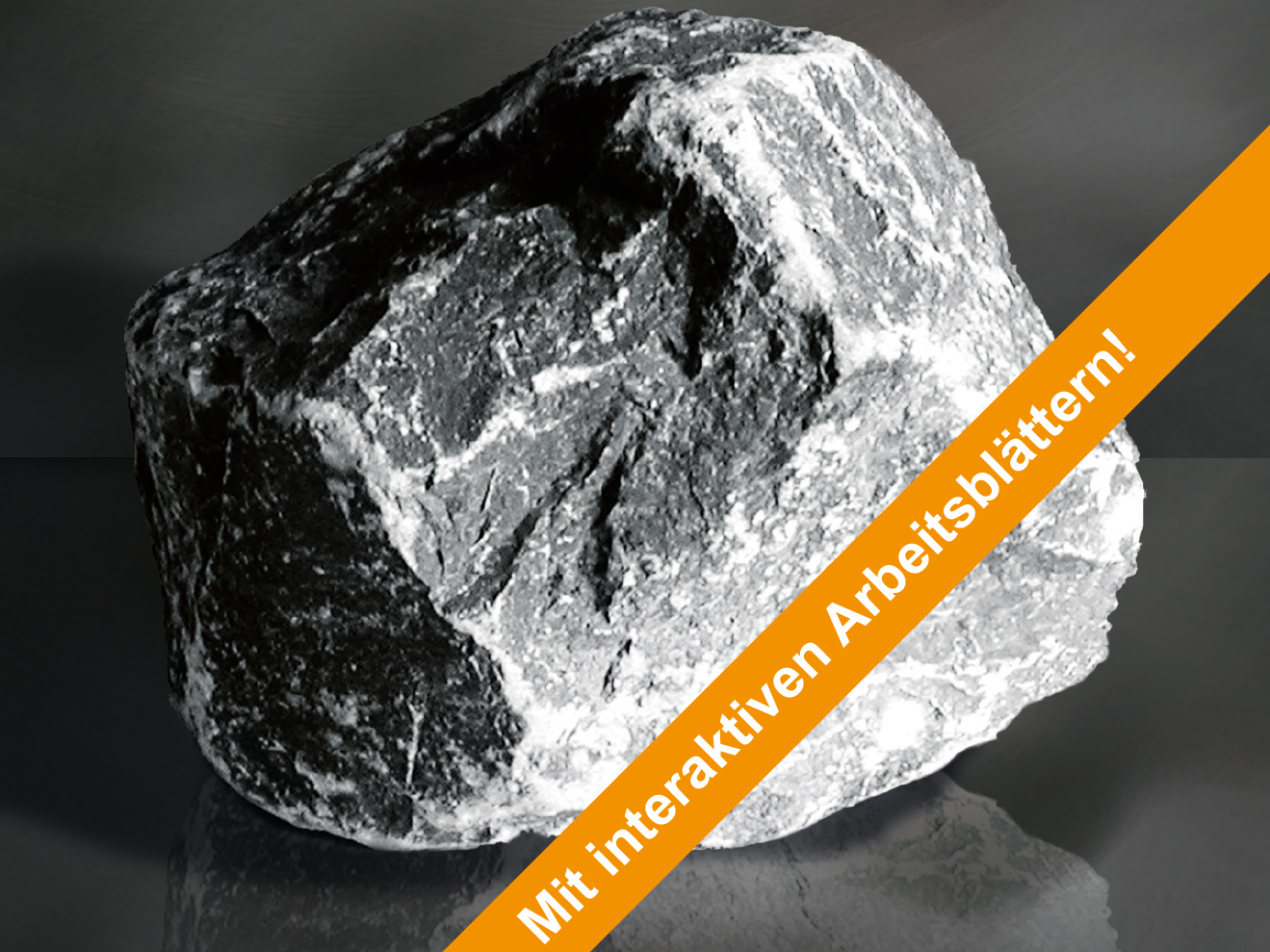
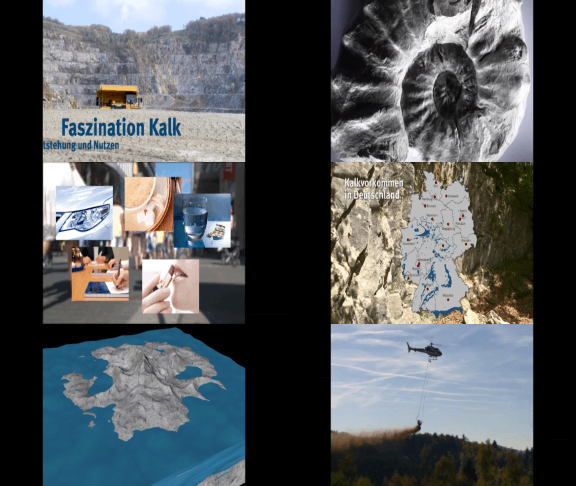
Fascination Lime
Many products used in everyday life are impossible without lime. These are, among others, glass, sugar, paper as well as pharmaceutical and cosmetic products. The raw material is also indispensable in the construction materials industry. Iron and steel producers need limestone, in environmental protection it is used, for example, for air cleaning and drinking water purification.
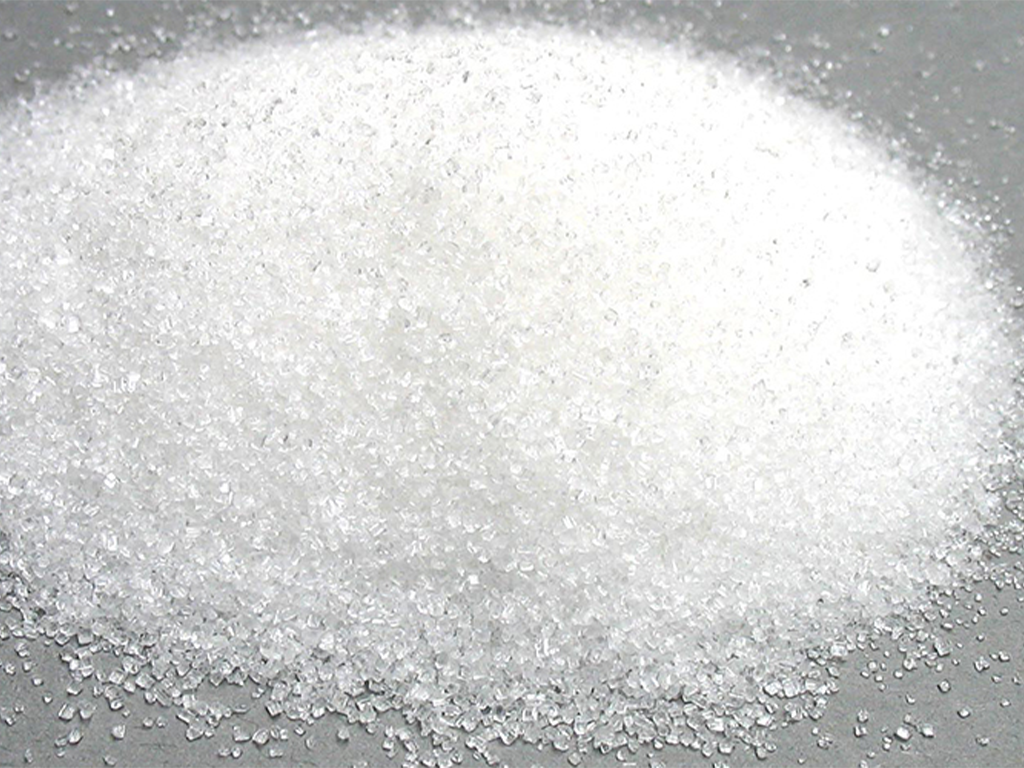
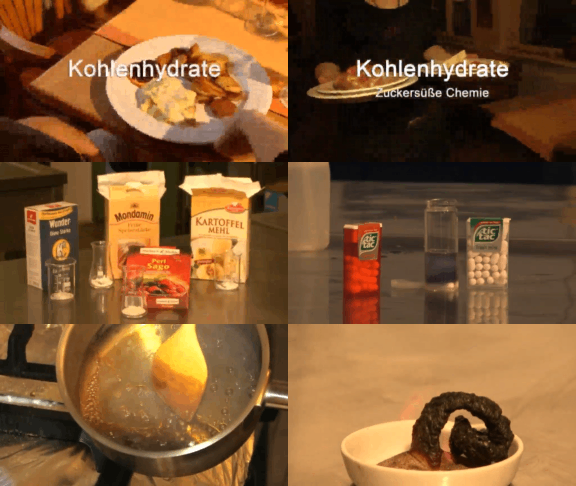
Carbohydrates
The term carbohydrate or saccharide is a collective name for all substances with the chemical formula Cn(H2O)n. Carbohydrates are the basis of nutrition. They are part of our diet as starch, glucose (grape sugar), fructose (fruit sugar), lactose (milk sugar) and saccharose (beet, cane or table sugar). Important suppliers of carbohydrates are potatoes and cereals such as rice, wheat, maize, millet, rye and oats. The various carbohydrates in our foods are introduced to the pupils. The characteristics of polysaccharides, disaccharides and monosaccharides are explained to them and in which foods these substances occur and how they are structured. In addition, the different origins of starch, starch degradation products, gelling agents as well as sugar alcohols in confectionery are dealt with. The DVD shows how various substances can be detected with the help of chemical processes. Together with the extensive accompanying material the DVD is ideally suited for use in the classroom.

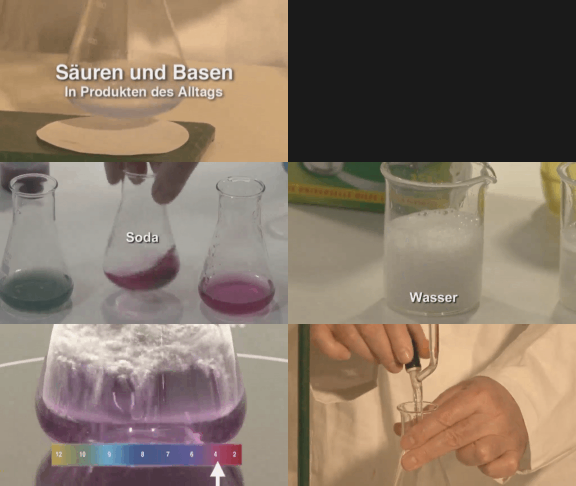
Acids and Bases
We can find acids and bases in every supermarket, some of them in our food, others in cleaning agents. In everyday products, acids and bases as well as acidic and alkaline reacting salts have extremely different functions. In food, acids are either present or added as flavouring agents such as citric acid, tartaric acid and acetic acid, as antioxidants such as ascorbic acid or generally as acidifiers, sequestrants (citric acid and tartaric acid) and preservatives (acetic acid).