







 Geography
4677113 / 5564402
Natural Gas
Reserves, Extraction, Use
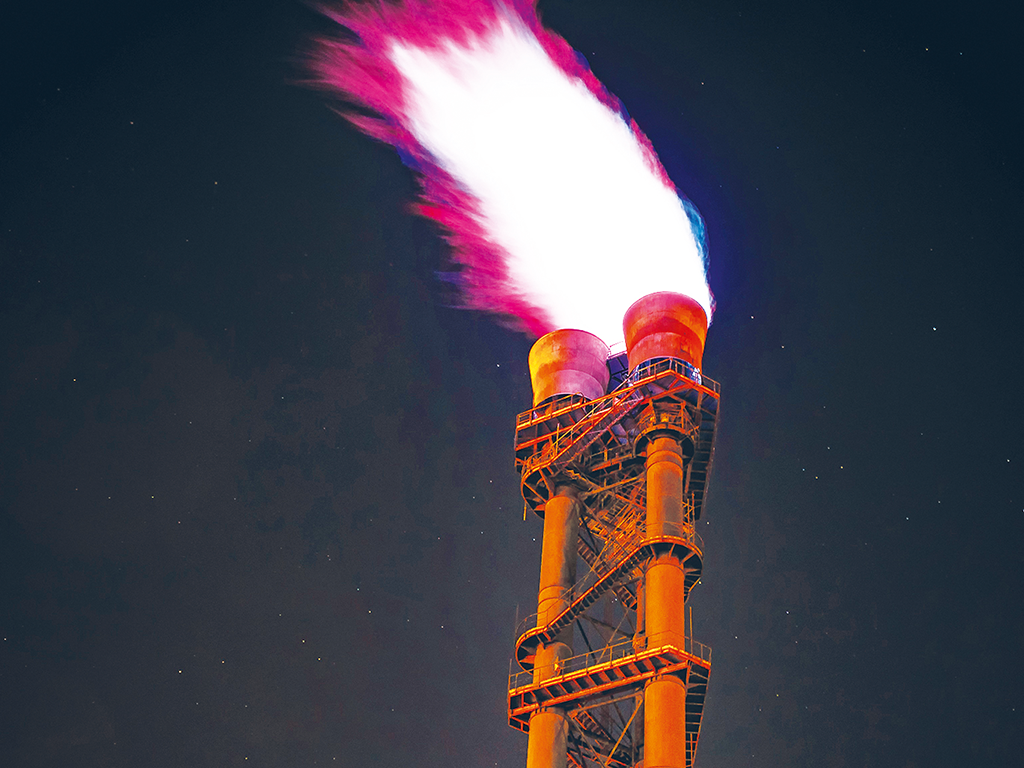
It provides heat for radiators and for cooking, generates electricity and even drives cars: natural gas is an important energy resource – worldwide, and also here in Germany.
More than 20 per cent of the energy demand in Germany is covered by natural gas. During combustion, natural gas releases a lot of energy in the form of heat. This makes it an important energy source for the production of heat and electricity. On a global scale, natural gas is one of the most important energy sources, after petroleum and coal. But it is also used as a raw material in the chemical industry and as a fuel for vehicles.
In the energy mix with the regenerative energy sources sun, wind and water, natural gas is of great significance. But what exactly is natural gas and how is it extracted?
Curriculum-centred and oriented towards educational standards
Matching

Podcasting
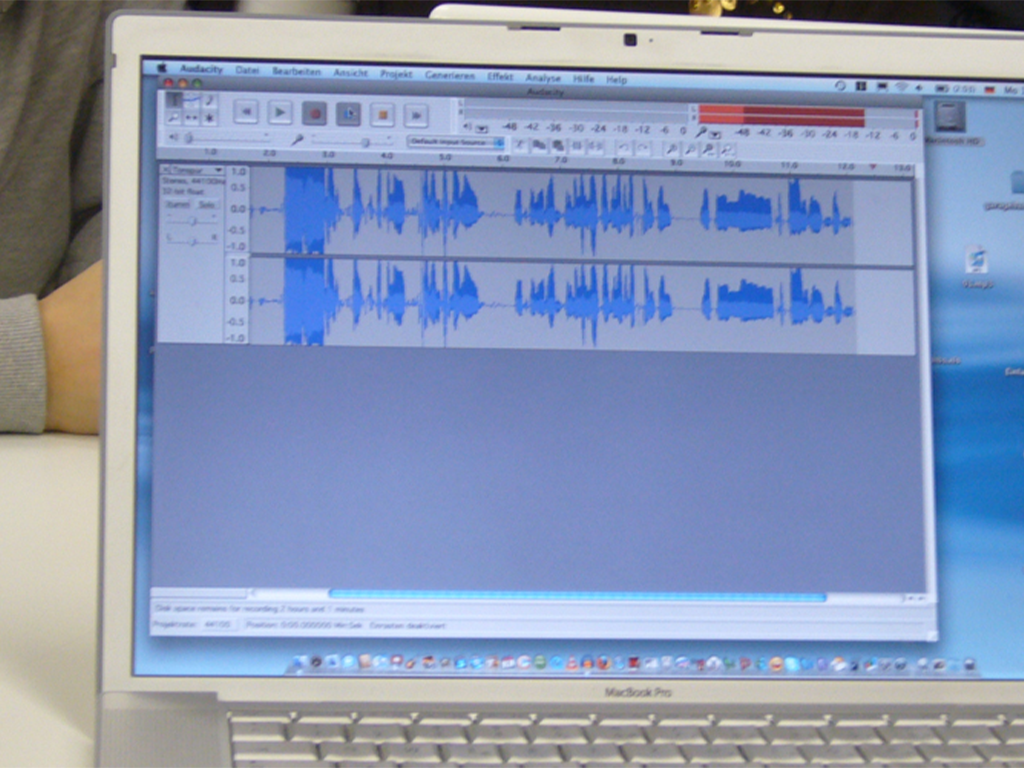
Today, the use of new media has become a matter of course not only in everyday life – schools and teaching, too, benefit from the new technologies and methods, which support active and independent learning. Especially in computer science, ethics and language courses but also in all other subjects, modern media are a valuable pedagogic and didactic asset. This DVD uses the example of podcasts to demonstrate how the possibilities opened up by new media can be applied in the classroom and how the pupils can be taught to handle them in a competent and target-oriented manner. The film is aimed at supporting the use of podcasts at school and encourages making them. This also requires the ability to find information on the Internet and assess it. The film informs on the functionality of podcasts and technical background as well as on the teaching and learning possibilities offered by podcasts – ranging from specific contents to superordinate learning targets such as the advancement of creativity and team spirit. The DVD is a useful support for teachers applying new media and wishing to show their pupils how to handle Running Time: 20:29 ms them in a sensible way.
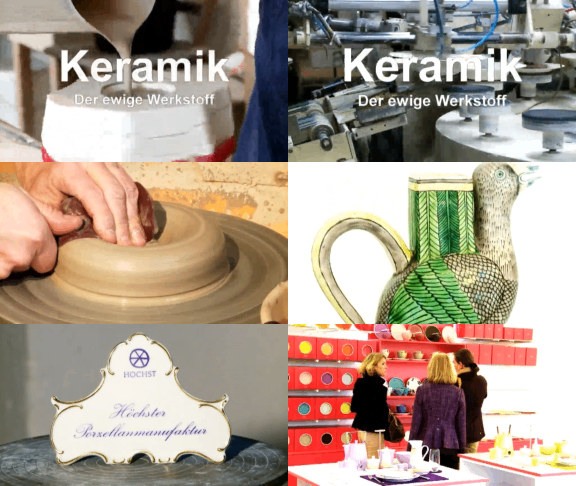
Ceramic
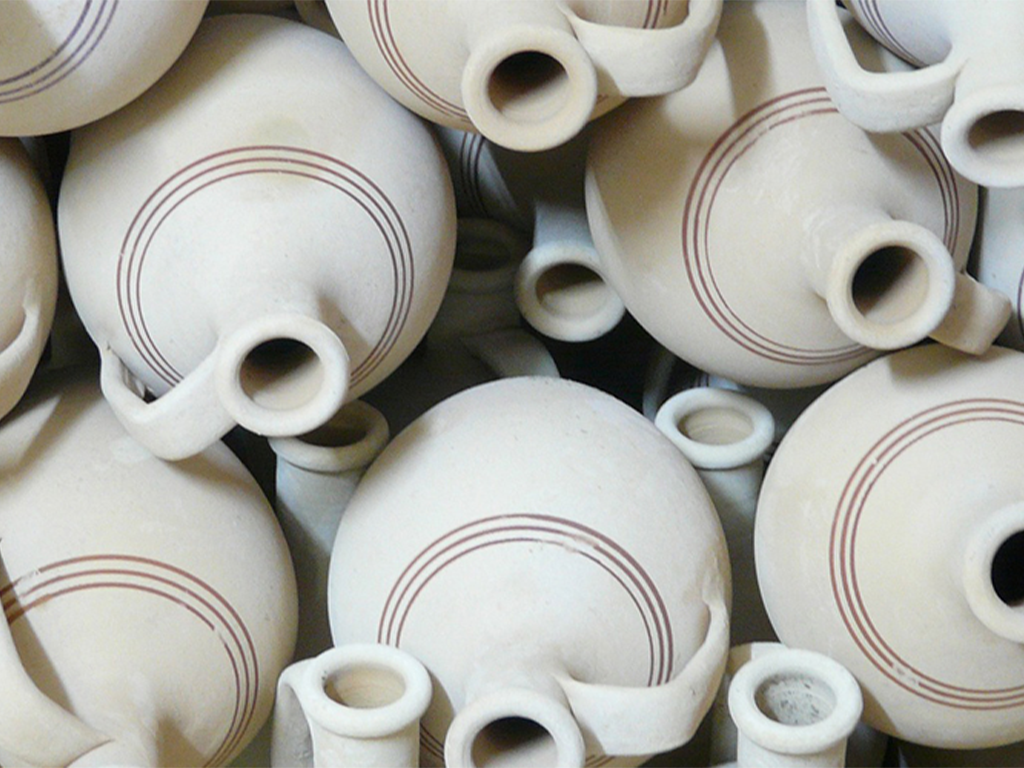
Ceramics are indispensable in our everyday lives. We eat from ceramic plates, drink from ceramic cups, use tiled ceramic bathrooms. But how is ceramic manufactured? The film reveals the secrets of this fascinating material! We get to know more about the beginnings of ceramic in the Old World of Egypt and Mesopotamia, about Greece, China and Rome. We gain interesting insights into the valuable earthenware and are also shown the exquisite further development of the "white gold". Today this versatile material is irreplaceable in industry, too. Whether in space or as an easily compatible substitute in medicine, ceramic is applied in many places.

Part Time Kings
Your children are not your children