







 Geography
4658313 / 5551733
Latvia
EU Member States
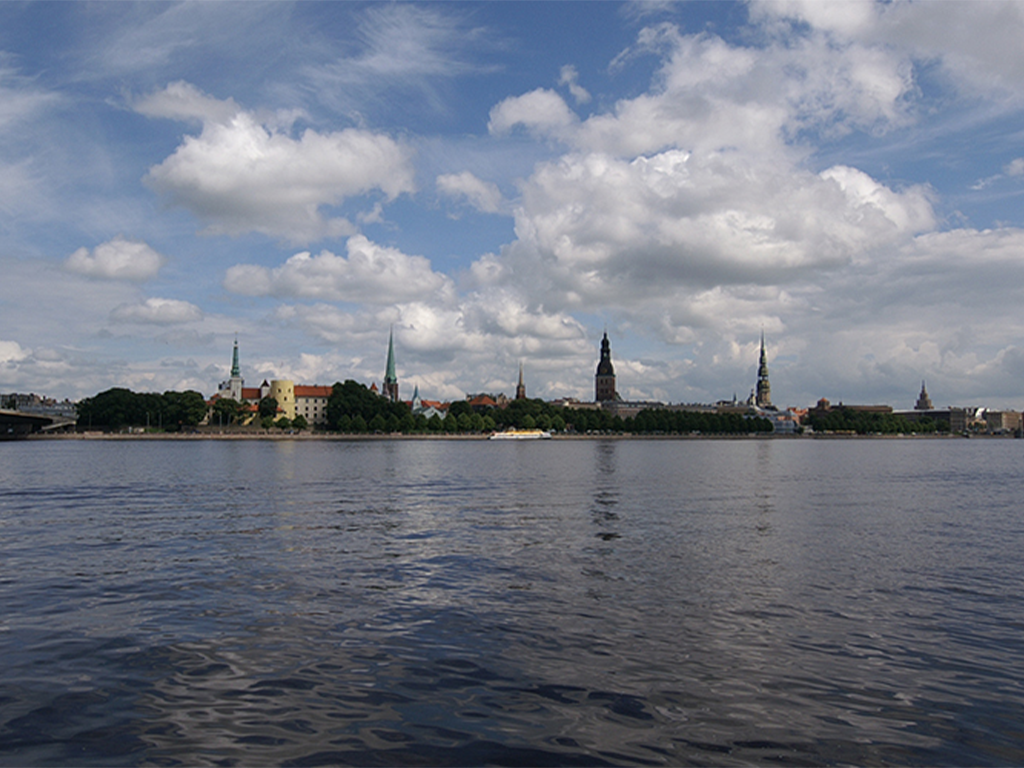
This DVD offers a clearly structured overview of Latvia focusing on the following aspects: Situation within the EU, size and inhabitants, landscapes (regional landscapes, mountains, rivers), fauna and flora (storks, natural parks), the climate, history (short survey) up to its present system of government, old and new relations with Austria, traffic, transport and infrastructure, economic structure (agriculture, industry, energy supply, tourism), important cities and sights, the capital and former Hanseatic city of Riga, religion, traditions, lifestyle, food and drink, language, education, culture and music. Outstanding shots, didactically arranged computer charts, animated maps as well as historical pictures give the pupils a comprehensive overview of the country and its inhabitants in a form appropriate for their age group.
Play trailer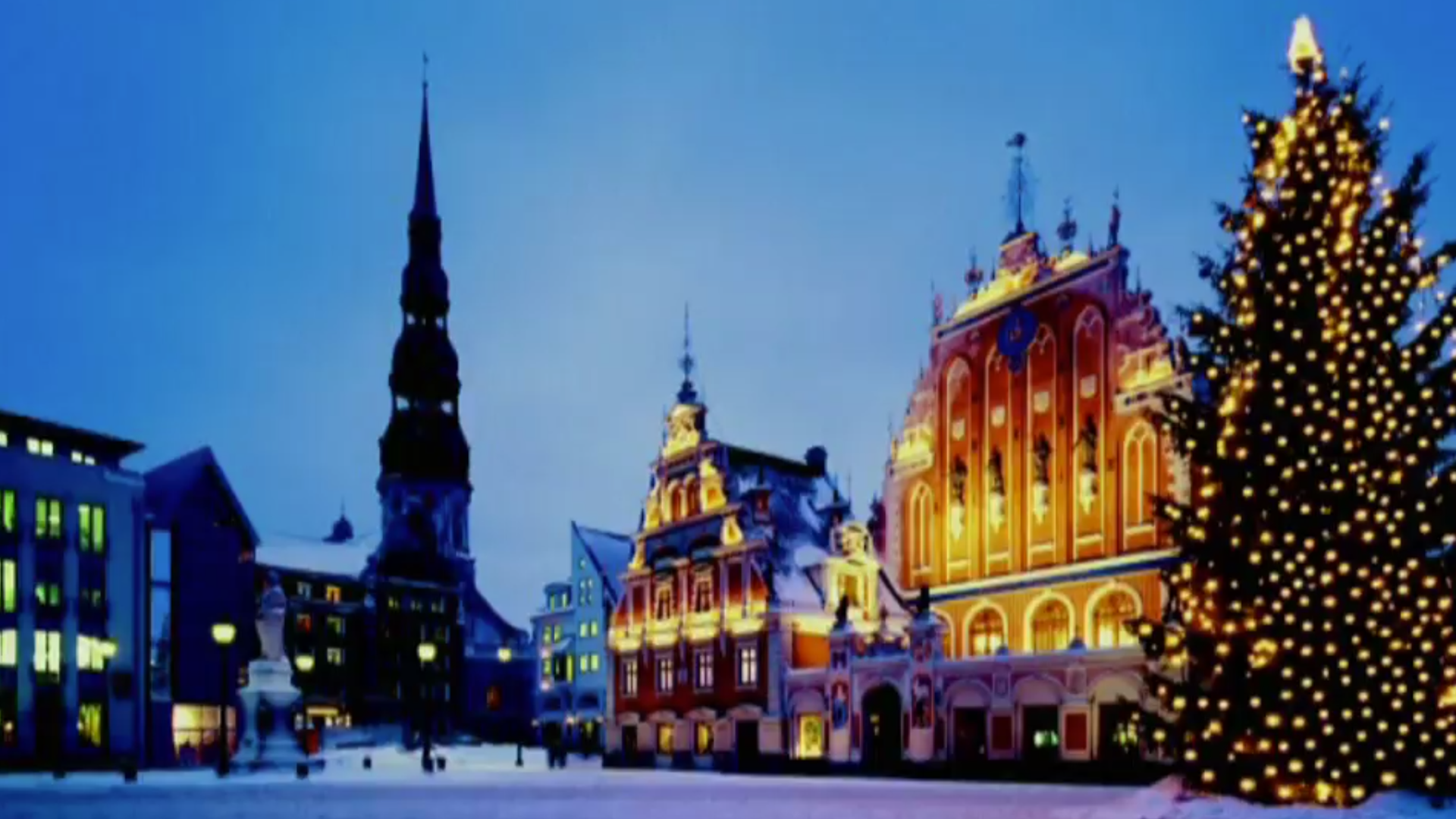
Curriculum-centred and oriented towards educational standards
Matching
Youth Movement
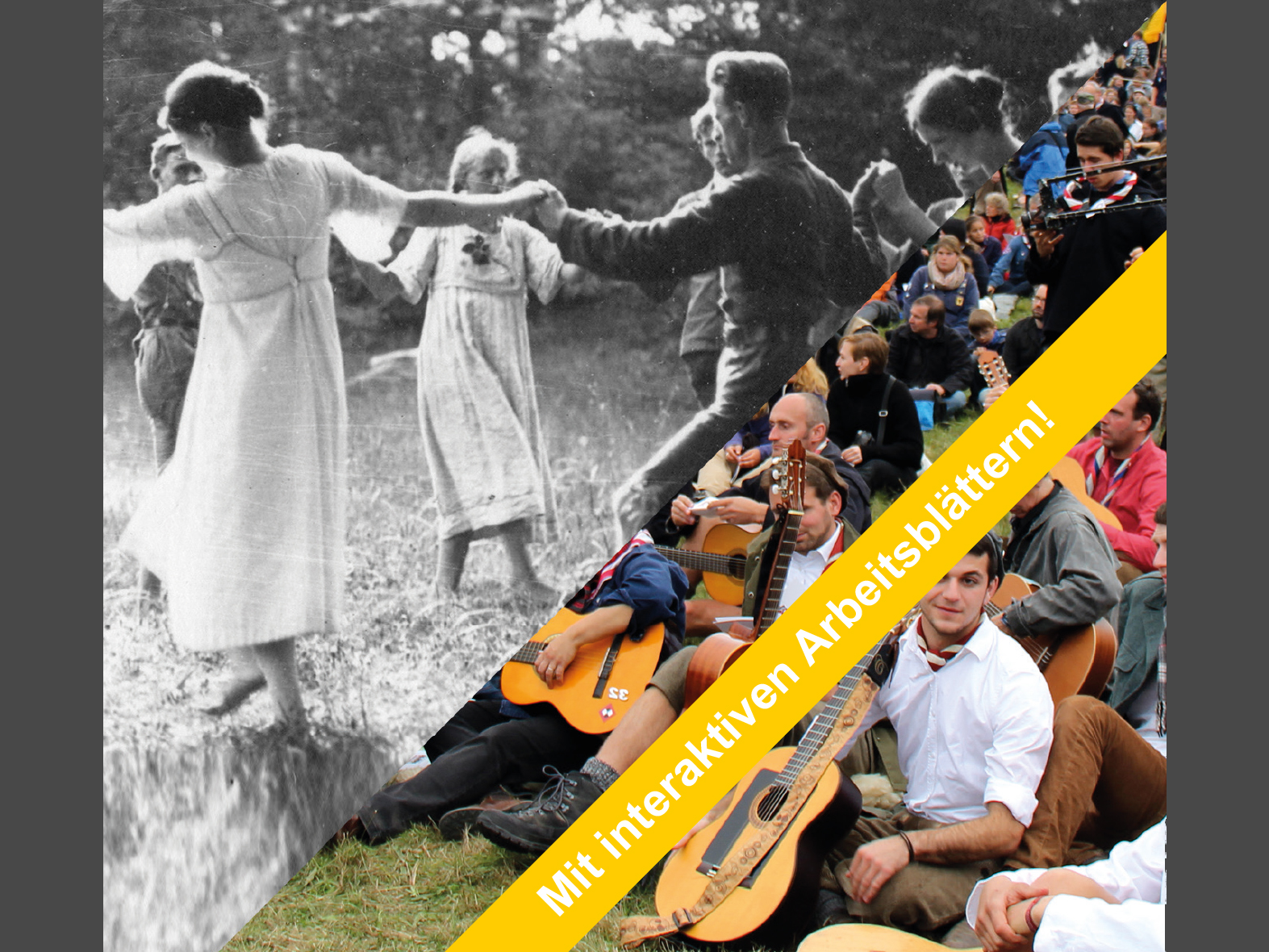
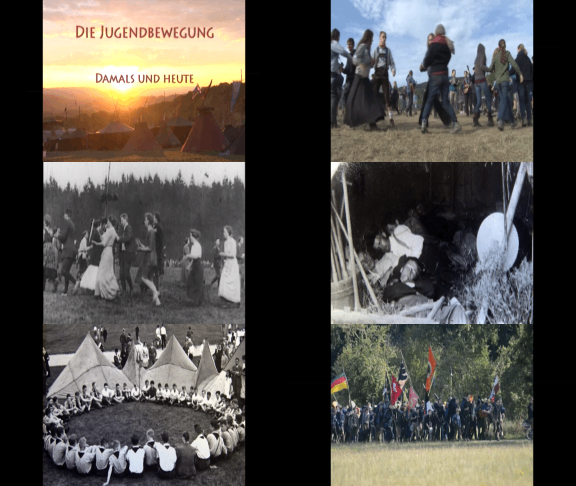
Dancing until your feet hurt: Here, at the meeting on the Hoher Meissner near Kassel, 3,500 participants from Boy Scout associations, youth and Wandervogel groups from all over the German-speaking region have gathered. They want to celebrate, simply get to know each other and commemorate a historic anniversary.

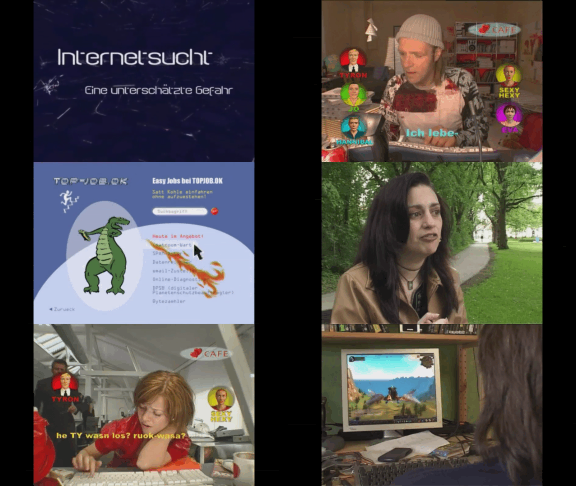
Internet Addiction
The film consists of two parts. The first part is the 15-minute short film “In the Net”. It describes the problem of excessive Internet use in a humorous way, in particular the risk of losing touch with reality when chatting. The second part illustrates with three real persons how Internet addiction can develop and the problems encountered by those who are afflicted. The authentic statements are commented by an experienced therapist. For many pupils, the issues addressed here are related to their everyday lives. What is a “sensible” use of the Internet, where does pathological addiction start? In contrast to addiction to alcohol, nicotine or drugs, the public seems to be largely ignorant of the problem of this addiction, which is not related to any substance abuse. The film provides material for discussion in the classroom (crossdisciplinary) and can be used as a basis for the formulation of prevention strategies.
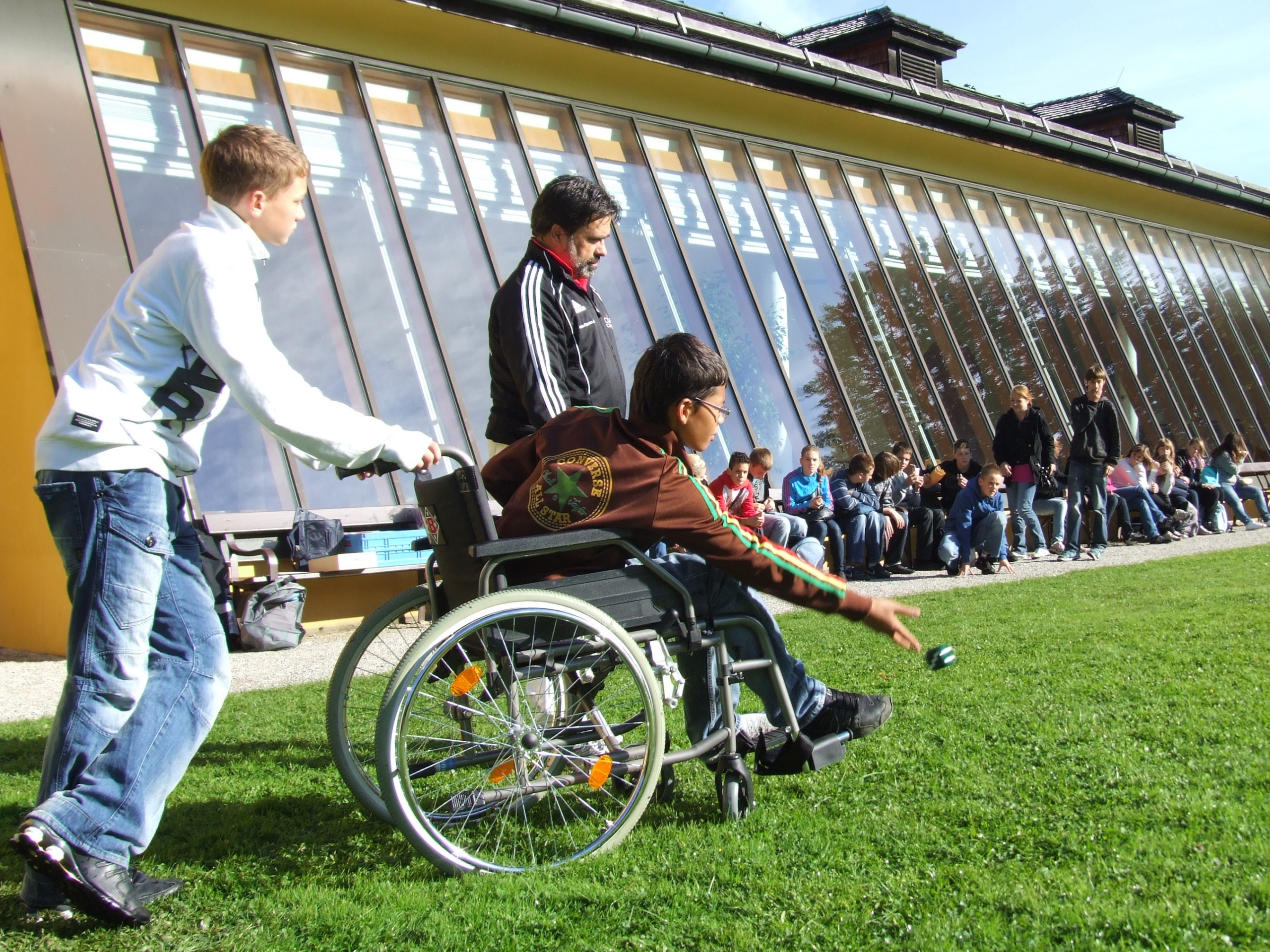
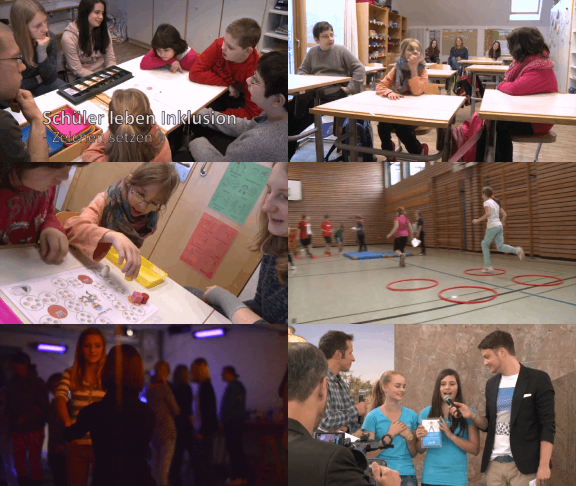
Pupils Practise Inclusion
When people come together, no matter under what concomitant circumstances – ultimately, it is about how these people meet and how openly they interact with one another.