







 History

46502145 / 55501770
Industrialization (Kopie)
Working Class Life in the Ruhr Valley
This DVD treats the different working and living conditions of people in the Ruhr valley around the year 1900 and refers to the thesis of the sociologist Li Fischer-Eckert. She conducted interviews with working class women on their living conditions in the workers’ housing estates in 1911 and 1912. Based on her findings, she divided the workers in four classes: The first one has a “cosy home without luxury or deprivations”, those in the second class live “on the verge of deprivation”, the poorer workers “are defeated by unfavourable conditions” and those in the fourth class live in “complete neglect”. With the kitchen-cum-living-rooms set up in the Ruhrland Museum, which are shown and described in the film in an impressive way, a direct insight is offered into the workers’ lives. Furthermore, work in heavy industry and mining, the strict reign of the employers as well as the changes in social policy and the workers’ fight for their rights are discussed.
Play trailer
Curriculum-centred and oriented towards educational standards
Matching
Product Piracy
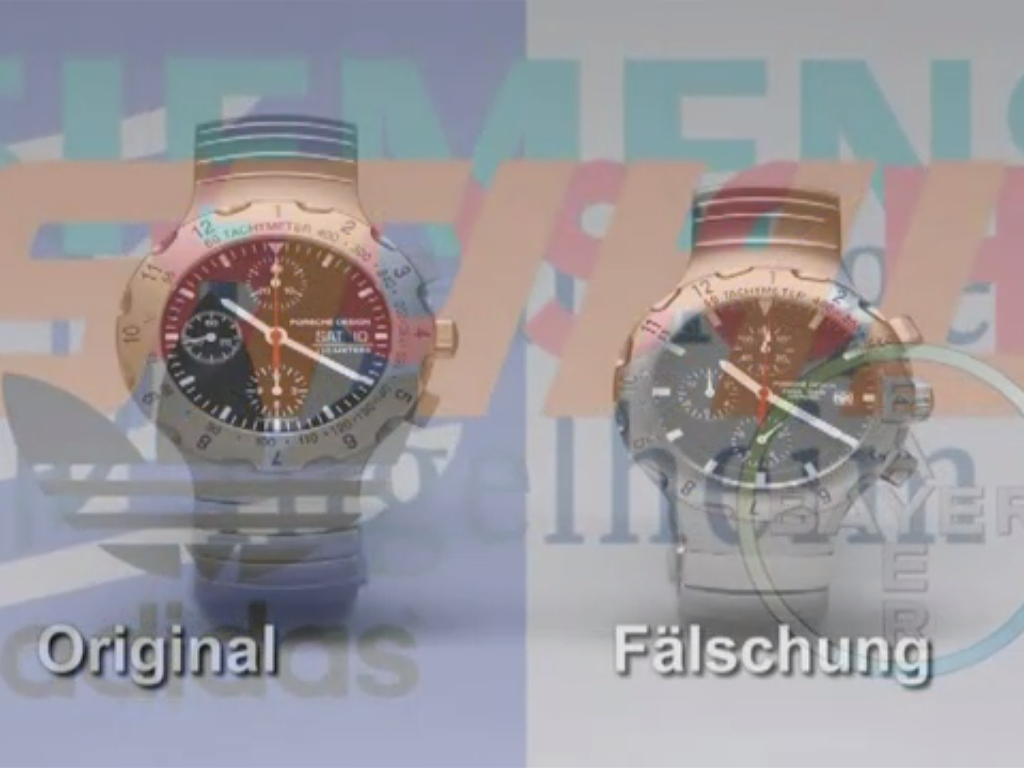
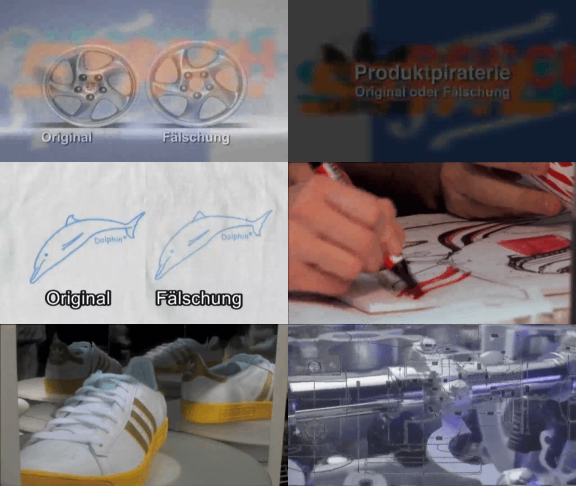
Counterfeiting takes place in almost all economic sectors – textiles, watches, car parts, machine parts, tools, accessories, software and medicines. Some counterfeits are easy to recognise, others are so well-executed that even experts have difficulty distinguishing between original and imitation. This DVD covers the development of a product from idea to manufacture. Once a product has become a trademark, product pirates appear on the scene.

Computer Games
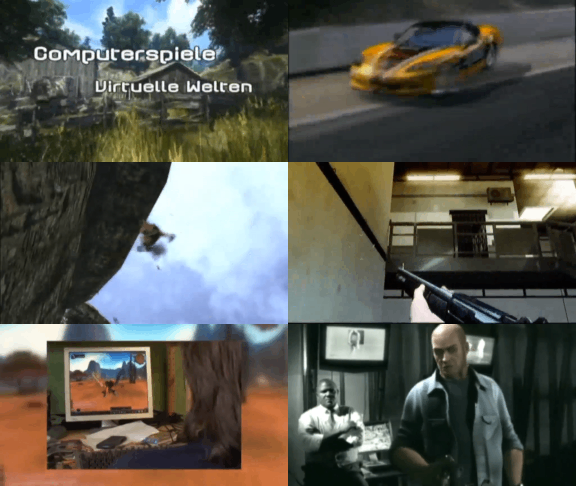
This film covers the topic of computer games in a variety of ways and from many different angles. Apart from the fascina- tion of computer games for users, the historical development as well as the production of computer games are described. The established genres are introduced, the guidelines of the German BPjM are explained. In light of recent public discussions, a neutral overview of the pros and cons of playing computer games is given, and different kinds of player behaviour are outlined. In this film, the pupils will recognise many aspects of their favourite pastime that encourage an independent, constructive use of this medium and reinforce their media competency. The film and teaching material are very closely related to the real-life situation.
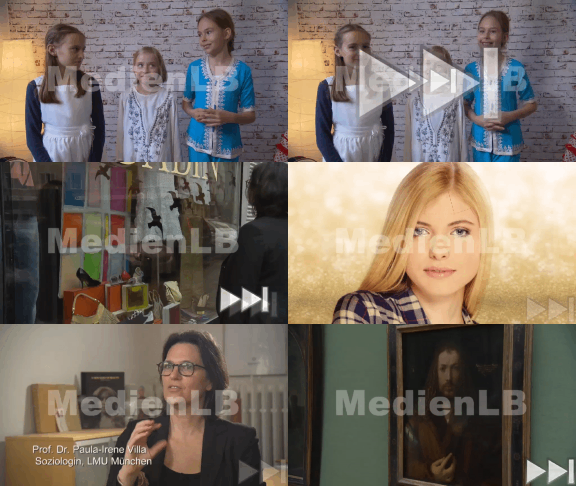
Ideals of Beauty
1. What Is Beautiful?