







55504742
Heimische Eulen
In unserem Arbeitsheft Biologie 4-6, Vol. 5, Artenvielfalt – Heimische Eulen finden Sie 50 interaktive und didaktisch aufbereitete Aufgaben.
Das Medium bietet H5P-Aufgaben an, die ohne zusätzliche Software verwendbar sind. Das Medium enthält interaktive Videos und 50 H5P-Aufgaben zum Thema Heimische Eulen.
Durch interaktive Aufgabentypen wird das audiovisuelle und interaktive Lernen einfach.
Lernen macht jetzt Spaß!
Included Tasks
- 1. Merkmale der Eulen - Video mit Aufgaben
- 2. Merkmale des Uhus - Video mit Aufgaben
- 3. Das Gefieder des Uhus - Video mit Aufgaben
- 4. Verhaltensmerkmale des Uhus - Video mit Aufgaben
- 5. Lebensraum und Bedrohung des Uhus - Video mit Aufgaben
- 6. Jagdrevier und Ernährung des Uhus - Video mit Aufgaben
- 7. Brut
- Aufzucht und Ernährung - Video mit Aufgaben
- 8. Abflug der Jungen des Uhus - Video mit Aufgaben
- 9. Der Uhu im Überblick - Video mit Aufgaben
- 10. Uhu (Bubo bubo) - Artenporträt (1)
- 11. Uhu (Bubo bubo) - Artenporträt (2)
- 12. Ordnung zu! - Merkmale der Eulen
- 13. Eulen - Interaktive Aufgaben (1)
- 14. Eulen - Interaktive Aufgaben (2)
- 15. Bartkauz (Strix nebulosa) - Artenporträt
- 16. Schnellraterunde - Bartkauz
- 17. Habichtskauz (Strix uralensis) - Artenporträt
- 18. Schnellraterunde - Habichtskauz
- 19. Raufußkauz (Aegolius funereus) - Artenporträt
- 20. Schnellraterunde - Raufußkauz
- 21. Schleiereule (Tyto alba) - Artenporträt
- 22. Schnellraterunde - Schleiereule
- 23. Schnee-Eule (Bubo scandiacus) - Artenporträt
- 24. Schnellraterunde - Schnee-Eule
- 25. Sperbereule (Surnia ulula) - Artenporträt
- 26. Schnellraterunde - Sperbereule
- 27. Sperlingskauz (Glaucidium passerinum) - Artenporträt
- 28. Schnellraterunde - Sperlingskauz
- 29. Steinkauz (Athene noctua) - Artenporträt
- 30. Schnellraterunde - Steinkauz
- 31. Sumpfohreule (Asio flammeus) - Artenporträt
- 32. Schnellraterunde - Sumpfohreule
- 33. Waldkauz (Strix aluco) - Artenporträt
- 34. Schnellraterunde - Waldkauz
- 35. Waldohreule (Asio otus) - Artenporträt
- 36. Schnellraterunde - Waldohreule
- 37. Zwergohreule (Otus scops) - Artenporträt
- 38. Schnellraterunde - Zwergohreule
- 39. Ordnung zu! - 2 Eulen als Puzzle (1)
- 40. Ordnung zu! - 2 Eulen als Puzzle (2)
- 41. Ordnung zu! - 2 Eulen als Puzzle (3)
- 42. Schnellraterunde - Eulen (1)
- 43. Schnellraterunde - Eulen (2)
- 44. Ordne die Namen den Eulen zu! - Interaktive Aufgabe (1)
- 45. Ordne die Namen den Eulen zu! - Interaktive Aufgabe (2)
- 46.
Curriculum-centred and oriented towards educational standards
Matching
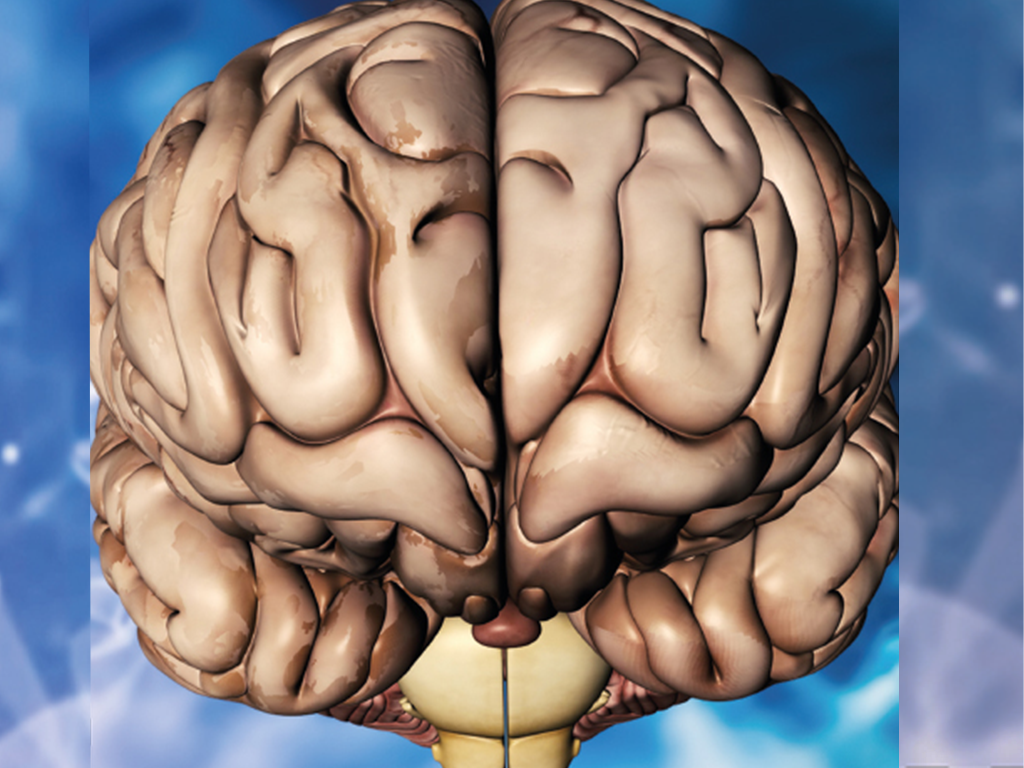
Human Brain
Every organism, no matter whether it is an earthworm, a snail, a fish or a human being, takes in information from the environment through differently structured sensory organs. This was absorbed first by a diffusely organised nervous system, which, in the course of evolution, has been replaced by a hierarchically organised one. Eventually a controlling centre has developed that interconnects and coordinates the nerve impulses supplied by receptors, reacts appropriately and is called the brain. In more highly developed organisms a part of the body has developed into a head, in parallel to the development of the brain.
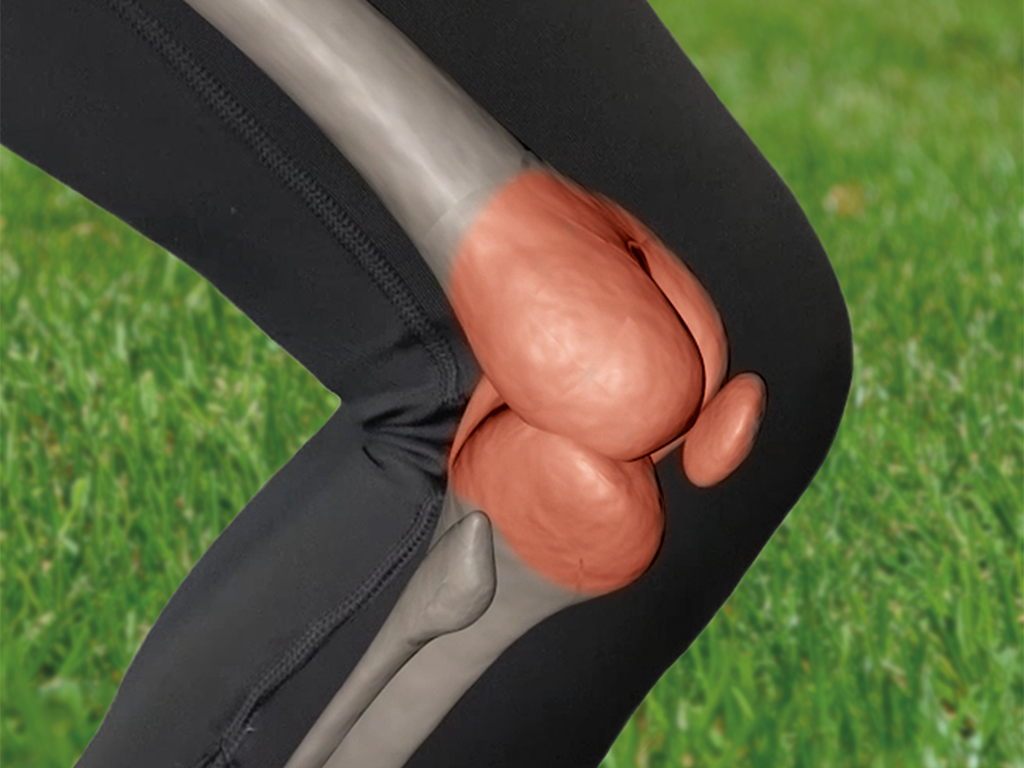
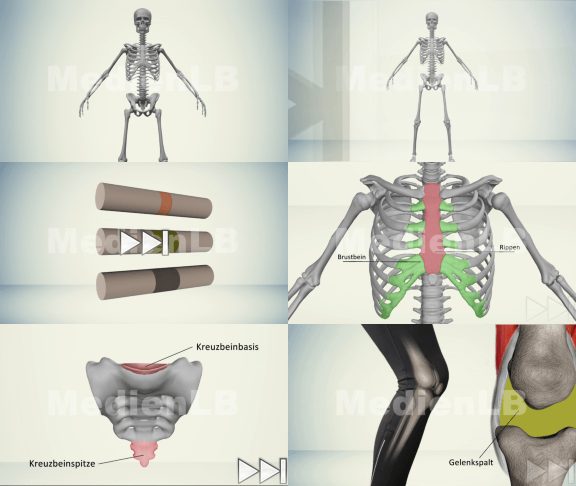
Joints
To begin with, we distinguish between so-called “real“ and “fake” joints.


Hidden Sugar
Sugar is ever-present in our lives.