







 History

4675576 / 5563720
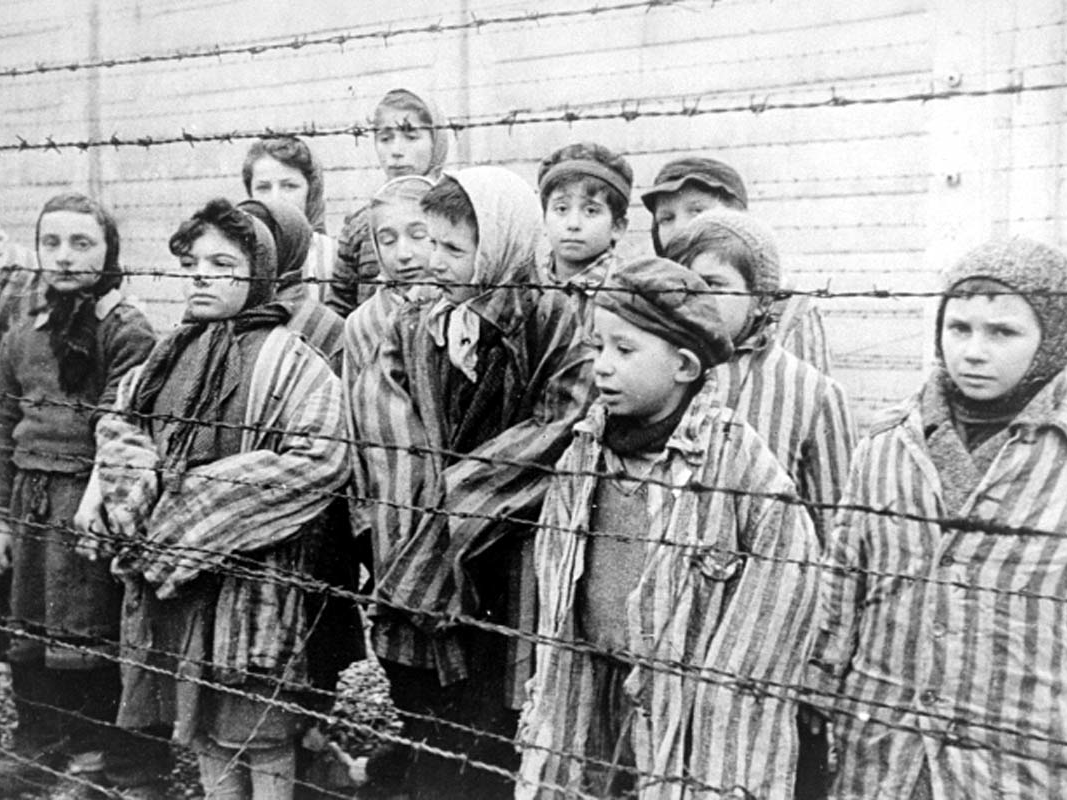
Genocide of the Third Reich
Shoah
Germany, 14th July 1933: Six months after Hitler’s so-called rise to power all parties were
banned with the exception of the National Socialist German Labour Party.
Now the total forcible coordination of political life in Germany was completed.
The new political model was based on the Führer cult, an emotional relationship between the Führer and the masses.
»… Hitler is Germany and Germany is Hitler …«
Hitler declared war on the principle of the equality of all people and wrote:
»It (i.e. National Socialist ideology) does by no means believe in an equality of races but along with their difference it recognises their higher or lesser value and feels itself obligated to promote the victory of the better and stronger, and demand the subordination of the inferior and weaker […]“
- <> Languages : DE, EN, TR
- <> Target Groups : Sek I, Sek II
- <> Subject : History
- <> Length : 27:16 min
- View in learning platform
Licenses

Curriculum-centred and oriented towards educational standards
Matching
The Daily Newspaper
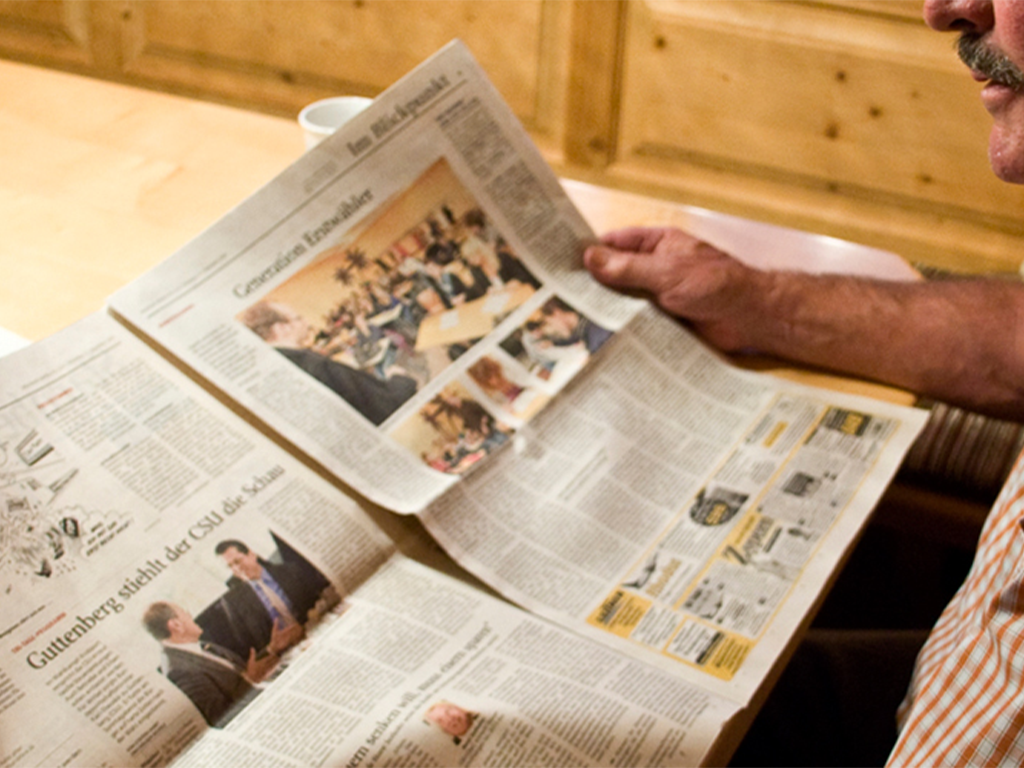
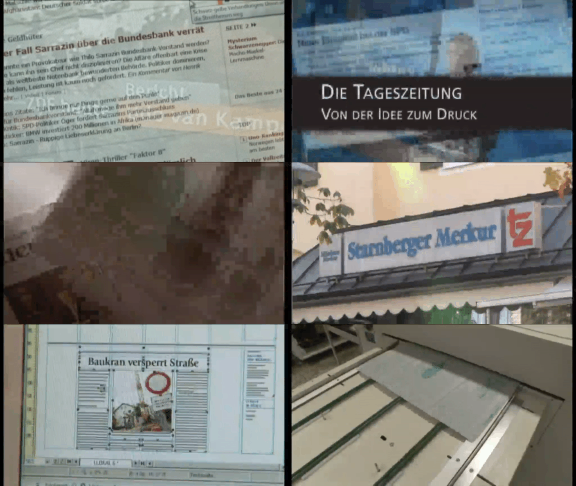
Every day, there is a surge of news reaching us via different news channels. In spite of TV and Internet, the daily paper still is one of the most important main sources of news. But how is a newspaper created? The film shows the production of a paper in the course of one day. Starting with the editorial meeting in the morning, in which the topics and deadlines are determined, the film accompanies a journalist during her research work. You can see how a journalistic interview is conducted and what the photographer must consider when taking a press photo. Back in the editorial office, the editor’s work is illustrated, which includes the page layout and the writing of an online article in today’s time. Impressive pictures from the printing centre depict the process from the digital page to the finished newspaper. Together with the comprehensive accompanying material, the DVD is perfectly suited for use at school
Youth Movement
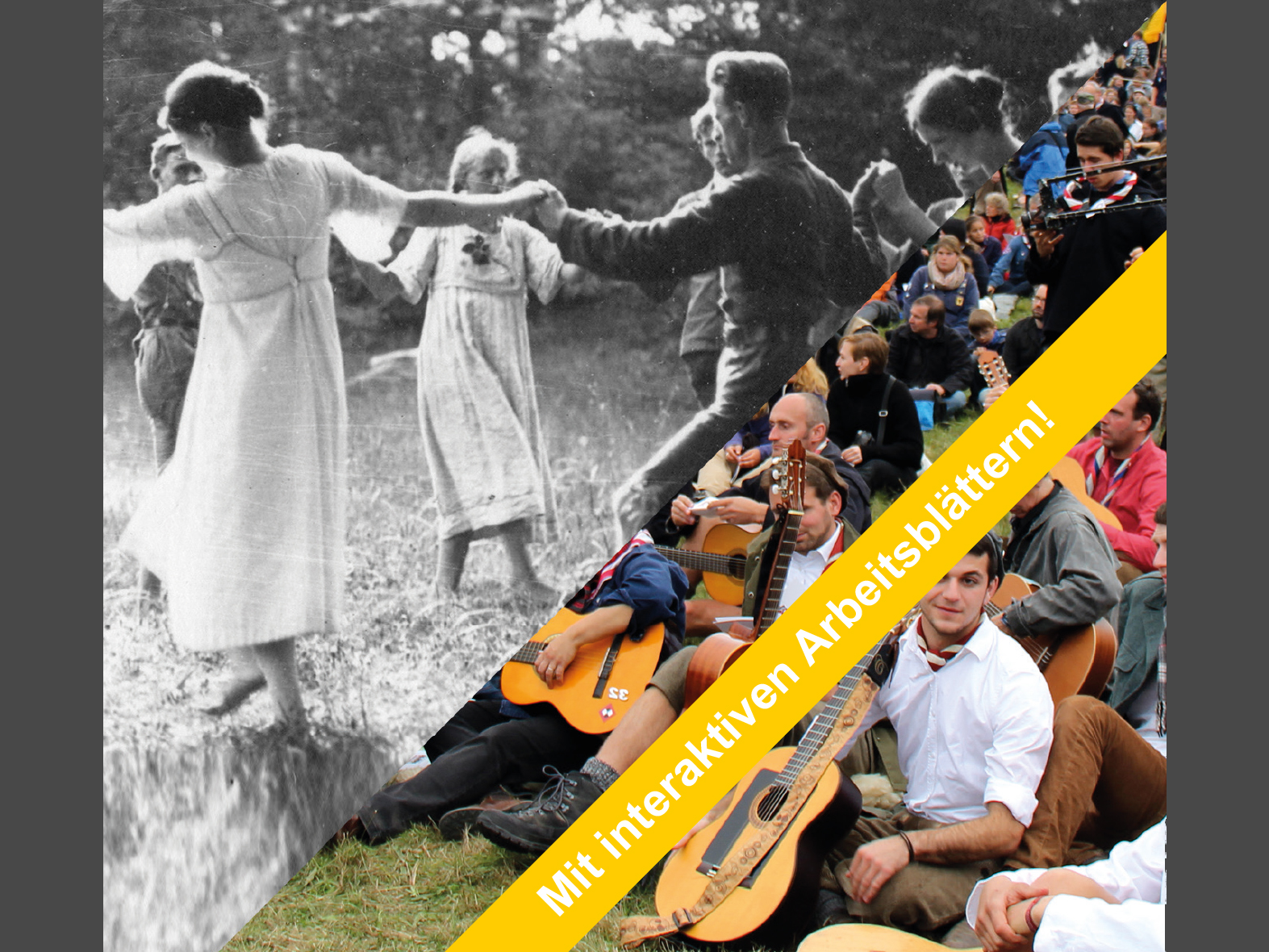
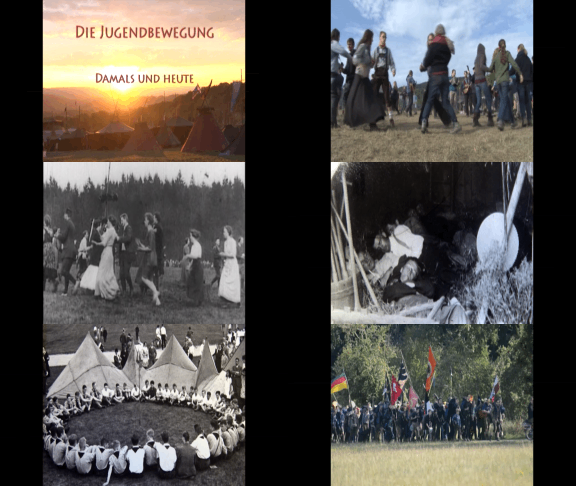
Dancing until your feet hurt: Here, at the meeting on the Hoher Meissner near Kassel, 3,500 participants from Boy Scout associations, youth and Wandervogel groups from all over the German-speaking region have gathered. They want to celebrate, simply get to know each other and commemorate a historic anniversary.

Podcasting
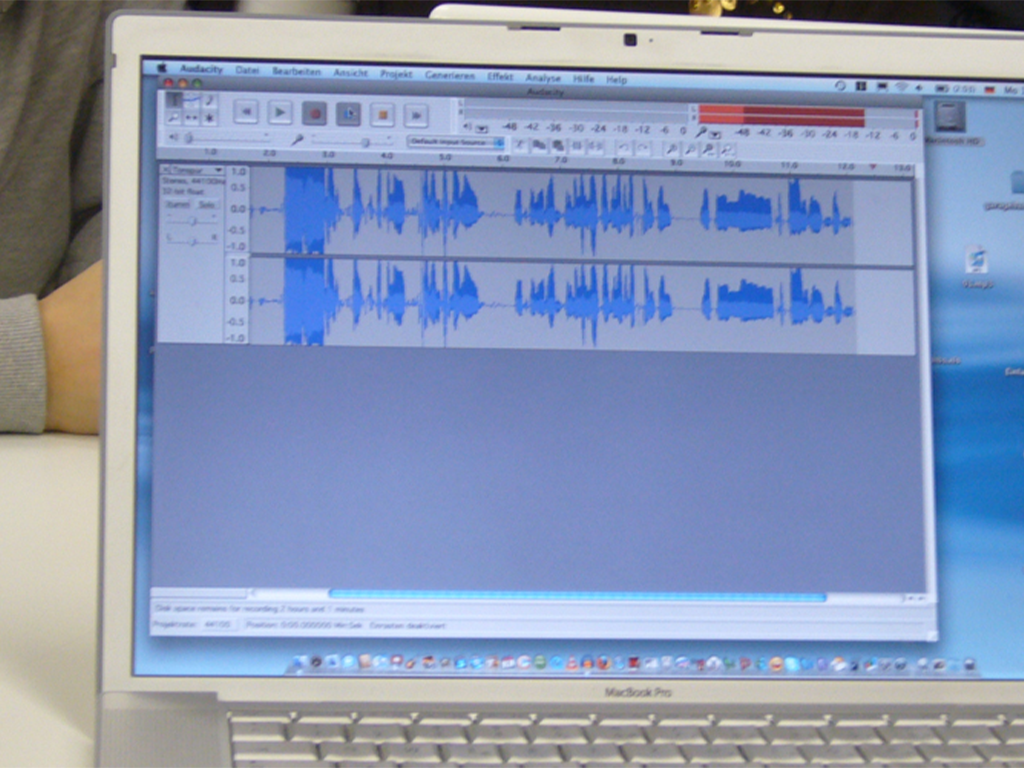
Today, the use of new media has become a matter of course not only in everyday life – schools and teaching, too, benefit from the new technologies and methods, which support active and independent learning. Especially in computer science, ethics and language courses but also in all other subjects, modern media are a valuable pedagogic and didactic asset. This DVD uses the example of podcasts to demonstrate how the possibilities opened up by new media can be applied in the classroom and how the pupils can be taught to handle them in a competent and target-oriented manner. The film is aimed at supporting the use of podcasts at school and encourages making them. This also requires the ability to find information on the Internet and assess it. The film informs on the functionality of podcasts and technical background as well as on the teaching and learning possibilities offered by podcasts – ranging from specific contents to superordinate learning targets such as the advancement of creativity and team spirit. The DVD is a useful support for teachers applying new media and wishing to show their pupils how to handle Running Time: 20:29 ms them in a sensible way.