







 Sports
4668255 / 5559746
Fahrrad
Umweltfreundlich bewegen
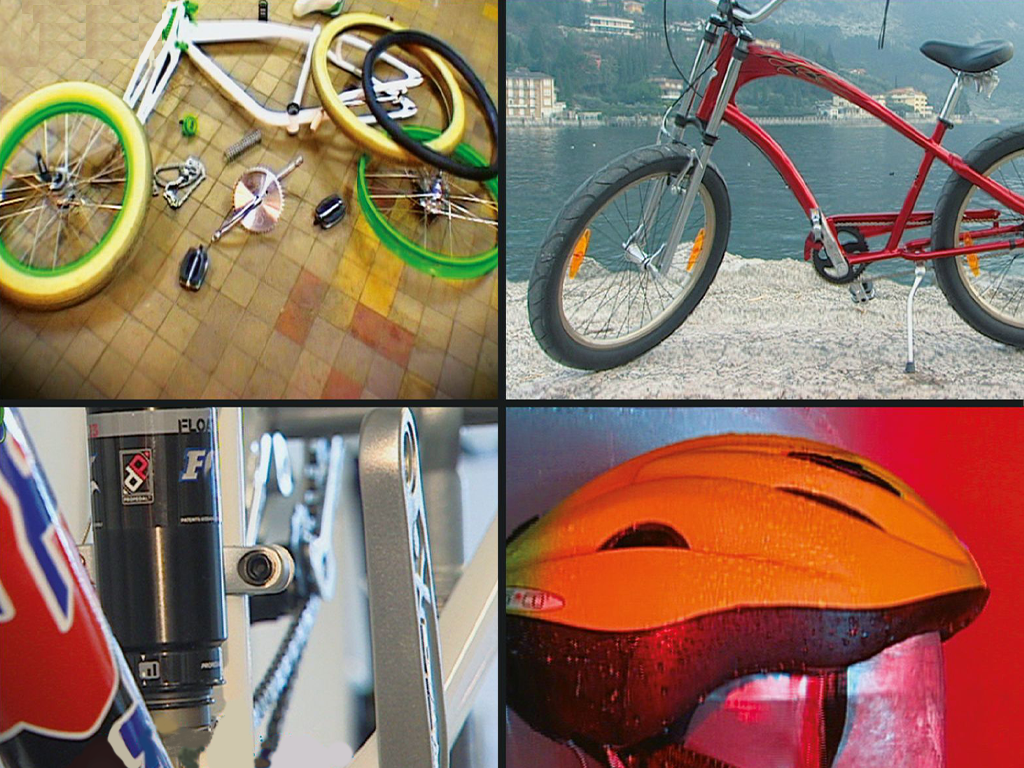
Das Fahrrad ist nicht nur das erste Individualverkehrsmittel gewesen, es ist bis heute auch das preiswerteste geblieben. Fahrradfahren ist zum Lieblingssport der Deutschen geworden. Fero Andersen macht auf dem Rennrad eine Rundtour um den Gardasee. Mit dabei ist ein Fahrradprofi und ein eher untrainierter Mensch – was passiert im Körper der drei Radler? Ist Fahrradfahren wirklich so gesund wie angepriesen und wenn ja, warum? Joey Grit Winkler nimmt mithilfe eines Profis die verschiedenen Fahrradtypen unter die Lupe und erklärt ihre Vorzüge: Rennrad, Mountainbike, Trekkingrad, Cruiser und Co. – für welches Terrain eignen sie sich am besten? Die Redewendung „Das ist wie das Fahrradfahren – das verlernt man nie!“ wird häufig verwendet. Wir gehen der Sache auf den Grund: Welche Fähigkeiten brauchen wir, um Rad zu fahren, und warum verlernen wir es nie? Ein modernes Fahrrad besteht aus Tausenden von Einzelteilen – wir zeigen, wie aufwendig die Produktion der heutigen High-Tech-Fahrräder ist und wie akribisch die Fahrräder getestet werden. Was muss ein Fahrrad alles haben, um in Deutschland eine Straßenzulassung zu erhalten? Außerdem in der Sendung: Wie viel hält ein Fahrradhelm aus? Wie schwer sind Fahrradschlösser zu knacken? Dazu gibt es die besten Tipps von einem Fahrraddoktor, wie man ein Fahrrad schnell und einfach repariert.
Play trailer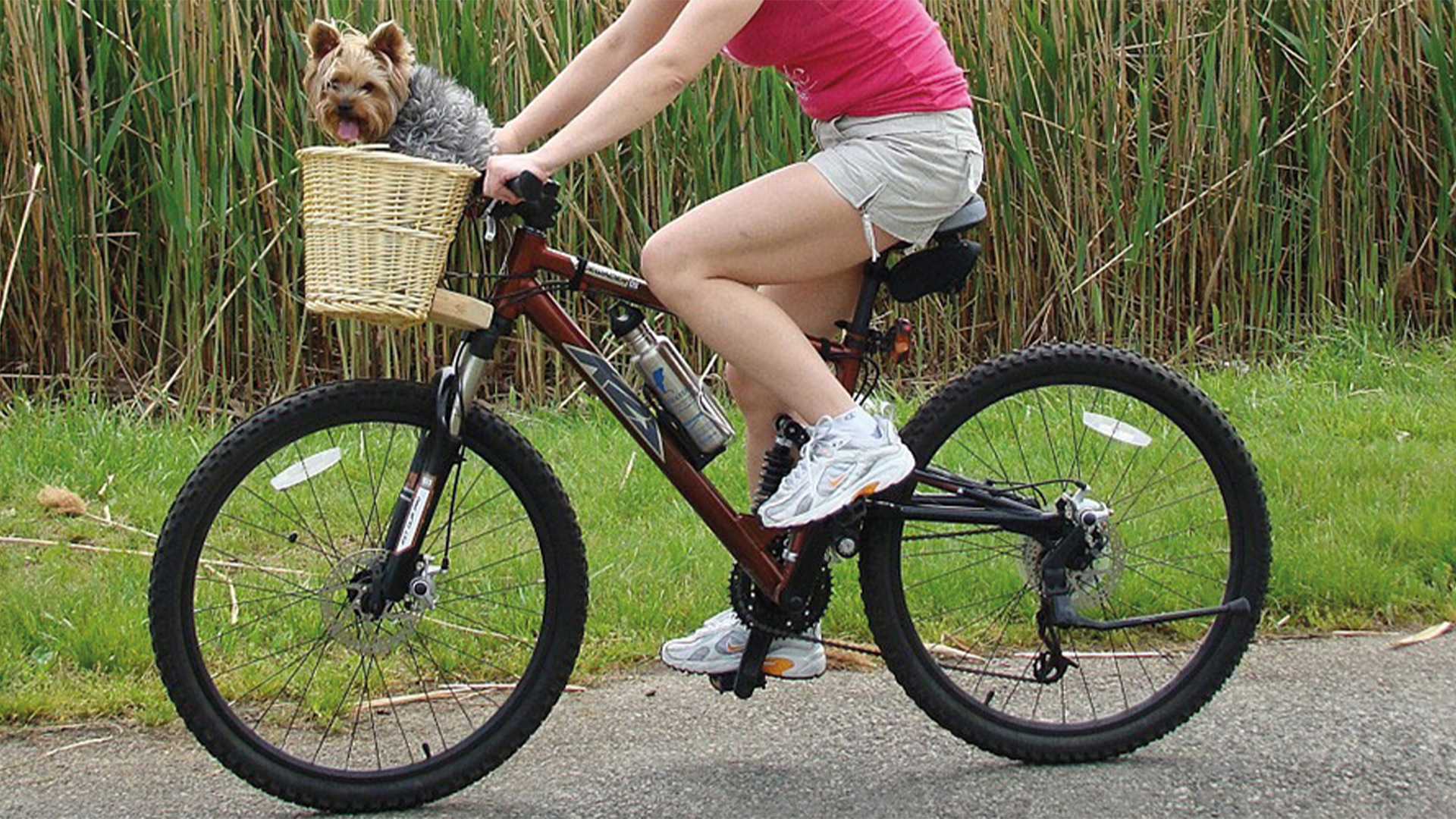
Curriculum-centred and oriented towards educational standards
Matching
Product Piracy
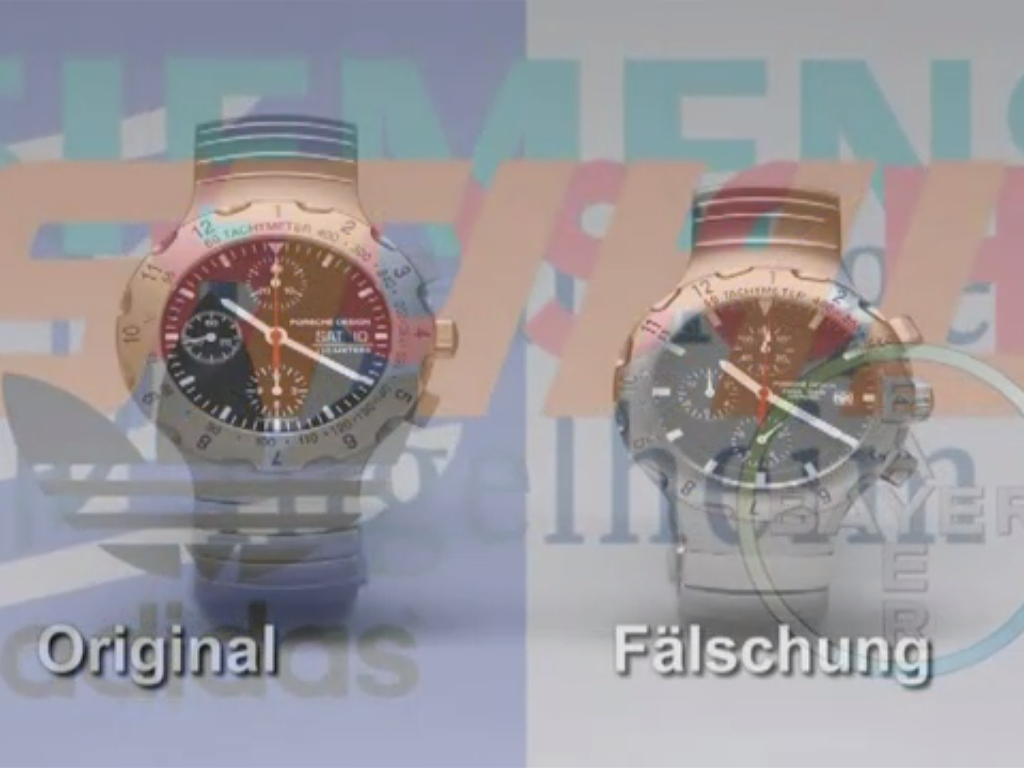
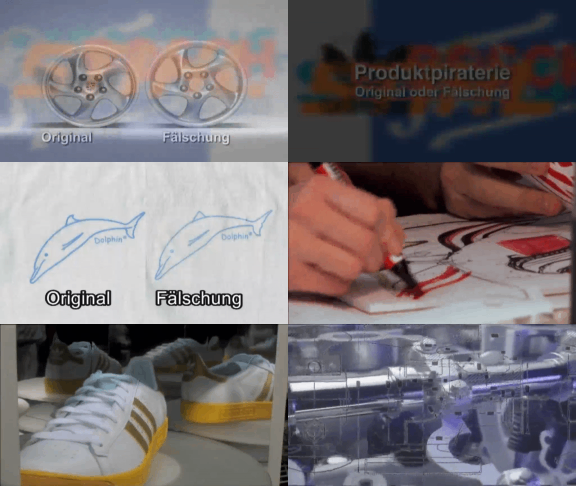
Counterfeiting takes place in almost all economic sectors – textiles, watches, car parts, machine parts, tools, accessories, software and medicines. Some counterfeits are easy to recognise, others are so well-executed that even experts have difficulty distinguishing between original and imitation. This DVD covers the development of a product from idea to manufacture. Once a product has become a trademark, product pirates appear on the scene.
Peer Mediation
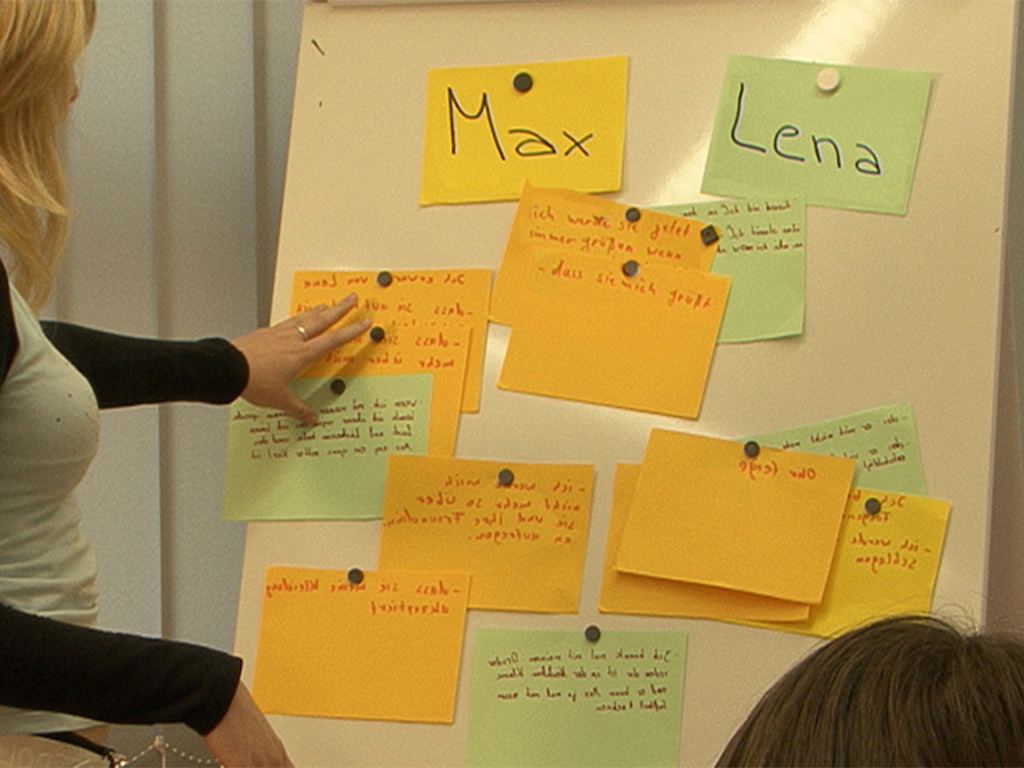
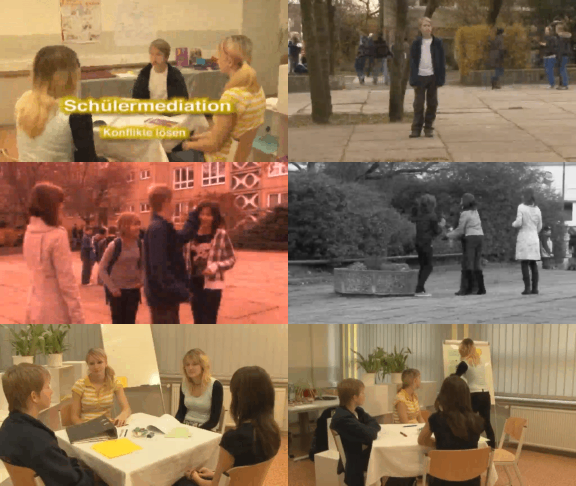
Lena and Max attend the 7th form. Max is new in class. During a break, Max notices that Lena and her friend are laughing at him again. Max loses his temper! He slaps Lena in the face. That hurts and Lena runs back into the classroom with a red cheek. The growing conflict between the two has escalated. Just like Lena and Max, every day pupils all over Germany have rows with each other. At the Heinrich Hertz Gymnasium in Thuringia, pupils have been trained as mediators for years. At set hours, they are in a room made available by the school specifically for mediation purposes. The film describes the growing conflict between Max and Lena and shows a mediation using their example. In doing so, the terms “conflict” and “peer mediation” are explained in a non-technical way. The aims of peer mediation and its progress in five steps as well as the mediators’ tasks are illustrated. The art of asking questions and “mirroring”, which the mediators must know, is described and explained. Together with the comprehensive accompanying material, the DVD is a suitable medium to introduce peer mediation at your school, too.
Part Time Kings
Your children are not your children