







 Physics, Primary School
4677058 / 5564353
Electricity
From Turbine to Socket
How is the electricity generated with which we power our appliances in everyday life?
The magic words are ‘charge‘ and ‘voltage‘.
Electricity is created when bodies have different charges. If you rub a balloon with a cloth and hold it close to your hair, the hair is attracted by the balloon. By friction the balloon is charged, thus a voltage is generated between the balloon and the hair. Objects that are differently charged attract each other and the voltage tends to balance itself.
As a rule, matter is neutral. That means the atoms bodies consist of have an equal amount of positive and negative charges. But if you rub specific materials like the balloon and the cloth here, the charges are separated. The electrons with their negative charge are transferred to one object, whereas the other object is charged positively.
However, as matter seeks a balance and wants to equalise the charges, the opposites attract each other. And the greater the separation of the charges, the higher the voltage, and the higher the voltage, the more objects are attracted and seek a balance.
You realise how important and self-evident electricity has become in our everyday lives only when it is no longer there.
At home, household appliances run by electricity would not work anymore. The refrigerator would not cool anymore, the heater would not heat anymore. No washing machine, no telephone, no television, no game consoles – and, of course, we would suddenly be plunged into darkness if the light went out. Even a flashlight would not help because it works with electricity as well even though this electricity does not come from the socket but from a battery. Without electricity we would actually be in the dark.

Curriculum-centred and oriented towards educational standards
Matching
Product Piracy
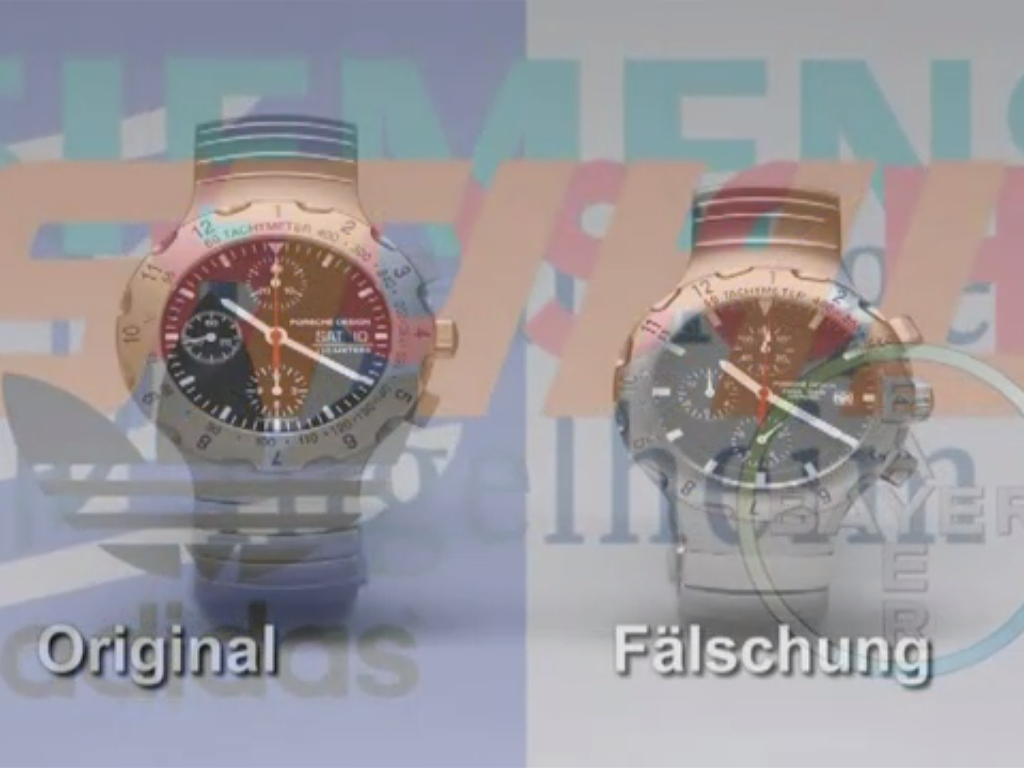
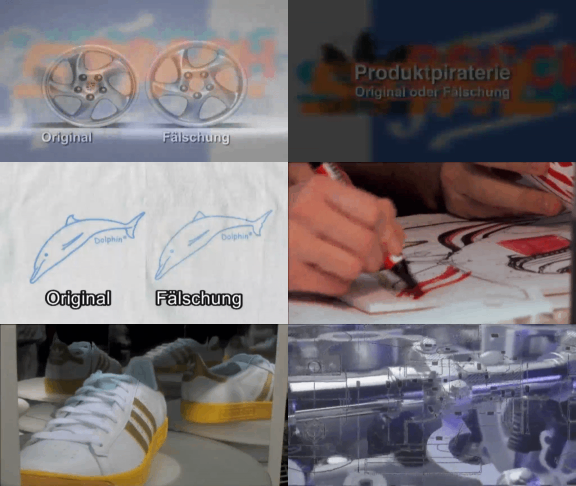
Counterfeiting takes place in almost all economic sectors – textiles, watches, car parts, machine parts, tools, accessories, software and medicines. Some counterfeits are easy to recognise, others are so well-executed that even experts have difficulty distinguishing between original and imitation. This DVD covers the development of a product from idea to manufacture. Once a product has become a trademark, product pirates appear on the scene.
Seal of approval
Quality seals such as the "Bio-Siegel", "Blauer Engel", "Stiftung Warentest" and up to 1,000 other seals represent characteristics such as sustainability, health or safety with regard to a product, a service or even a company.

Resuscitation
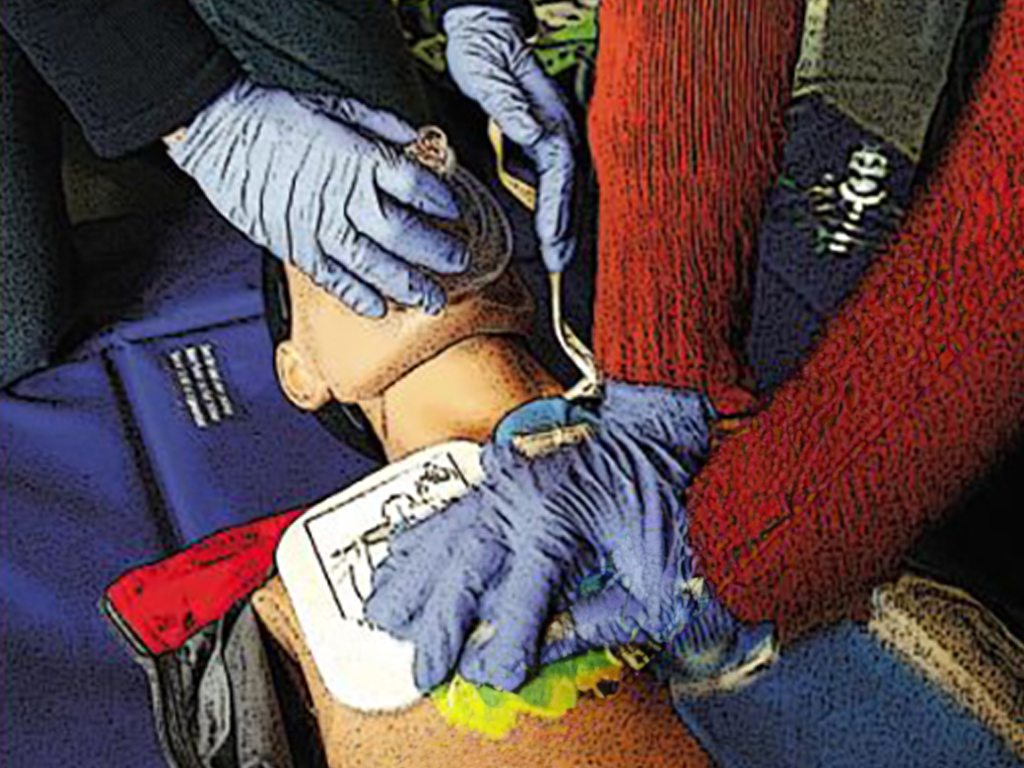
It can happen to anyone – of any age, in any place, at any time. Sudden cardiac arrest may quickly prove fatal. Immediate action is called for! Just remember: Check Call Press Anyone can do it. You can't do anything wrong!