







 History

46500898 / 55500654
Celts
History and Culture
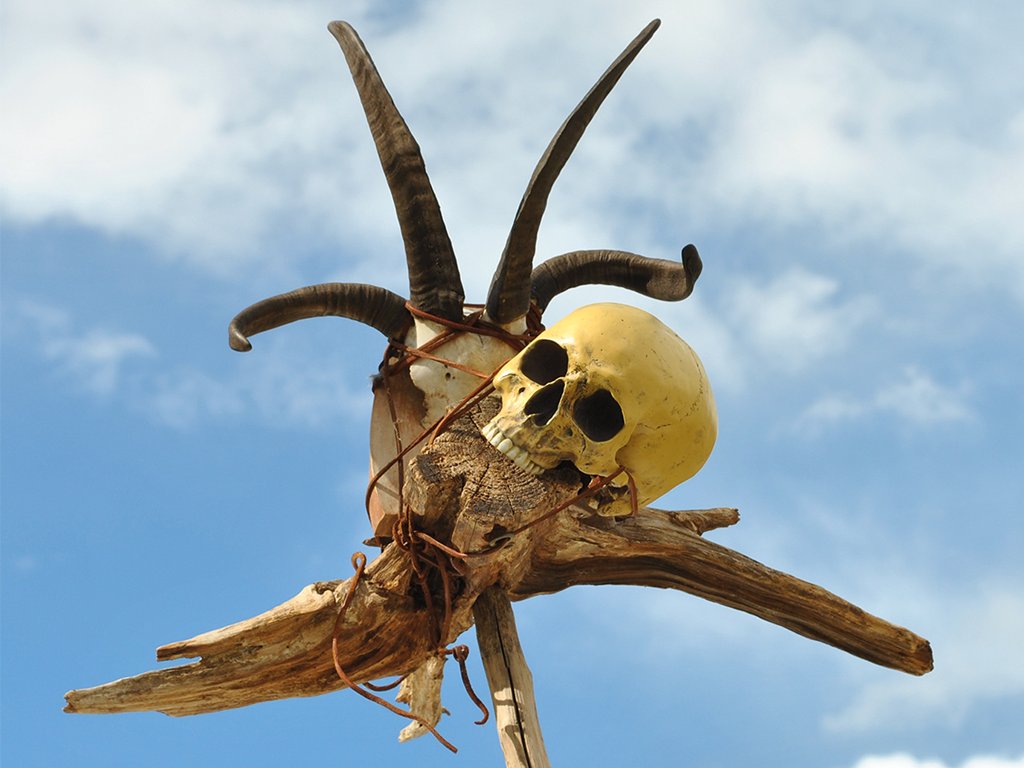
The term “Celts“ refers to a great number of different ethnic groups. So we do not speak of one “Celtic people”, at any rate not according to modern ethnic criteria, but rather of tribes within the circle of Celtic culture.
The so-called Celts were organised in tribes – and there were hundreds of them. Although tribal alliances were formed time and again in the course of history, they often waged war among each other.
Presumably, the term Celts was only a collective name used in ancient Mediterranean cultures for geographically widely dispersed tribes north of the Alps with similar languages, religions and customs.
The culture of the Celts is commonly considered nonliterate. It is presumed that they never developed a writing of their own and used letters of other cultures. As the few existing Celtic inscriptions have been almost untranslatable up to now, our knowledge of Celtic culture is derived from Greek and Roman authors – and they were hardly flattering because they saw the Celts and also other tribes or peoples from the point of view of their own culture which they deemed far superior and more civilised.
- <> Languages : DE, EN
- <> Target Groups : Sek I
- <> Subject : History
- <> Length : 26:00 min
- View in learning platform
Licenses

Curriculum-centred and oriented towards educational standards
Matching
Rights and Obligations
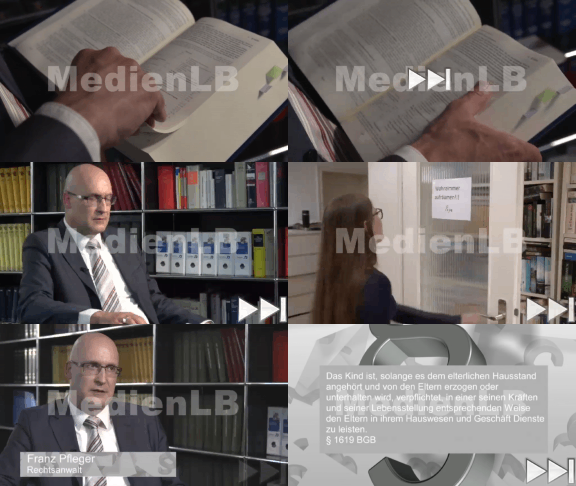
Three girls of different ages: Anna is 17, Paula 15 and Lena 13. Before the law, their respective ages have consequences – because children and adolescents have different rights and also obligations.
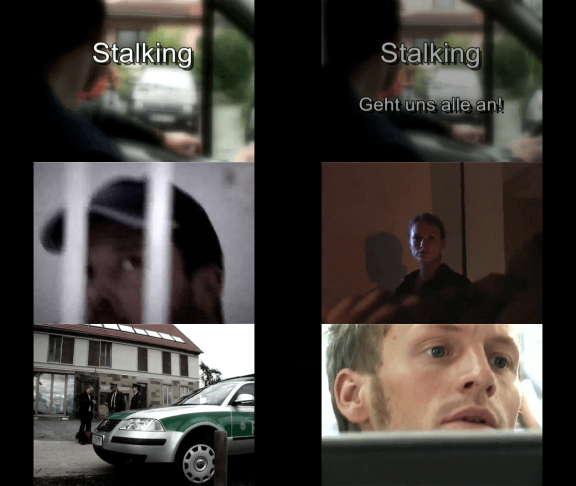
Stalking
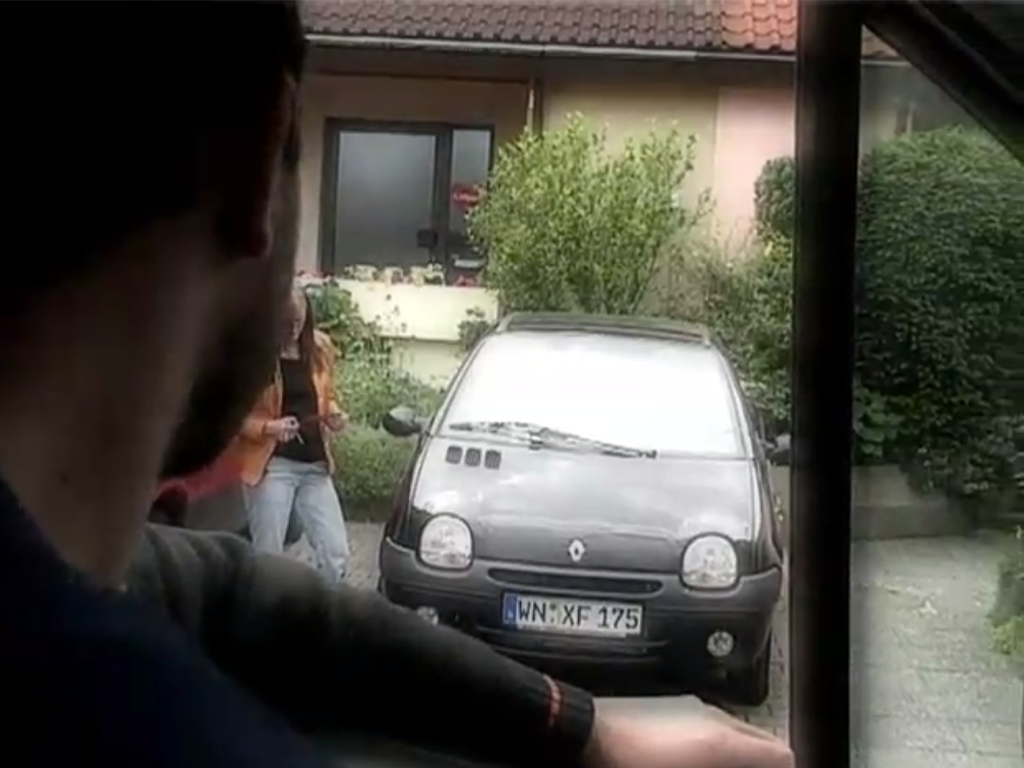
n Germany, 12 % of all federal citizens are pursued by a stalker once in their lives. And not only celebrities are among their victims! Everyone may be confronted with such a situation.
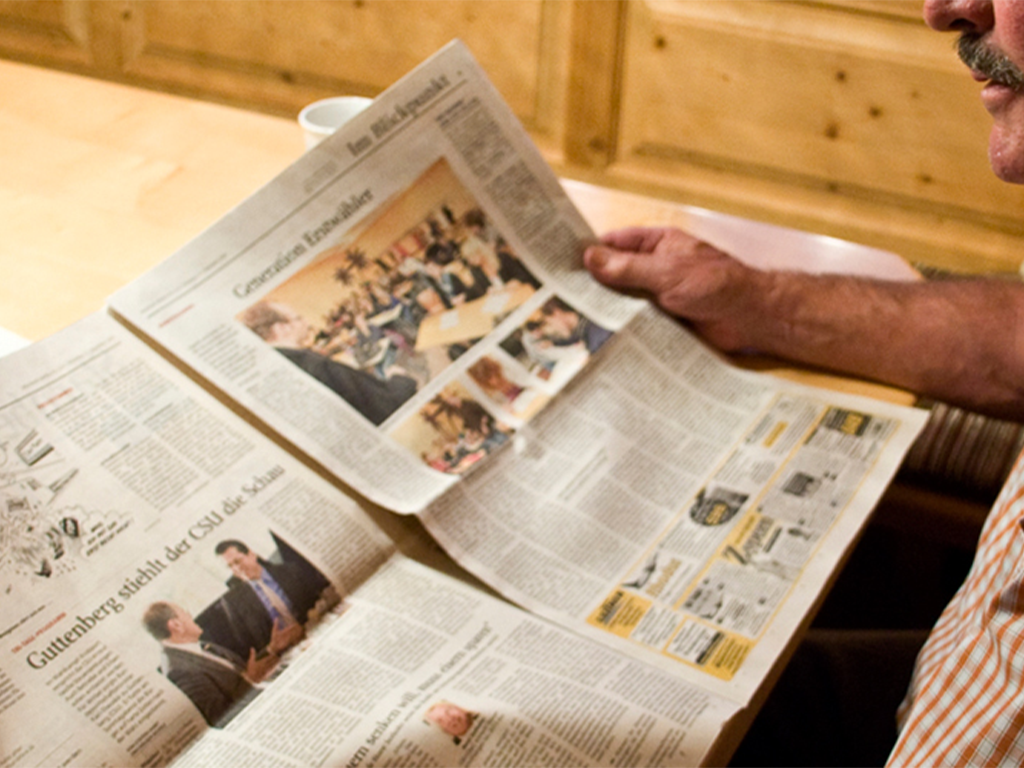
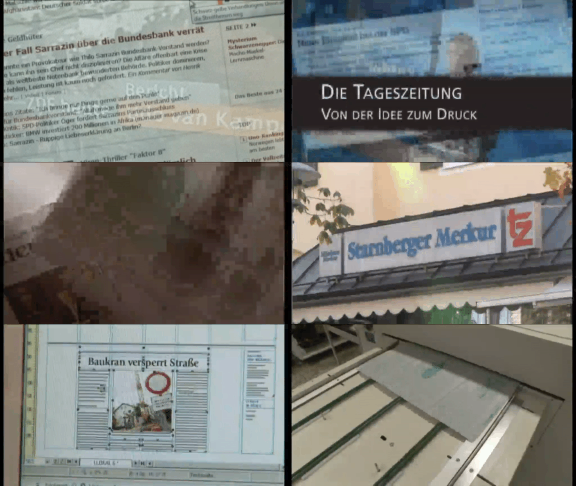
The Daily Newspaper
Every day, there is a surge of news reaching us via different news channels. In spite of TV and Internet, the daily paper still is one of the most important main sources of news. But how is a newspaper created? The film shows the production of a paper in the course of one day. Starting with the editorial meeting in the morning, in which the topics and deadlines are determined, the film accompanies a journalist during her research work. You can see how a journalistic interview is conducted and what the photographer must consider when taking a press photo. Back in the editorial office, the editor’s work is illustrated, which includes the page layout and the writing of an online article in today’s time. Impressive pictures from the printing centre depict the process from the digital page to the finished newspaper. Together with the comprehensive accompanying material, the DVD is perfectly suited for use at school