






 Biology
4670848 / 5560954
Angst und Phobien
Verschiedene Formen der Angst
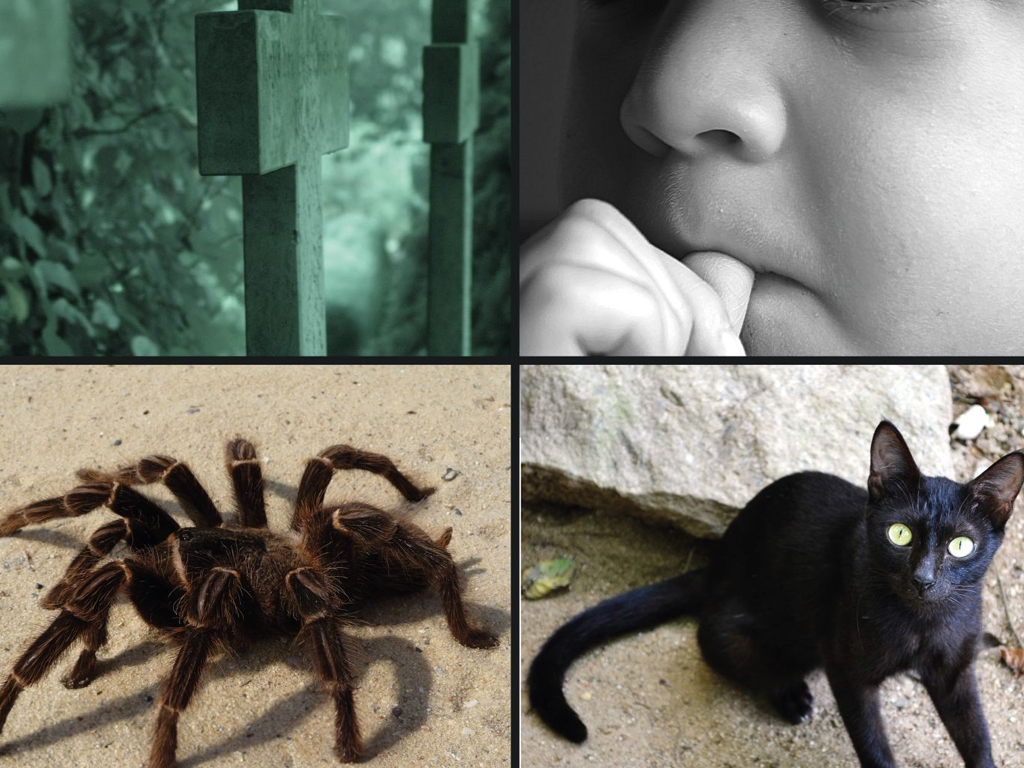
Das Herz klopft, der Puls geht schneller, Schweiß bricht aus: Angst gehört zur „Grundausstattung“ unserer Gefühle, warnt uns vor gefährlichen Situationen und setzt unseren Körper in Alarmbereitschaft. So können wir instinktiv richtig reagieren, ohne groß nachzudenken. Angst ist ein Urinstinkt, der uns schützen soll.
Wenn in uns alles schreit und wir nur noch weglaufen wollen, zum Beispiel vor Prüfungen, erwacht in uns das wilde Tier. „Schau dich schlau!“ zeigt, was Angst überhaupt ist und welche Mechanismen in unserem Inneren ablaufen. Manche Menschen haben Angst vor Dingen, vor denen man eigentlich gar keine haben müsste. Zum Beispiel vor Telefonen, Staubsaugern, Schnecken, Glatzen, Pflastern oder Brücken – die Liste ist endlos.
Für Menschen, die an einer sozialen Phobie leiden, wird sogar der ganz normale Alltag zum Spießrutenlauf. Vielfach erkennt der Arzt die Erkrankung nicht oder die Betroffenen begeben sich erst gar nicht in Behandlung, um nicht mit dem Stigma „psychisch krank“ versehen zu werden. „Schau dich schlau!“ zeigt, wie Phobien entstehen und welche Therapie die sinnvollste ist.
Außerdem testet Joey Grit Winkler, welche Hormone uns beim Angst-Kick beim Tandemsprung glücklich machen – und was im Körper vor dem Sprung und während des Flugs passiert.
Curriculum-centred and oriented towards educational standards
Matching
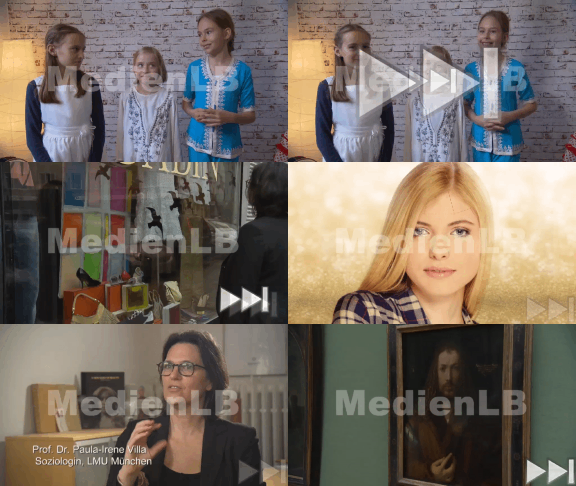
Schönheit
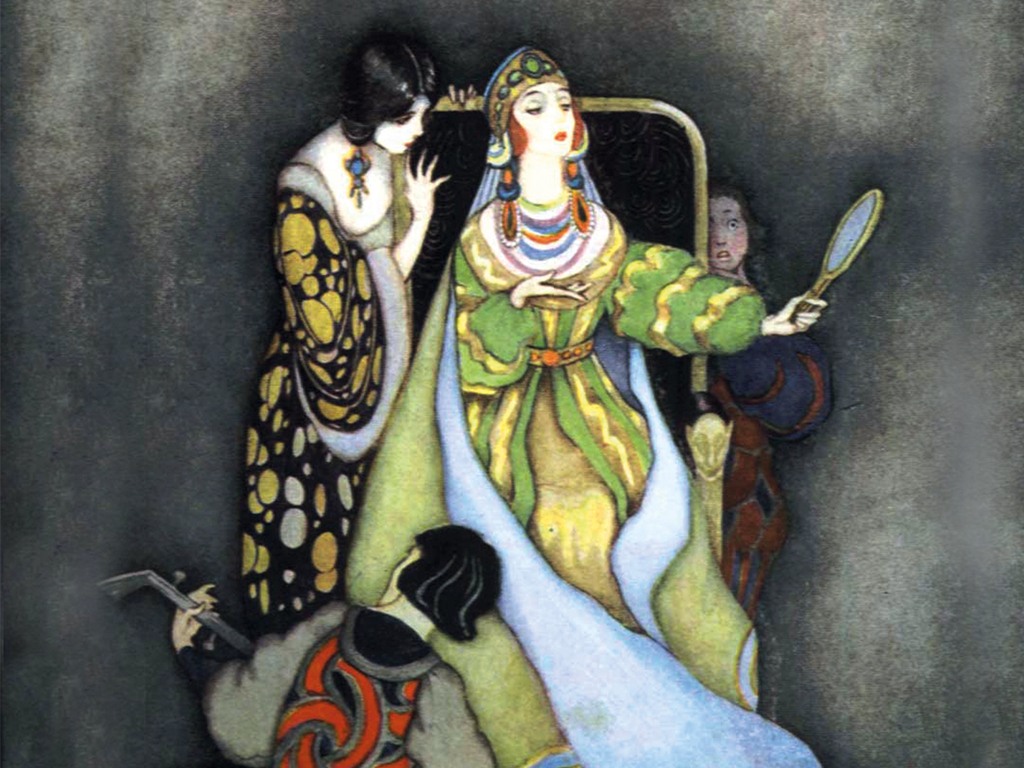
Sie entsteht im Auge des Betrachters, dennoch ist sie messbar. Es gibt sie innen wie außen.

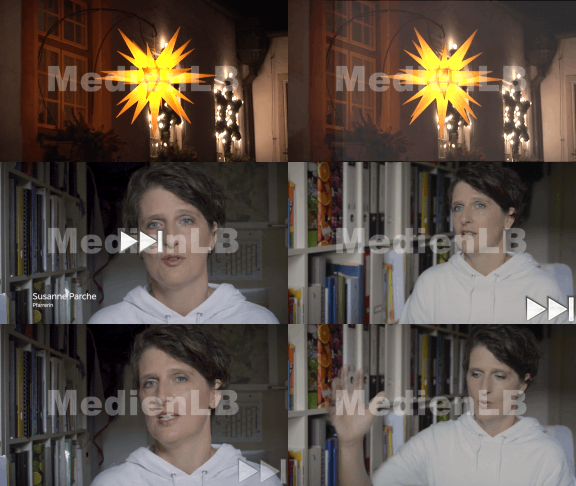
Gedenk- und Feiertage
Feiertage gibt es in allen Kulturen. Es sind Festtage mit entweder gesellschaftlichem, religiösem oder politischen Hintergrund. Diese Feiertage finden jährlich an einem festgelegten Tag statt. In Deutschland gibt es Feiertage, an denen flächendeckend nicht gearbeitet wird. Hierbei handelt es sich um gesetzliche Feiertage. Bei anderen Feiertagen, meist mit religiösem Hintergrund, entscheiden die Bundesländer individuell, ob es sich um einen tatsächlich arbeitsfreien Tag handelt. Im Film beschrieben werden nicht nur Feiertage in Deutschland, sondern auch z.B. islamische Feiertage, oder der Christopher Street Day als politisches Statement.