







 Primary School
4665849 / 5558084
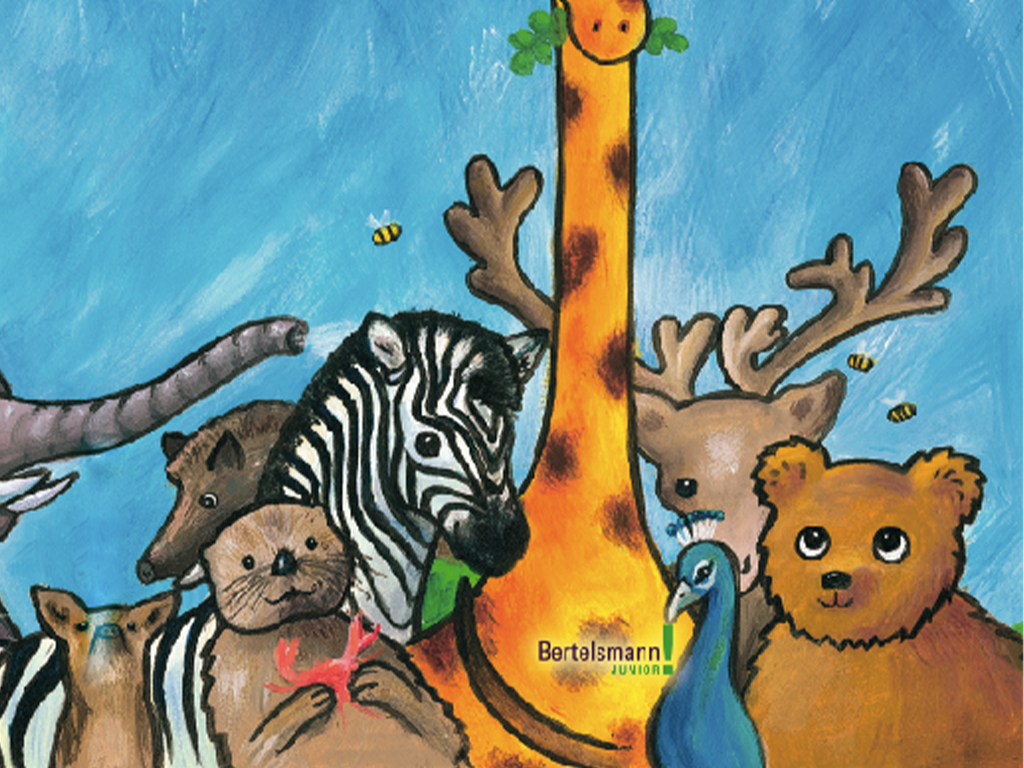
A wie Affe, B wie Bär
Tierische Reise durchs Alphabet
Wir, Tiere der Welt, manche groß, manche klein, laden dich ganz herzlich zu uns ein.
Lern’ uns kennen, hör’ gut zu, wir sind alle ganz lieb, das lernst du im Nu!
Von A bis Z sind alle da, auch der Dackel, der Hai und der Jaguar.
Wer liebt Honig und friert nie, wem schlottern vor keinem Hund die Knie?
Wer will immer hoch hinaus, vor wem passt man lieber ganz gut auf?
Rätst du unsere Namen? Weißt du, wer wir sind? Die Lösung erkennst du im Film ganz flink.
Ob im Wald, im Wasser, unter der Erde, allein, zu zweit oder als Herde.
Du wirst uns alle im Film entdecken, lass dich bloß nicht von den Wilden erschrecken.
Das ABC lernst du mit uns ganz leicht, wir freuen uns auf dich – bis gleich!
Gemeinsam mit dem umfangreichen Begleitmaterial bietet die DVD eine hervorragende Möglichkeit, die Kinder spielerisch an die ersten Schulinhalte heranzuführen. Sie lernen mit viel Spaß und Spiel, Laute und Buchstaben zuzuordnen.
Play trailer
Curriculum-centred and oriented towards educational standards
Matching

Rights and Obligations
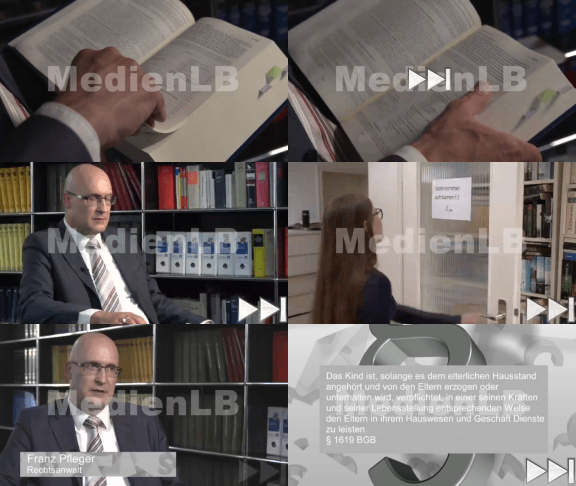
Three girls of different ages: Anna is 17, Paula 15 and Lena 13. Before the law, their respective ages have consequences – because children and adolescents have different rights and also obligations.
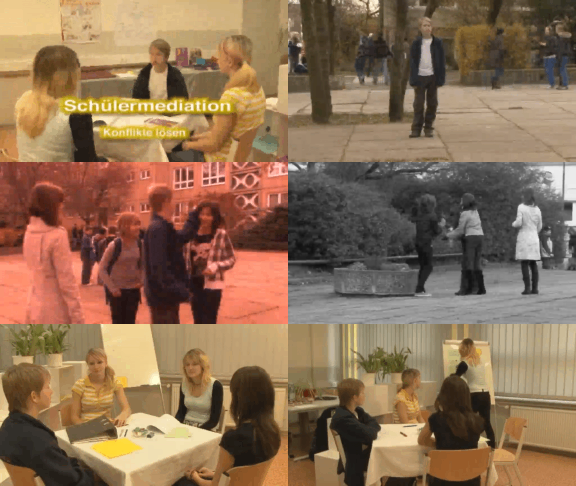
Peer Mediation
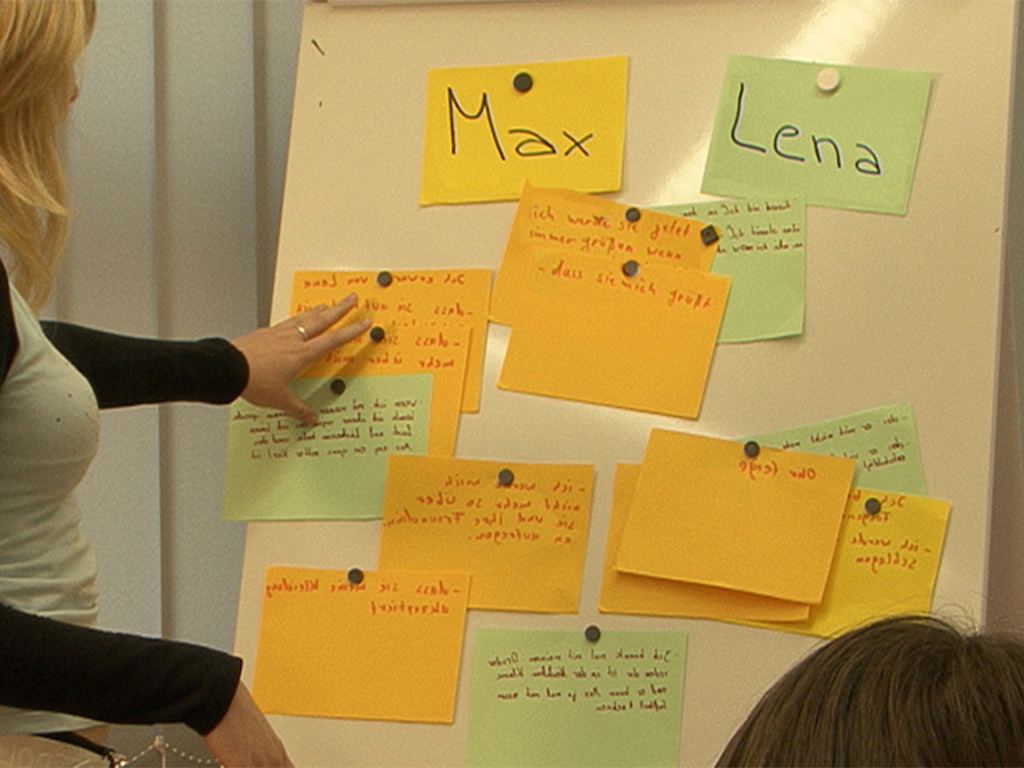
Lena and Max attend the 7th form. Max is new in class. During a break, Max notices that Lena and her friend are laughing at him again. Max loses his temper! He slaps Lena in the face. That hurts and Lena runs back into the classroom with a red cheek. The growing conflict between the two has escalated. Just like Lena and Max, every day pupils all over Germany have rows with each other. At the Heinrich Hertz Gymnasium in Thuringia, pupils have been trained as mediators for years. At set hours, they are in a room made available by the school specifically for mediation purposes. The film describes the growing conflict between Max and Lena and shows a mediation using their example. In doing so, the terms “conflict” and “peer mediation” are explained in a non-technical way. The aims of peer mediation and its progress in five steps as well as the mediators’ tasks are illustrated. The art of asking questions and “mirroring”, which the mediators must know, is described and explained. Together with the comprehensive accompanying material, the DVD is a suitable medium to introduce peer mediation at your school, too.
Seal of approval
Quality seals such as the "Bio-Siegel", "Blauer Engel", "Stiftung Warentest" and up to 1,000 other seals represent characteristics such as sustainability, health or safety with regard to a product, a service or even a company.