






Suche:
- # Artistry
- # Biology
- # Chemistry
- # Ecological
- # Economy
- # English
- # Foreign Language
- # Geography
- # German
- # Health
- # History
- # Informatik
- # Latin
- # Mathematics
- # Media Education
- # Music
- # Physics
- # Politics / Civics
- # Preschool
- # Primary School
- # Religion
- # Society
- # Sports
- # Technology
- # Training of Teachers
- # Vocational Education
Reise und Verkehr
In 10 interaktiven Aufgaben wird der Wortschatz zum Thema Reisen und Verkehr vermittelt und anschließend abgefragt.
Learn more
Essen und Trinken
In 10 interaktiven Aufgaben werden französische Vokabeln aus dem Bereich Essen und Trinken geübt.
Learn more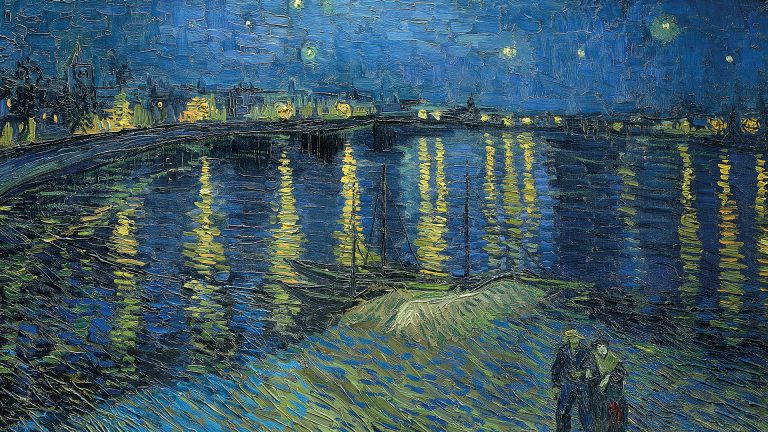
Vincent van Gogh
Vincent van Gogh, geboren 1853 in den Niederlanden, kommt erst spät zur Kunst.
Learn more

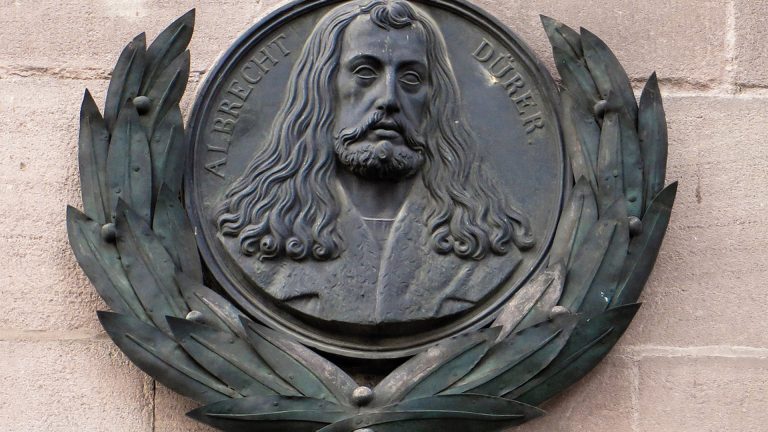
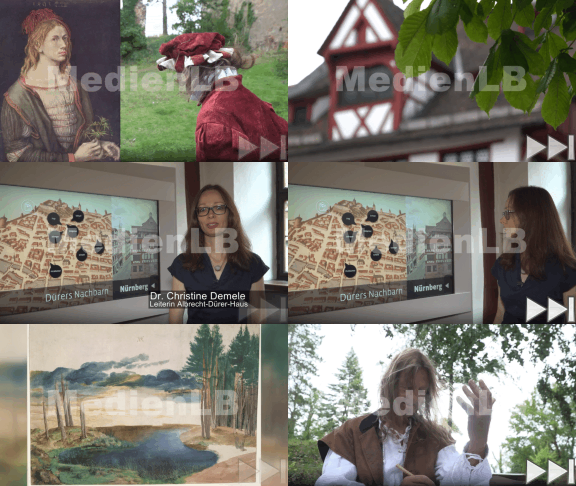
Albrecht Dürer
Albrecht Dürer, born in 1471, is one of the greatest painters of the Renaissance. At just 15, with the support of his father, he stopped his apprenticeship and devoted himself to art.
Learn more

Sinnesorgane schützen
Das Arbeiten im Labor im Chemie-, Biologie- und Physikunterricht erfordert Sicherheitsvorkehrungen, um Unfälle zu vermeiden.
Learn more
Sozialstaat
Artikel 20 und 28 des Grundgesetzes definieren die Bundesrepublik Deutschland als Sozialstaat. Doch was bedeutet das?
Learn more
Wirtschaftssystem
Das Wirtschaftssystem eines Landes bildet einen Markt, in dem Produzenten von Gütern, Anbieter von Dienstleistungen und Verbraucher miteinander in Verbindung stehen.
Learn more
Drogen und Computerspiele
Drogen machen sehr schnell abhängig und ziehen in einen Kreislauf aus Konsum, Verlust der sozialen Kontakte und sozialem Abstieg.
Learn more
MedienLB has been producing award-winning school films and interactive modules for the classroom since 2006.

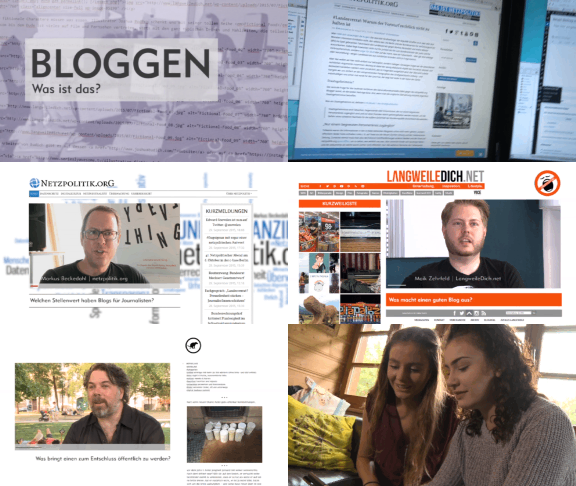
Blogging
The weblog or blog, for short, as a medium is not much older than this century. Blogs came into being in the World Wide Web as ’messages from below’, as web pages from web creators who wanted to share their view of the world with the world. They are short notes, long texts, pictures, videos, which are posted loosely and at random intervals to the world for an undefined public.
Learn more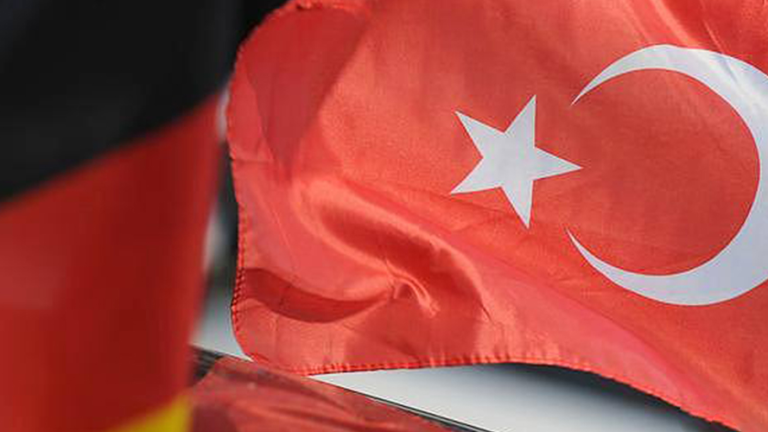

Der Friedensrichter von Neukölln
Hassan Allouche lebt in Berlin-Neukölln und ist das Gesetz – zumindest für viele muslimische Bewohner des Stadtteils. Der Film begleitet ihn, wie er als Friedensrichter von einem Konflikt zum nächsten eilt und z. B. dabei hilft, einen Familienstreit beizulegen. Er hat auch schon bei einem Fall von Schutzgelderpressung eingegriffen. Nur wenn es um schwere, meist körperliche Delikte geht, lehnt er jede Hilfe ab.
Learn more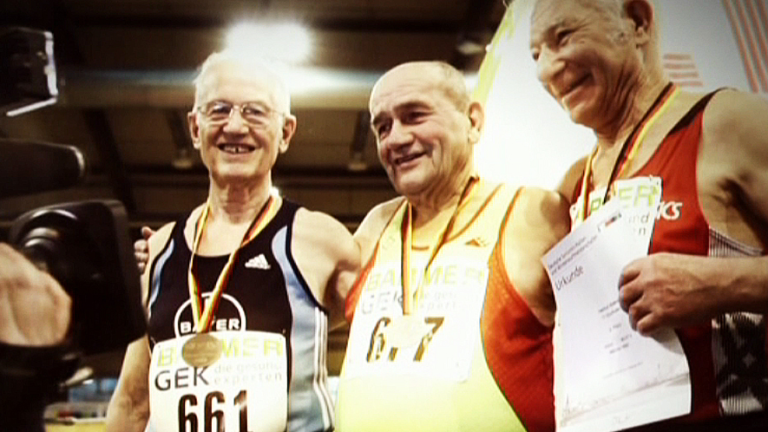
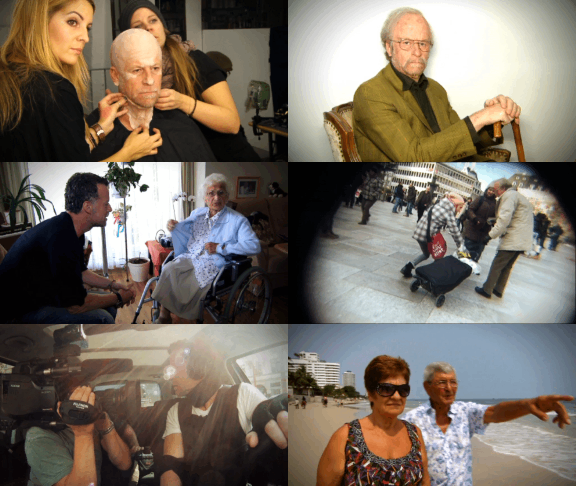
Alter
Jenke von Wilmsdorff wagt ein neues Experiment. Wie fühlt es sich an, alt auszusehen? Wie wird man als Greis behandelt? Dank einer speziellen Maske wird Jenke aussehen wie ein
Learn more