






Suche:
- # Artistry
- # Biology
- # Chemistry
- # Ecological
- # Economy
- # English
- # Foreign Language
- # Geography
- # German
- # Health
- # History
- # Informatik
- # Latin
- # Mathematics
- # Media Education
- # Music
- # Physics
- # Politics / Civics
- # Preschool
- # Primary School
- # Religion
- # Society
- # Sports
- # Technology
- # Training of Teachers
- # Vocational Education
Mensch und Tier
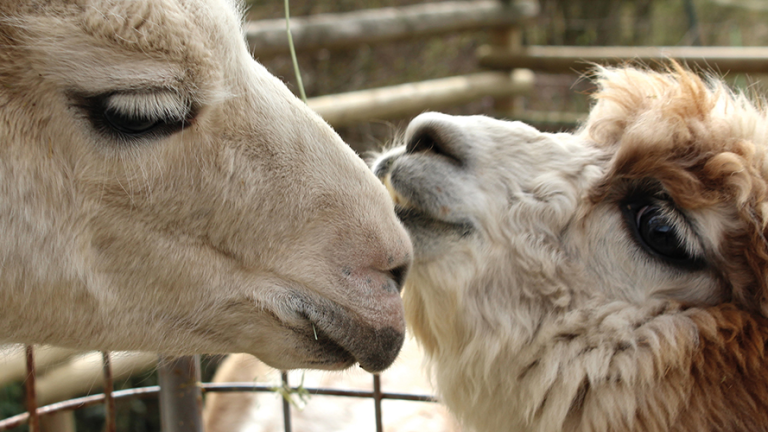
Menschen und Tiere leben seit Jahrtausenden zusammen. Ursprünglich als reines Nutztier gehalten, entwickelte sich eine Beziehung zu einem Tier als reines Haustier. Neuer ist die Verbindung der engen Beziehung des Menschen zu Tieren und therapeutischen Anliegen. Im Film werden verschiedenste Tiere und deren therapeutische und unterstützende Wirkung vorgestellt. Ob mit Schafen, Alpakas, Ponys, Schulbegleithunden oder Blindenhunden – der Film geht der engen Beziehung von Mensch und Tier nach.
Learn more
Deutschlands Landschaften
Deutschland ist ein Land der Landschaften. Der Film nimmt uns mit auf eine Reise von den Küsten im Norden über die Lüneburger Heide, die Lößbörde und die Mittelgebirge in der Mitte Deutschlands bis zu den Alpen im Süden.
Learn more

Müllvermeidung
In dieser Ausgabe von "Schau dich schlau!" erfahren Sie alles, was man über Müll wissen muss. Jeder Deutsche hinterlässt jedes Jahr fast eine halbe Tonne Abfall. Wie kann man diesen gewaltigen Müllberg reduzieren? Die Wissensreporter Joey Grit Winkler und Fero Andersen wagen das spannende Experiment und wollen 24 Stunden lang keinen Müll produzieren. Joey Grit Winkler und Fero Andersen wagen ein radikales Experiment und treten in einen Müllvermeidungs-Wettstreit. Sie wollen 24 Stunden lang keinen Müll produzieren. Schnell stellt sich die Frage: Was können die beiden eigentlich noch essen? Wo können sie einkaufen? Und wie vermeiden sie es, mit Werbeprospekten und Verpackungsmaterial überschwemmt zu werden? Das Experiment zeigt, welchen Abfall wir tagtäglich produzieren und mit welchen Tricks wir unseren persönlichen Müllberg schrumpfen lassen können. In dieser Folge "Schau dich schlau!" bekommen die Zuschauer außerdem Antworten auf folgende spannende Fragen: Lohnt es sich, Flaschen nach Farben zu trennen? Landet unser sorgfältig getrennter Müll am Ende doch in der Müllverbrennungsanlage? Welche Trendsportart verbirgt sich hinter dem Begriff "Dumpster Diving", und wie kann man aus dem Datenmüll auf zerkratzten CDs und magnetisierten Festplatten wieder die ursprünglichen Informationen zurückgewinnen?
Learn more
Recycling
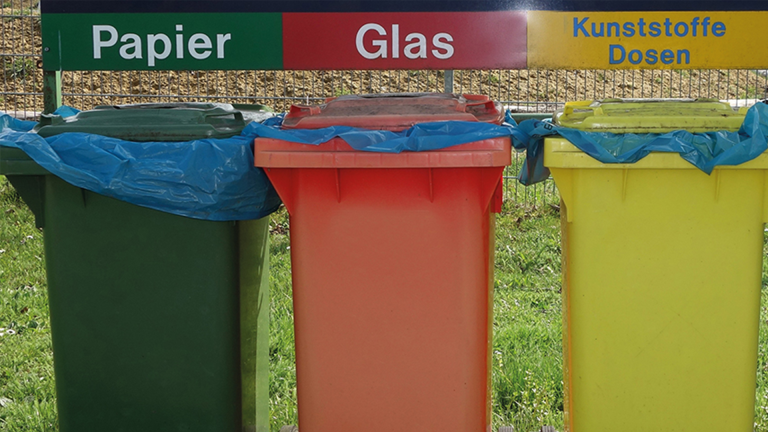
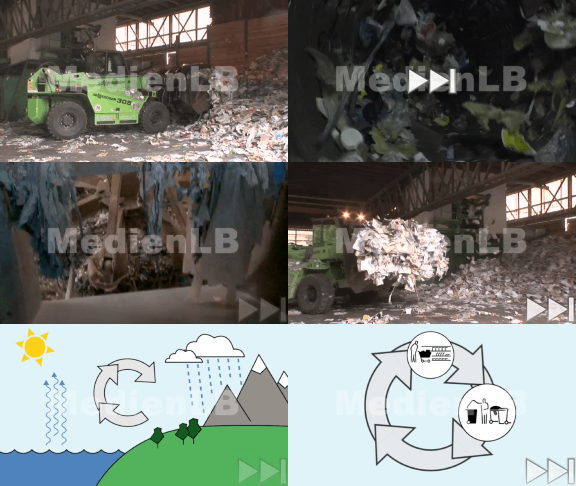
The best waste is the one that never arises in the first place or that can be avoided.
Learn more
Knights
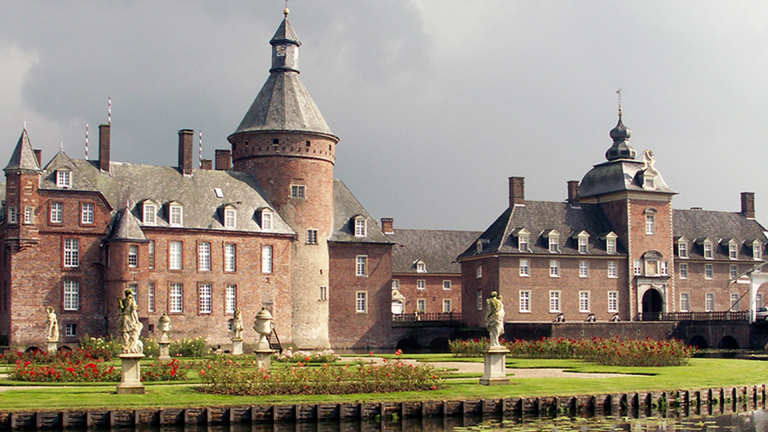
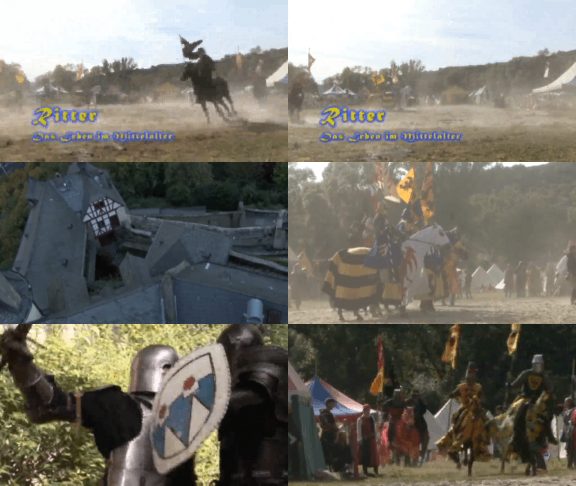
This DVD offers an insight into the life of knights in the 13th and 14th century of the Middle Ages. The film describes events in the lives of knights as well as life in the castle in a way that is clear and easy to understand for young pupils. The DVD covers the following subject areas: • The Middle Ages (Times of knights, emperors, kings, princes and counts) • Life in the Castle (castles and their location, livelihood, rooms, food) • Tournaments (medieval tournaments today, two knights fighting, dress rules) • Armour (protective attire for battle being subject to changes, coat of arms, weapons) • From Page to Knight (the difficult path of development of a knight’s son) • The Siege (attack and defence of a castle, weaponry) • End of the Time of Knights (robber-knights and their history)
Learn more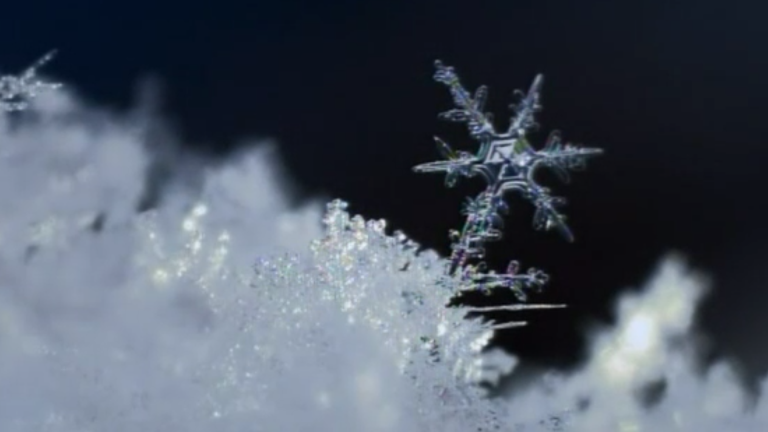
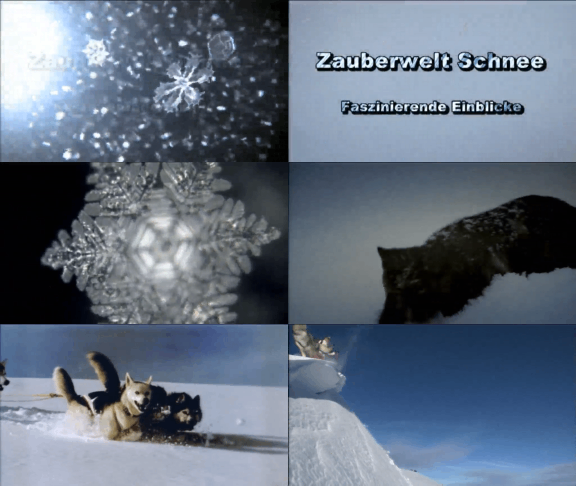
Magical World of Snow
With descriptive real and trick sequences, the film explains how snow forms and what different kinds of snow crystals there are. We observe a snow researcher at work and watch growing snow crystals under a microscope in spectacular close-ups. The film also answers the questions why snow looks white to us or crunches; it shows sledge dogs in action and explains ingenious survival strategies of animals in winter. Other clips show the joy of some winter sports but also point out their dangers. A tourist guide explains the precautionary measures to avoid a possible risk of avalanches. The topic of snow cannons is also covered in the film – like glaciers, too, or artificial snow in a slightly unusual use. Comprehensive, interdisciplinary accompanying material consolidates and deepens the knowledge of the subject.
Learn more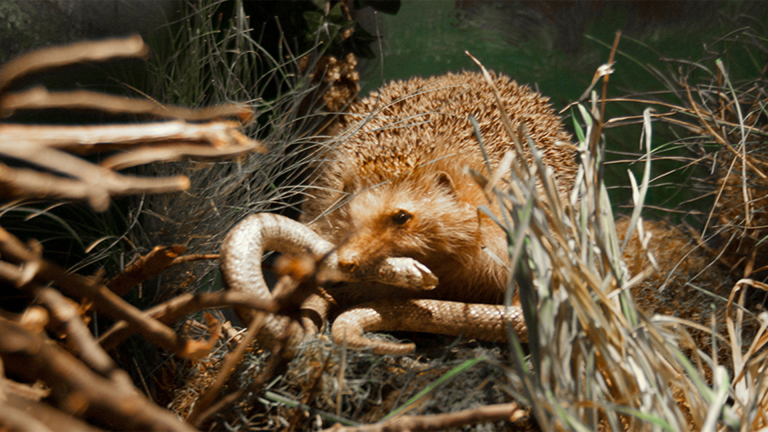
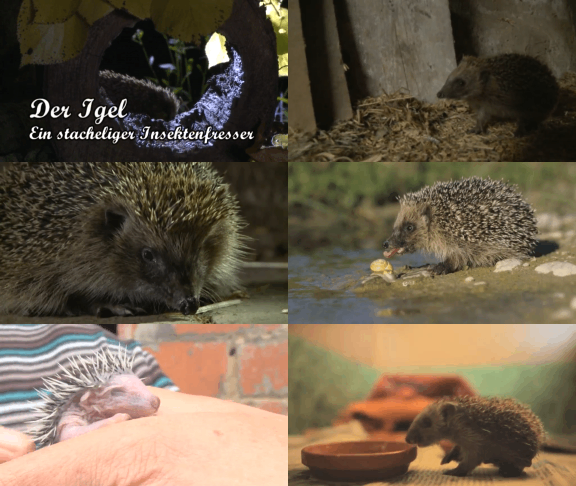
The Hedgehog
It carries on its back up to 8000 spines although it is no more than 30 centimetres long. In spite of that it can assert itself very well against its enemies. Because this insectivore can roll up into a ball. Although the hedgehog is a wild animal, it likes to live near humans today. With simple explanations and beautiful film shots the pupils learn about the species-specific behaviour, the characteristics of our endemic common hedgehog but also about the threats it is exposed to. At night, the hedgehog is accompanied on its forays for food, by day, it can be seen sleeping deeply in its hideout, and when the mating season is over, six orphaned hoglets are accompanied on their way to maturity. The thematic fields focussed upon are habitat and distribution, characteristics, behaviour throughout the year, food, reproduction as well as protection and endangerment. The film arouses curiosity about and fascination for the hedgehog and furthers the pupils’ environmental awareness. Together with the extensive accompanying teaching material the DVD is perfectly suited for use in the classroom.
Learn more
MedienLB has been producing award-winning school films and interactive modules for the classroom since 2006.
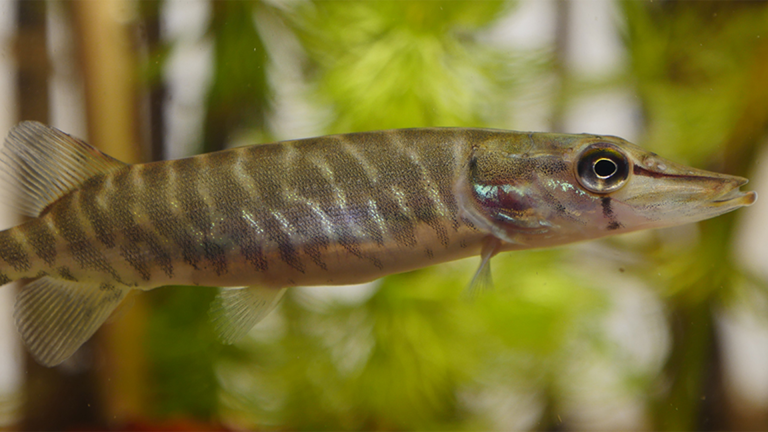
Hecht
Der Hecht ist Fisch des Jahres 2016. Er ist einer unserer größten heimischen Raubfische. Sein Maul ist mit messerscharfen Zähnen gespickt.
Learn more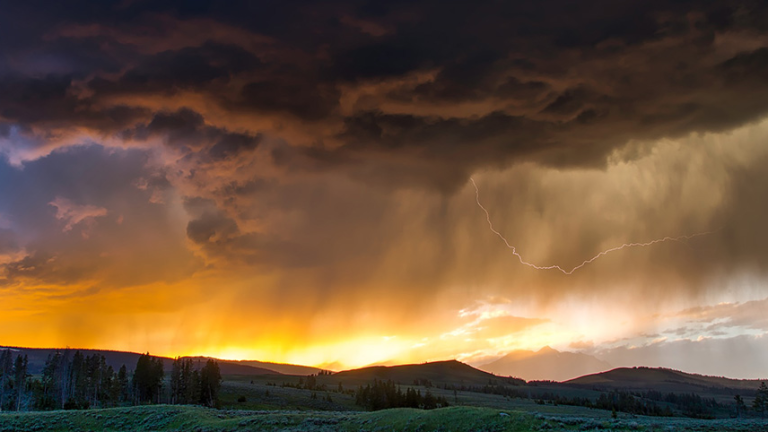
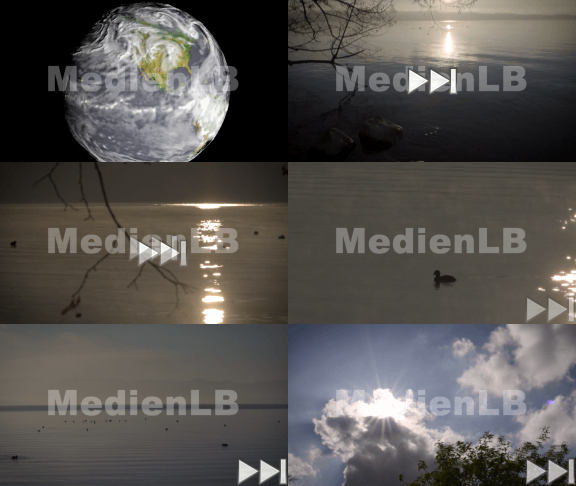
Unbelebte Natur begreifen
Die Menschen sind umgeben von belebter und unbelebter Natur. Der Film stellt Phänomene der unbelebten Natur vor. Wie Wetter entsteht, was es mit Hoch- und Tiefdruckgebieten auf sich hat, stellt der Film in ansprechenden Animationen und spektakulären Landschaftsaufnahmen vor.
Learn more
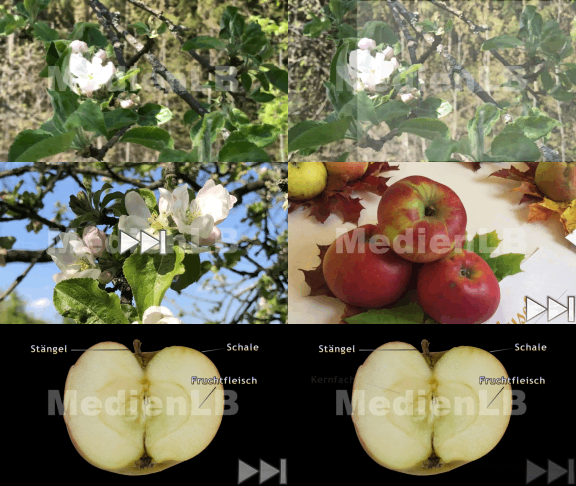
Apfel
Er ist das am häufigsten angebaute und verzehrte Obst. Die Engländer sagen ihm nach, dass er den Ärzten ihre Kundschaft vergrault. Isaac Newton soll von ihm auf die Gesetze der Gravitation gestoßen worden sein.
Learn more