






Suche:
- # Artistry
- # Biology
- # Chemistry
- # Ecological
- # Economy
- # English
- # Foreign Language
- # Geography
- # German
- # Health
- # History
- # Informatik
- # Latin
- # Mathematics
- # Media Education
- # Music
- # Physics
- # Politics / Civics
- # Preschool
- # Primary School
- # Religion
- # Society
- # Sports
- # Technology
- # Training of Teachers
- # Vocational Education
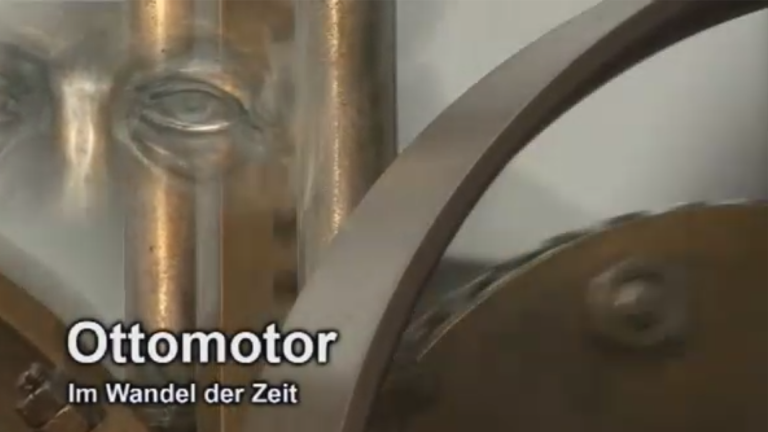
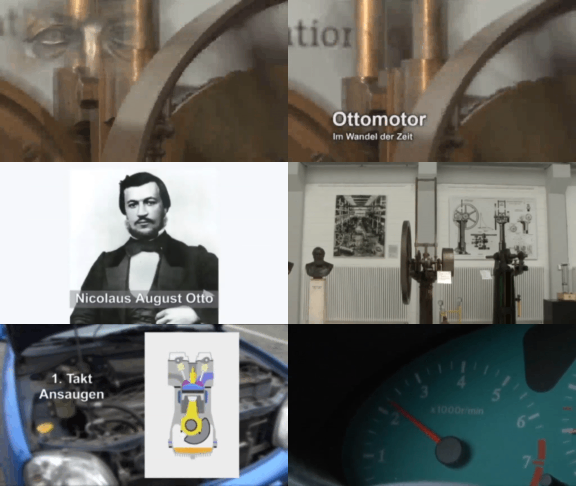
The Otto Engine
This DVD offers an insight into the historical birth of the Otto engine and also describes its latest version – the hybrid engine. In addition, other engines of the future are covered. The life and achievements of Nikolaus August Otto are dis- cussed, with all his successes and failures, from his first en- gineering attempts when reconstructing the Lenoir engine to the presentation of the “atmospheric gas engine” on the Paris World Fair through to his cooperation with Gottlieb Daimler and Wilhelm Maybach. The mode of operation of the Otto engine is explained to the pupils in detail, also with the help of a variety of animations and diagrams. The DVD goes into the four strokes of intake, compression, power and exhaust as well as the Otto engine as energy converter. Crude oil is one of our most important sources of energy. Besides outlining the evolution and processing of crude oil into fuel, this DVD puts emphasis on the increasing shortage of global crude oil resources. Alternative propulsion sources like hybrid engines as well as hydrogen-fuelled or gas-fuelled vehicles offer an environmental-friendly vision for the automobile’s future in times of global climate change.
Learn more
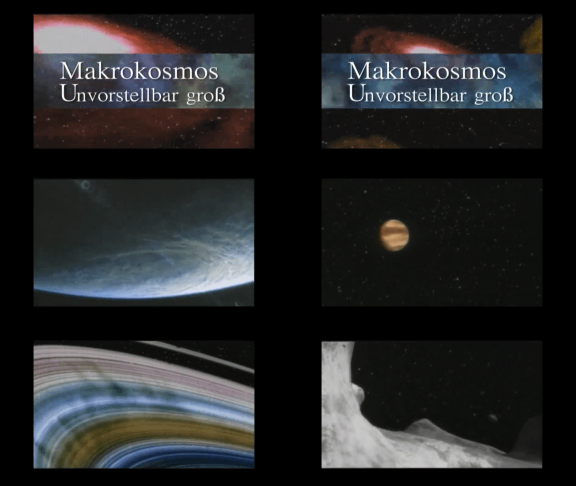
Macrocosm
Macrocosm – what is that? The film discusses this question in detail. Where does macrocosm begin? Can we imagine or even perceive its dimensions? The film illustrates in a descriptive way that macrocosm begins already on Earth, for instance in the forest..
Learn more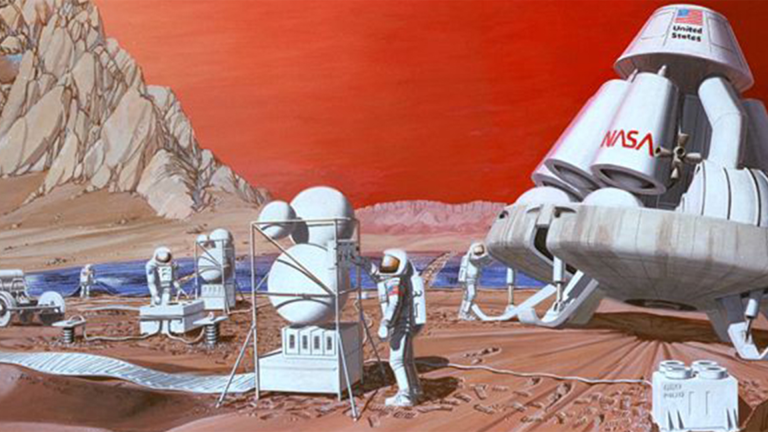
Space
The conquest of a new world: the first satellite, the first man in space, the first steps on the moon – pictures we all know.
Learn more
Electricity
How is the electricity generated with which we power our appliances in everyday life?
Learn more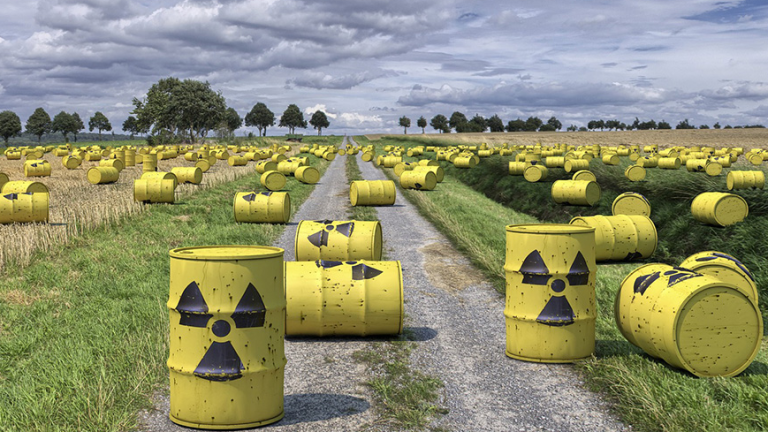
Geiger-Müller Counter Tube
Radioactivity leads to invisible radiation with considerable effects on the organism.
Learn more

Thermodynamik
Die klassische Physik setzt in ihrer Disziplin Thermodynamik Wärme, Druck und Volumen in Relation. Schon lange nutzen Menschen diesen Zusammenhang, um etwa mit Dampf Turbinen anzutreiben und damit Energie zu gewinnen.
Learn more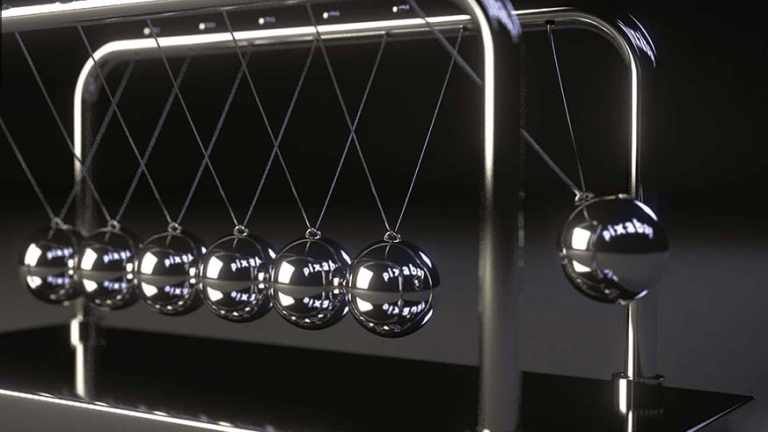

Laws of Nature
Die Physik hilft uns zum Beispiel zu verstehen, warum Dinge fallen, wie sie fallen, wie Kräfte wirken und was sie bewirken. Warum manche Dinge schweben und andere nicht und wie wir mit diesem Wissen das Leben viel einfacher machen können.
Learn more

Elektrizität
Die Elektrifizierung bedeutete für die Menschheit einen fundamentalen Fortschritt.
Learn more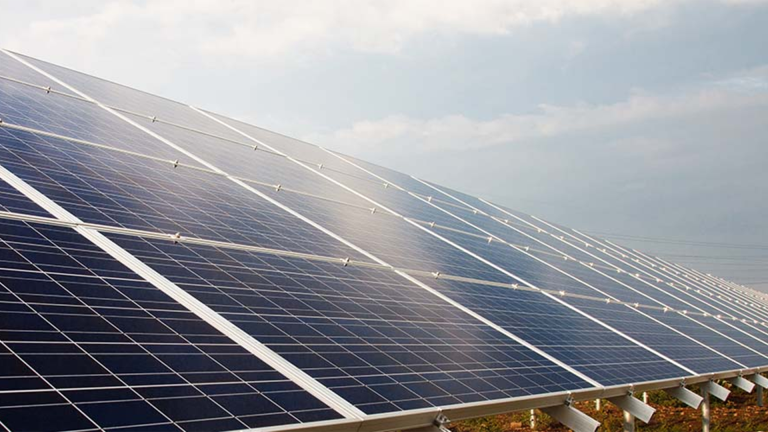
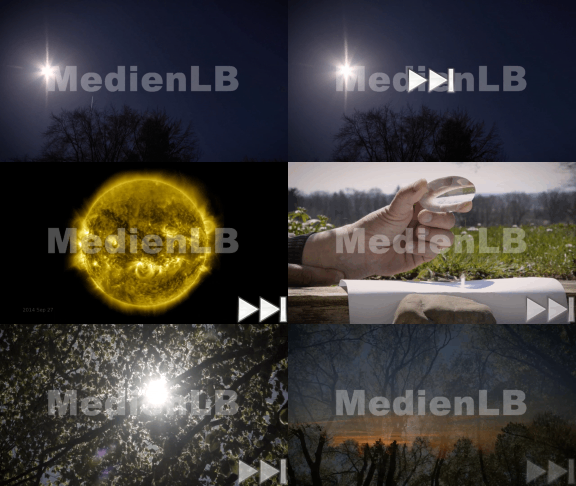
Photovoltaics
Photovoltaics is the direct conversion of light energy into electrical energy. This principle is increasingly being used as a regenerative energy source - for this purpose, large-scale solar collectors are being installed on house roofs and on open spaces.
Learn more
MedienLB has been producing award-winning school films and interactive modules for the classroom since 2006.



Licht und Farbe
Ohne Licht würde auf unserer Erde kaum Leben existieren. Pflanzen brauchen diese elektromagentischen Wellen, um zu wachsen und durch den Vorgang der Photosynthese unter anderem Sauerstoff zu produzieren. Genauso sind Farben wesentlicher Bestandteil in der Natur und haben ihre eigene Bedeutung. Auffällige Färbungen bei Reptilien sollen Gefahr signalisieren, während ein möglichst prächtiges Federkleid bei Vögeln ihre Attraktivität steigern soll. Genau wie andere Arten reagieren auch Menschen auf Licht und Farben. „Schau dich schlau!“ zeigt, wie die beiden Komponenten eingesetzt werden, um uns Wohlbehagen zu bescheren oder uns zum Beispiel zum Kaufen zu animieren.
Learn more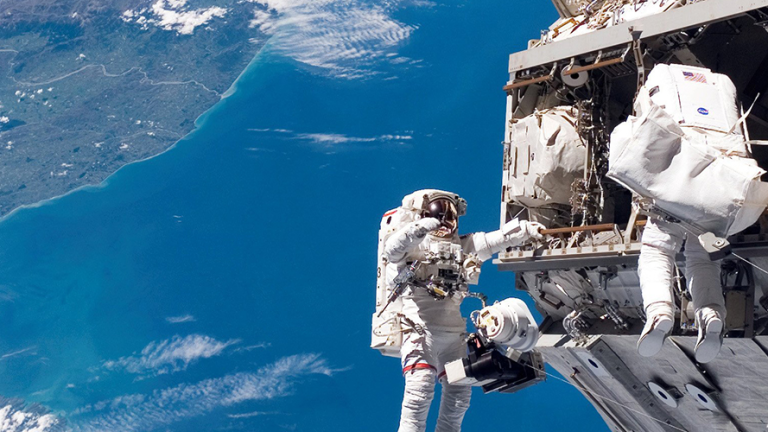
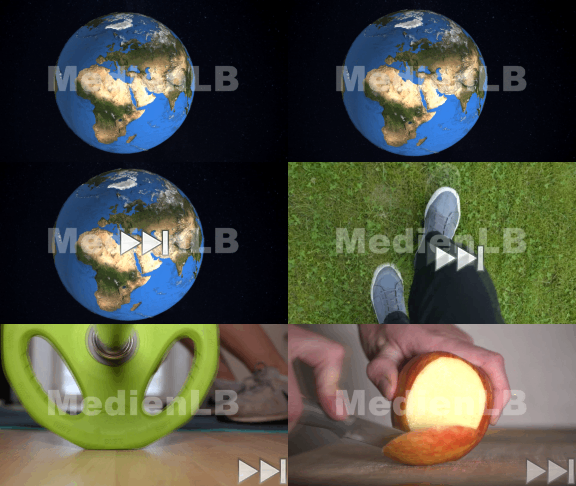
Gravity
Gravity is the force that pulls something to the ground. It ensures that everything falls downwards. Like every force, it has a direction, namely towards the centre of the celestial body. The film vividly shows the development of the law of gravity from Isaac Newton through the further development by Albert Einstein, who described that gravity not only causes bodies to attract each other, but also causes space to curve around a body. Space and time are no longer absolute, fixed quantities, but changeable.
Learn more

States of Aggregation
It is winter. Snow and ice transform the landscape into a fairy tale scenery. At sub-zero temperatures, ice crystals form on branches and other objects.
Learn more