






Suche:
- # Artistry
- # Biology
- # Chemistry
- # Ecological
- # Economy
- # English
- # Foreign Language
- # Geography
- # German
- # Health
- # History
- # Informatik
- # Latin
- # Mathematics
- # Media Education
- # Music
- # Physics
- # Politics / Civics
- # Preschool
- # Primary School
- # Religion
- # Society
- # Sports
- # Technology
- # Training of Teachers
- # Vocational Education
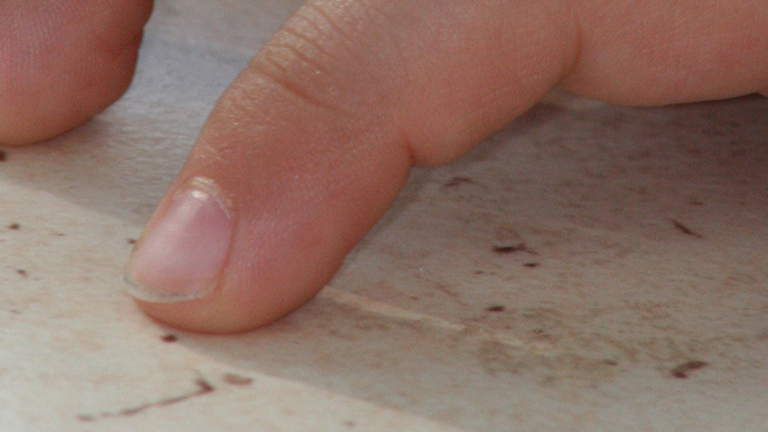

Die 5 Sinne
Wie selbstverständlich sehen, hören, riechen, schmecken und fühlen wir. Jeder benutzt täglich seine fünf Sinne, ohne sie bewusst einzusetzen. "Schau dich schlau!" untersucht in dieser Sendung, warum sie für uns überlebenswichtig sind und wie sie funktionieren.
Learn more
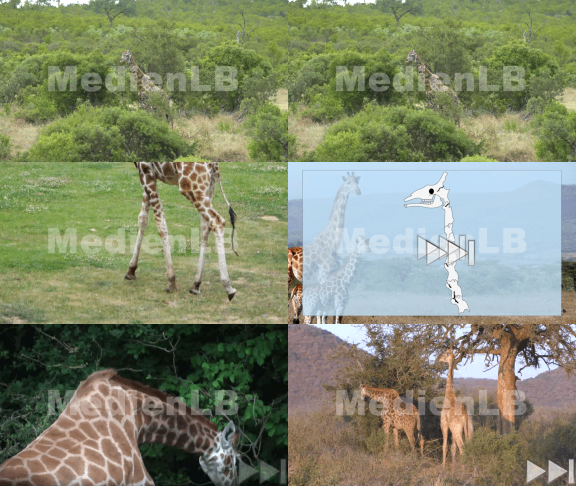
Giraffes
The giraffe is a superlative mammal. It is considered the largest land mammal, has a neck up to two meters long and the pattern of its fur is as unique as the fingerprint of a human.
Learn more


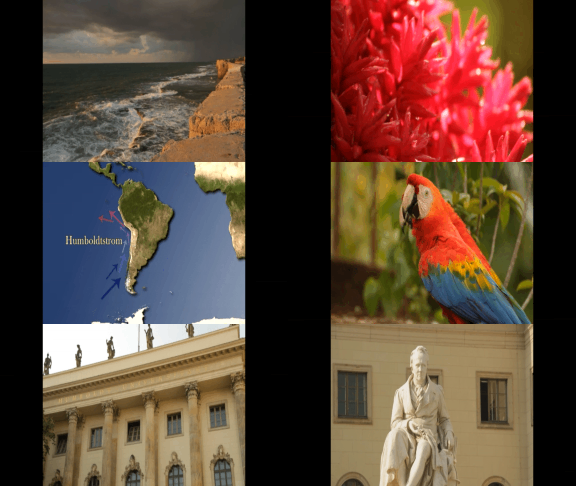
Alexander von Humboldt
The name of Alexander von Humboldt, who is considered the last polymath and is still admired as second discoverer in Latin America, is omnipresent. Schools, ships, mountains, rivers, squares are named after him; but above all animals and plants were given his name. But what about his natural history legacy and heritage in our time?
Learn more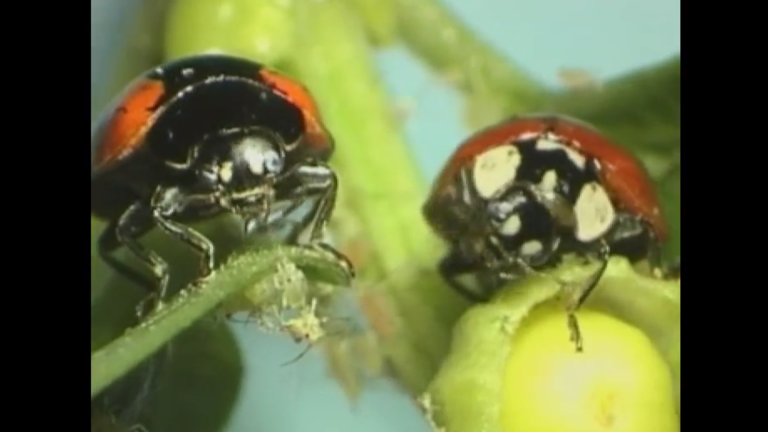
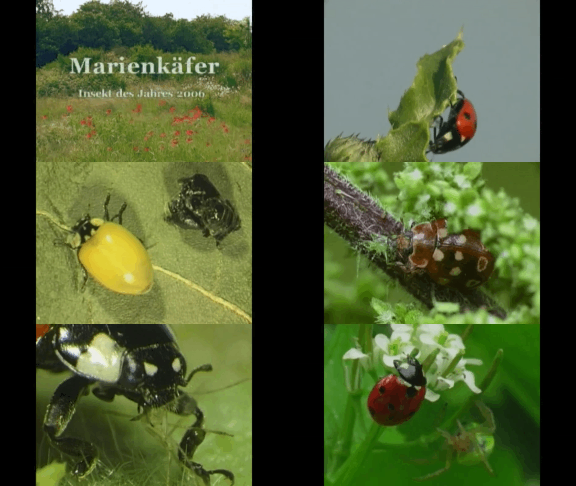
The Ladybird
The seven-spotted ladybird was chosen insect of the year 2006. Besides the characteristics of this and other ladybird species, the film also shows the reproduction and develop- ment of various species and their geographic ranges. Fur- thermore, this DVD puts emphasis on the explanation of the ecological web of relationships the ladybird is part of. Here, the relation with humans also plays a role as people have always valued ladybirds because they kill aphids and are pretty to look at. Apart from the ladybird itself, several natural enemies such as insects and spiders are shown in impressive close-ups. The film is highly suitable for overcoming any prejudices the pupils might hold towards these groups of animals.The film is suitable for primary school lessons and secondary school biology studies, including the subject area of ecology in the 8th year of school.
Learn more
Nationalpark
In the Hohe Tauern National Park you can experience with all your senses the peaceful coexistence of wild nature and human creativity, the diversity of nature as well as its significance as an ecosystem preserve in the heart of Europe. Pristine forests, species-rich mountain meadows and the alpine primeval landscape of the highest mountains in Austria quite naturally evoke a thirst for knowledge.
Learn more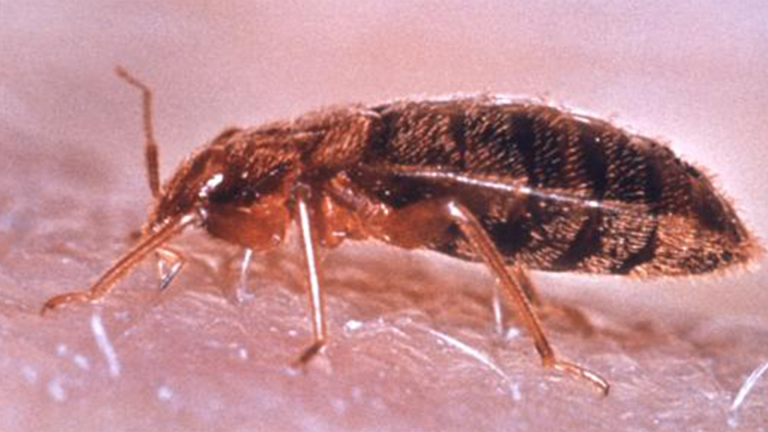

Parasites
Parasites are not a small group of organisms, as many believe. Parasitism is a specific mode of life in which one creature, a parasite, lives on another creature and feeds on it. Apart from well-known parasites such as ticks or bed bugs, also animals like the cuckoo or the ichneumon fly and plants, for example the mistletoe, live parasitically. With a lot of animations, recordings and microscope images the film illustrates how this ectoparasitic way of life evolves, to what extent the parasites deprive their hosts and what other living organisms engage in parasitism, too. Humans easily become hosts to parasites and the latter can transmit serious diseases. The malaria cycle and the danger of ESME are described and preventive measures that can be taken are shown.
Learn more

Kräuterdrogen
Sie bekommen minutenlange Lachflashs, haben ihre Bewegungen nicht mehr unter Kontrolle oder rennen ziellos durch die Gegend. Internetvideos zeigen, was die sogenannten Legal Highs mit Jugendlichen anstellen.
Learn more
MedienLB has been producing award-winning school films and interactive modules for the classroom since 2006.

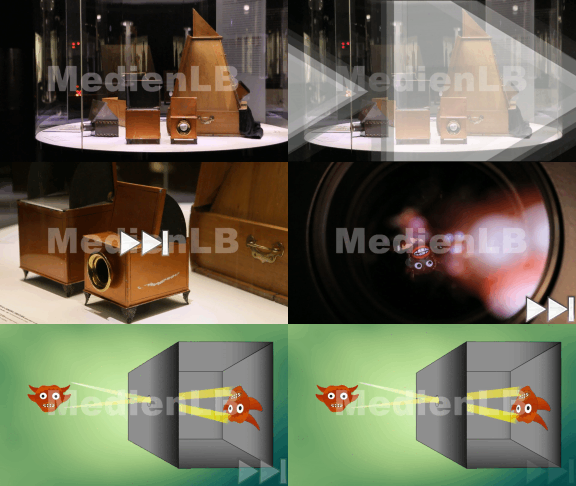
Auge
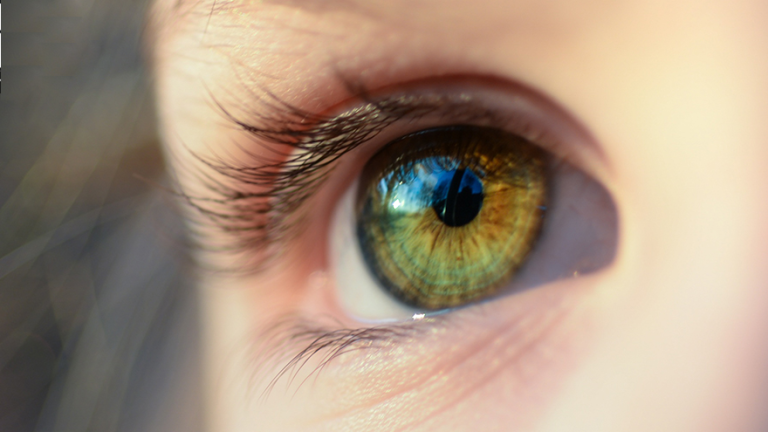
Die meisten der Informationen, die auf uns einströmen und einwirken, nehmen wir über unseren Sehsinn wahr. Was passiert in unseren Augen aber genau während des Sehvorgangs?
Learn more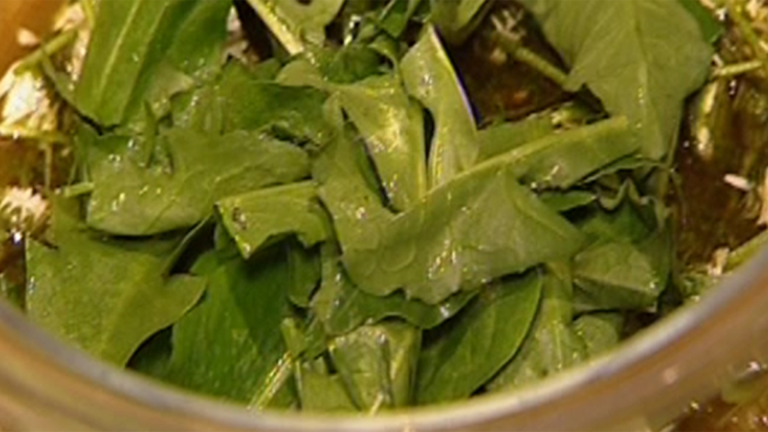
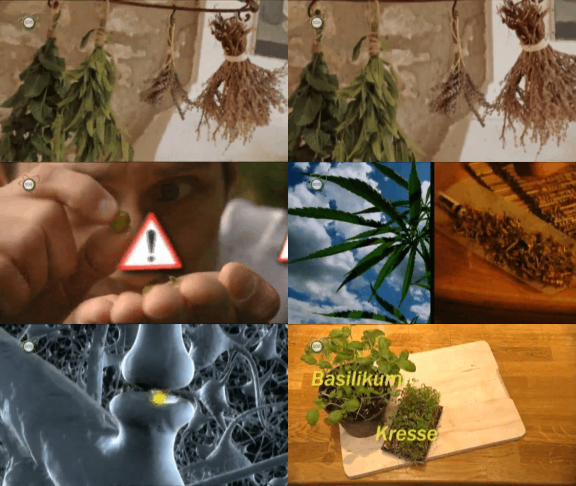
Kräuter
Nicht nur beim Kochen werden Kräuter verwendet, auch bei gesundheitlichen Beschwerden und kleinen Schönheitsmakeln kommen die Alleskönner zum Einsatz. Aber Vorsicht ist geboten, denn nicht alle Vertreter sind ungiftig. "Schau dich schlau!" erkundet die Vielfalt der Kräuterwelt, gibt Tipps zur Verwendung und erforscht Kurioses rund ums Thema.
Learn more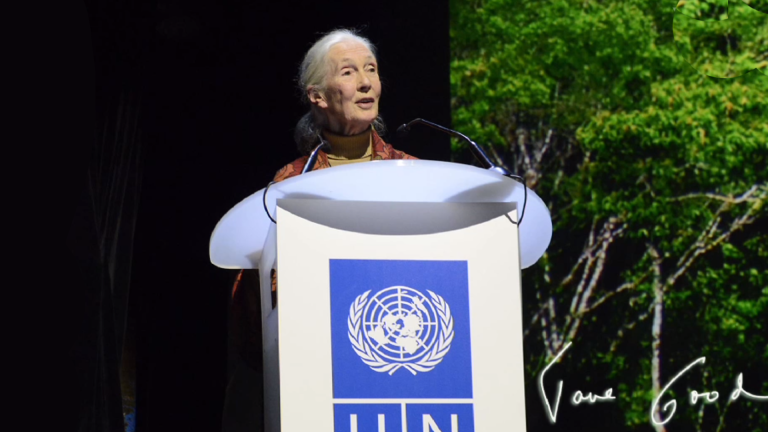
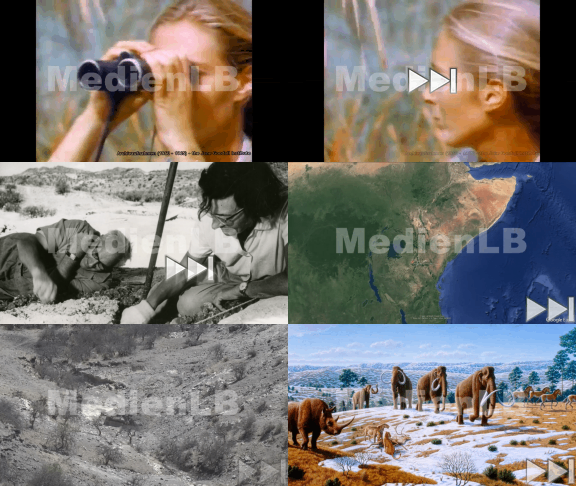
Jane Goodall
Jane Goodall is considered a pioneer among behavioral scientists in the world of chimpanzees. At the age of only 26, she began her work as a scientist in Tanzania, East Africa, in early 1960. She lives with free-ranging chimpanzees and provides insights into their social behavior and abilities. As founder of the Jane Goodall Institute, she has worked since 1986 to raise awareness and sustainability regarding the coexistence of humans, animals and the environment. The film provides insights into the life and work of Jane Goodall.
Learn more