







 Religion

4667663 / 5558922
Prayer
in World Religions
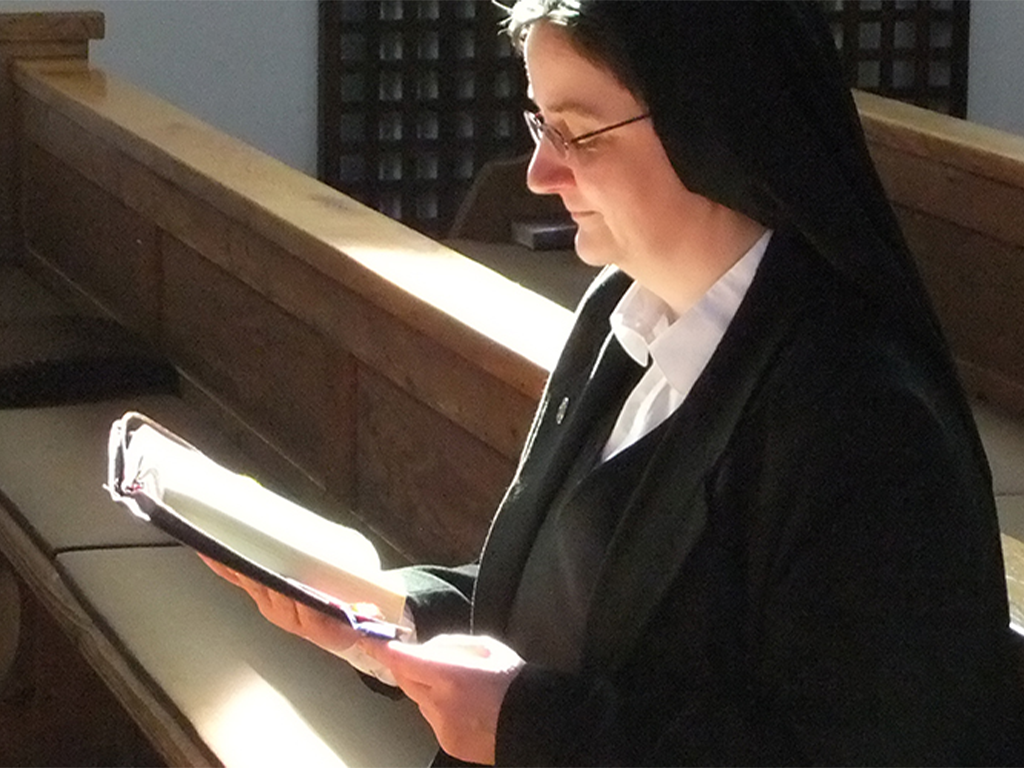
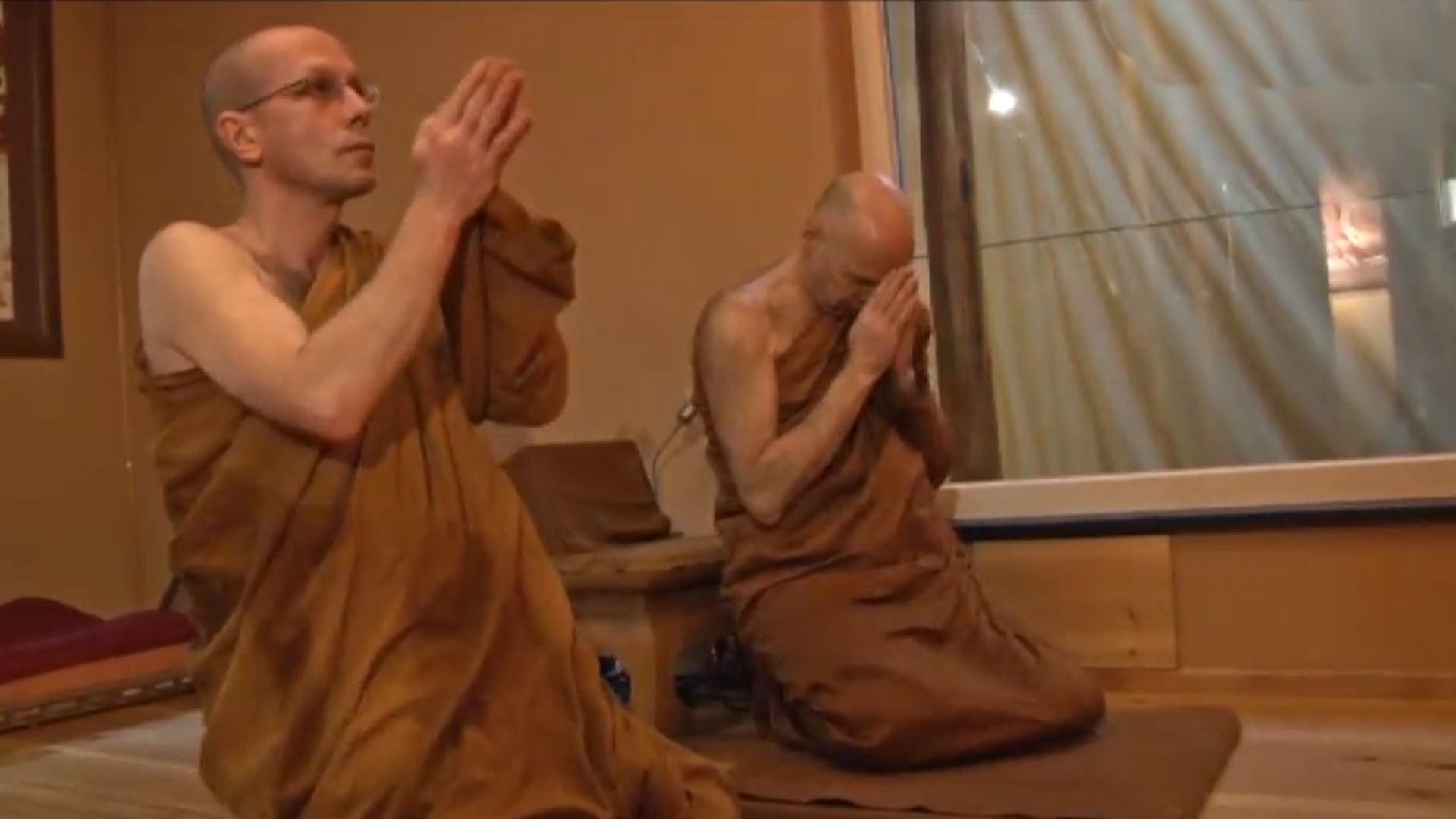
The prayer, a fundamental religious act, which may be formulated in the form of a request, a thanksgiving or as a dialogue. Whether in Islam, Christianity, Buddhism, Hinduism or Judaism – in all five world religions, the prayer is a communion with their God or a Higher Power. Thanking God, asking him for something, recapitulating the day, finding peace – all that can be contained in a prayer. We pray because we are looking for answers, consolation and strength and because in times of stress we seek peace and reflection. Some people also pray out of tradition or out of a sense of duty to their God. Some may also wish to have their prayers answered. There are studies investigating whether what we ask for in prayer actually comes true. The results, however, are not unequivocal. But to the one who prays this is no reason to stop. For the benefit of prayer cannot be measured by studies. For many the happiness of praying consists less in having their requests answered than in their contact with God. Together with the extensive accompanying material the DVD is perfectly suited for use in the classroom. Target group: primary school, special needs school, secondary school
Play trailer
- <> Languages : DE, EN, TR
- <> Target Groups : Sek I, Sek II
- <> Subject : Religion
- <> Length : 25:44 min
- View in learning platform
Licenses
Curriculum-centred and oriented towards educational standards
Matching
Ceramic
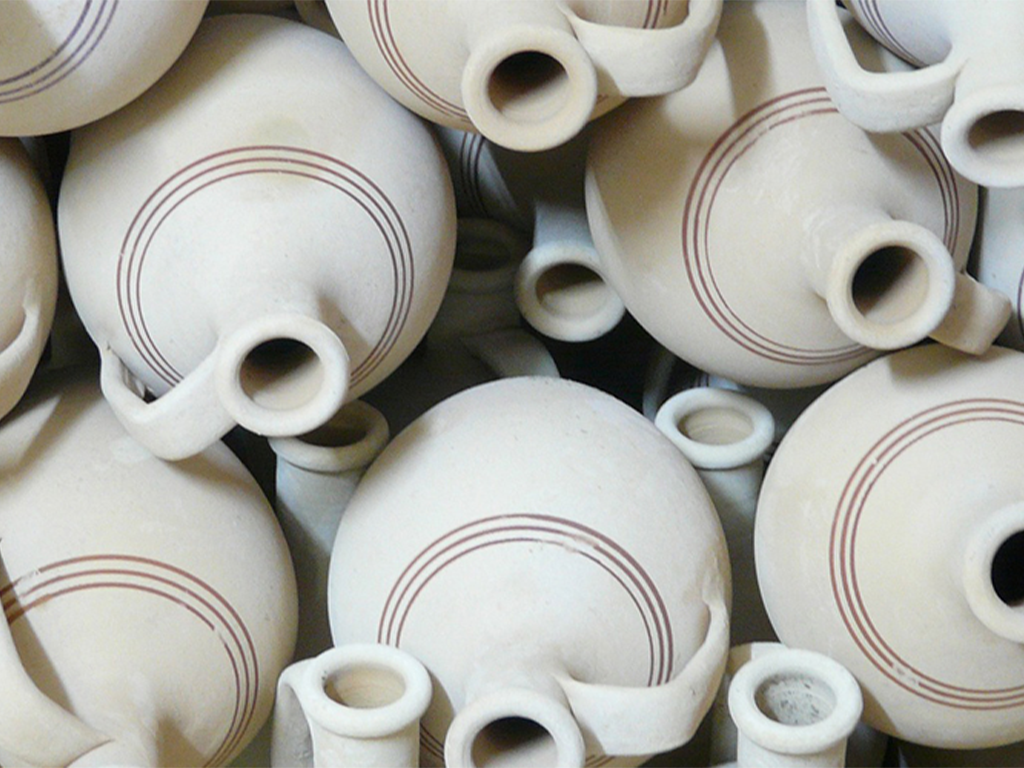
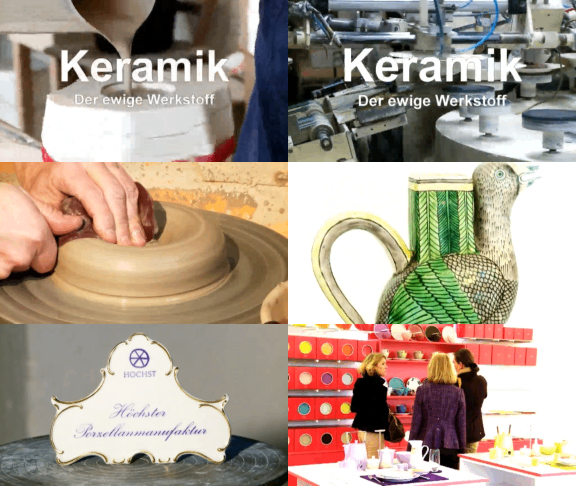
Ceramics are indispensable in our everyday lives. We eat from ceramic plates, drink from ceramic cups, use tiled ceramic bathrooms. But how is ceramic manufactured? The film reveals the secrets of this fascinating material! We get to know more about the beginnings of ceramic in the Old World of Egypt and Mesopotamia, about Greece, China and Rome. We gain interesting insights into the valuable earthenware and are also shown the exquisite further development of the "white gold". Today this versatile material is irreplaceable in industry, too. Whether in space or as an easily compatible substitute in medicine, ceramic is applied in many places.
The Daily Newspaper
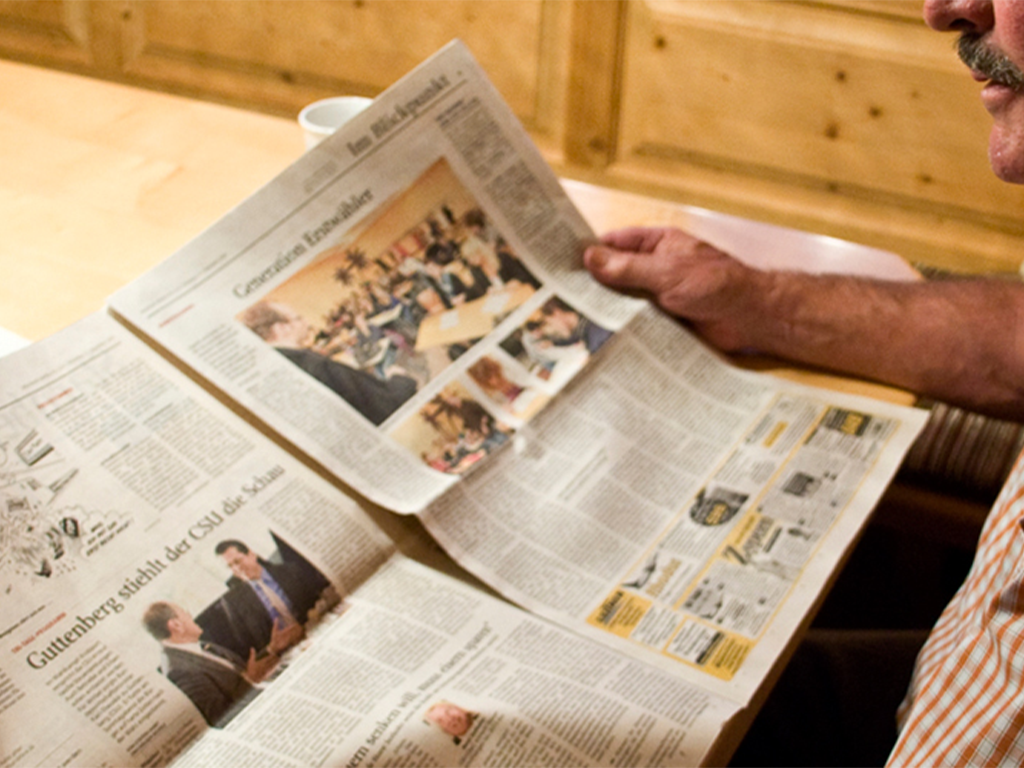
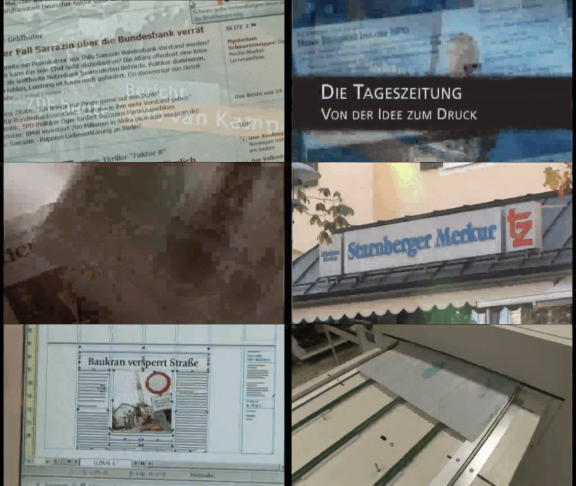
Every day, there is a surge of news reaching us via different news channels. In spite of TV and Internet, the daily paper still is one of the most important main sources of news. But how is a newspaper created? The film shows the production of a paper in the course of one day. Starting with the editorial meeting in the morning, in which the topics and deadlines are determined, the film accompanies a journalist during her research work. You can see how a journalistic interview is conducted and what the photographer must consider when taking a press photo. Back in the editorial office, the editor’s work is illustrated, which includes the page layout and the writing of an online article in today’s time. Impressive pictures from the printing centre depict the process from the digital page to the finished newspaper. Together with the comprehensive accompanying material, the DVD is perfectly suited for use at school
Peer Mediation
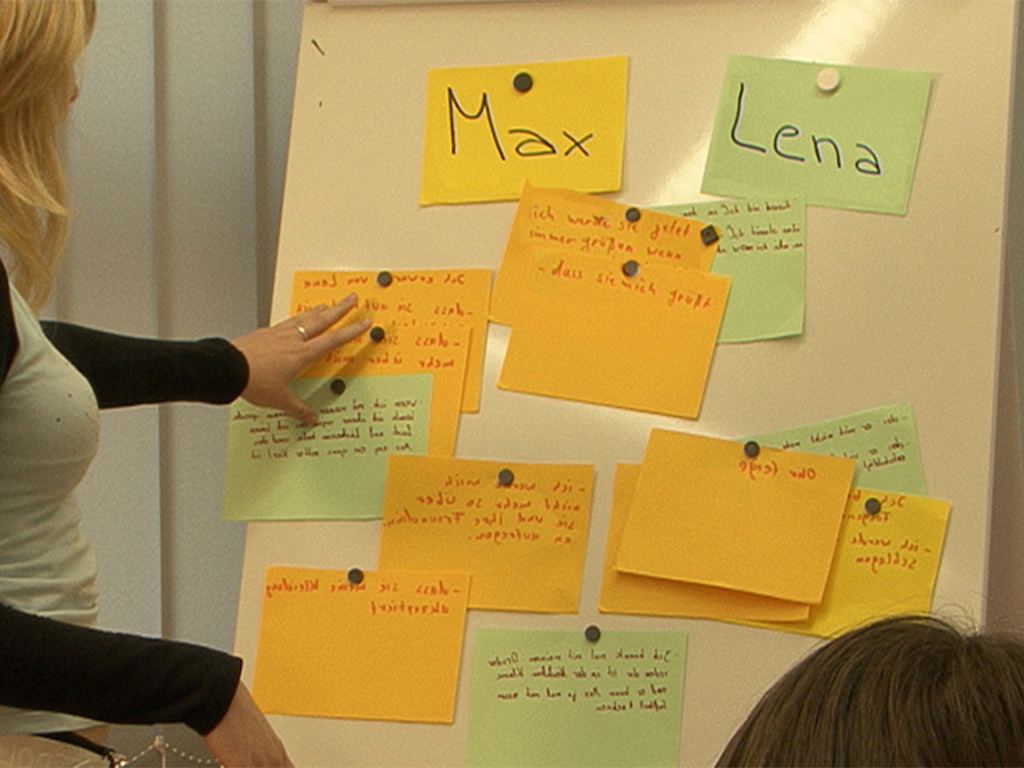
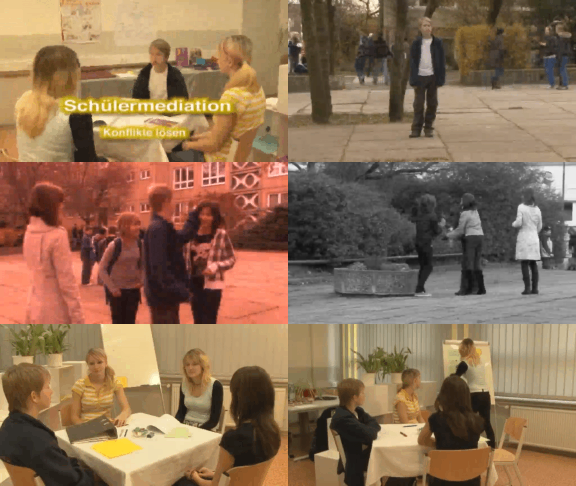
Lena and Max attend the 7th form. Max is new in class. During a break, Max notices that Lena and her friend are laughing at him again. Max loses his temper! He slaps Lena in the face. That hurts and Lena runs back into the classroom with a red cheek. The growing conflict between the two has escalated. Just like Lena and Max, every day pupils all over Germany have rows with each other. At the Heinrich Hertz Gymnasium in Thuringia, pupils have been trained as mediators for years. At set hours, they are in a room made available by the school specifically for mediation purposes. The film describes the growing conflict between Max and Lena and shows a mediation using their example. In doing so, the terms “conflict” and “peer mediation” are explained in a non-technical way. The aims of peer mediation and its progress in five steps as well as the mediators’ tasks are illustrated. The art of asking questions and “mirroring”, which the mediators must know, is described and explained. Together with the comprehensive accompanying material, the DVD is a suitable medium to introduce peer mediation at your school, too.