







 German

4675558 / 5563706
Literatur der Klassik
Goethe und Schiller in Weimar
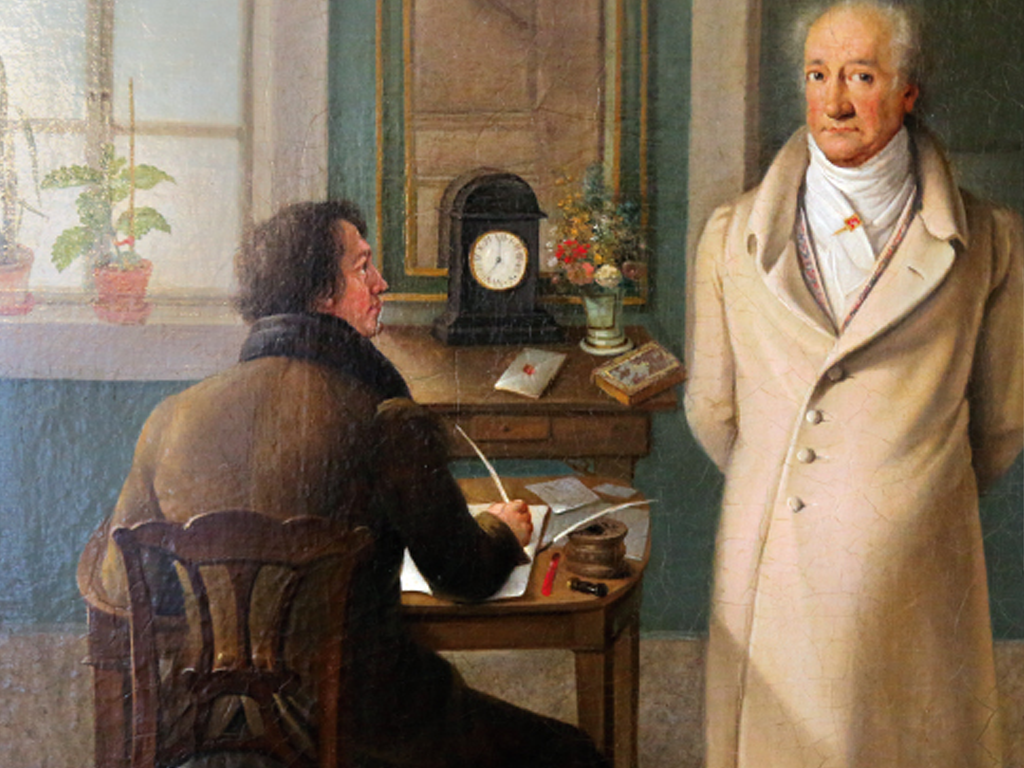
Johann Wolfgang von Goethe und Friedrich Schiller sind die wichtigsten Vertreter der klassischen Literaturepoche, die zwischen 1786 und 1805 in Weimar ihre Blütezeit hatte. Herausragend war dabei die Freundschaft zwischen Goethe und Schiller, die sich nach anfänglicher Rivalität zu einem äußerst kreativen „Miteinander“ entwickelte. Nicht zuletzt ist dies durch ihren jahrelangen Briefwechsel bestens dokumentiert. Wir untersuchen die Jugend und Entwicklung von Goethe, seine ersten Werken. Ebenso wird Schiller im Vergleich dargestellt und Gemeinsamkeiten aufgezeigt. Wir beleuchten ihre historischen und philosophischen Voraussetzungen. Der Schwerpunkt liegt auf ihrer Zeit in Weimar, wobei ein besonderes Augenmerk auf ihr kreatives Miteinander und den Austausch von ca. 1.000 Briefen gelegt wird. Ein abschließendes intensives Kapitel ist dem Klassiker „Faust“ gewidmet.
Der Unterrichtsfilm ist gemeinsam mit dem sehr umfangreichen Unterrichtsmaterial (klassische und interaktive Arbeitsblätter sowie Testaufgaben) bestens zum Einsatz im Schulunterricht geeignet.
Play trailer
- <> Languages : DE, EN, TR
- <> Target Groups : Sek I, Sek II
- <> Subject : German
- <> Length : 26:27 min
- View in learning platform
Licenses
Curriculum-centred and oriented towards educational standards
Matching

Part Time Kings
Your children are not your children
Inclusion
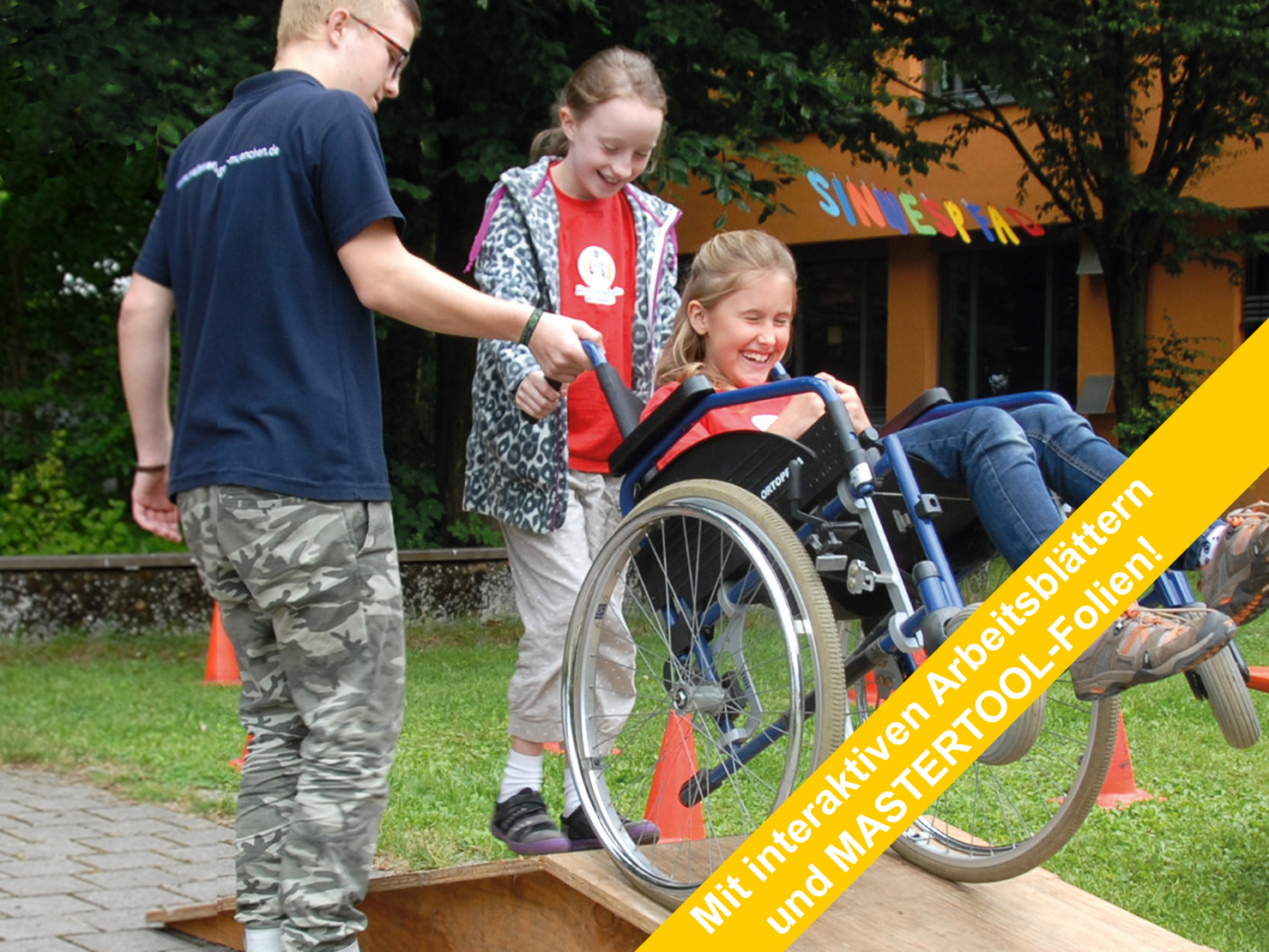
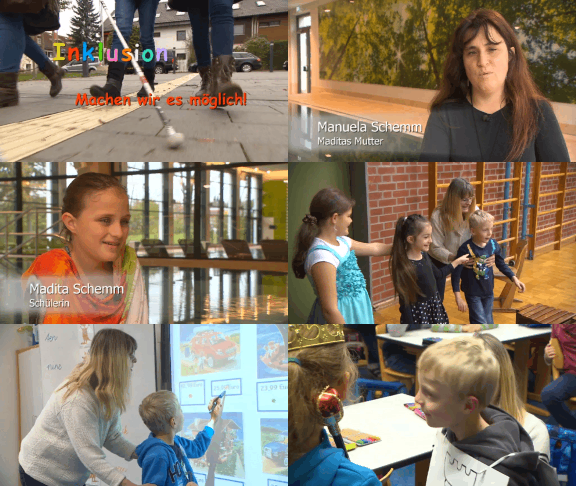
Madita is eleven and blind. She does not want to go to a special school but to a regular grammar school. She says she feels "normal" there. Jonathan is eight and has a walking disability. He likes going to the school where he lives. Here, his best friend sits next to him. Max Dimpflmeier, a teacher who is severely deaf, explains that school life is not easy. Quote Max Dimpflmeier: "You don't want to attract attention, you want to avoid saying that it is necessary for you that 70 people adjust to your situation." People on their way to inclusion.
Seal of approval
Quality seals such as the "Bio-Siegel", "Blauer Engel", "Stiftung Warentest" and up to 1,000 other seals represent characteristics such as sustainability, health or safety with regard to a product, a service or even a company.