







 History
4667679 / 5558938
Second World War I
War of the Great Powers
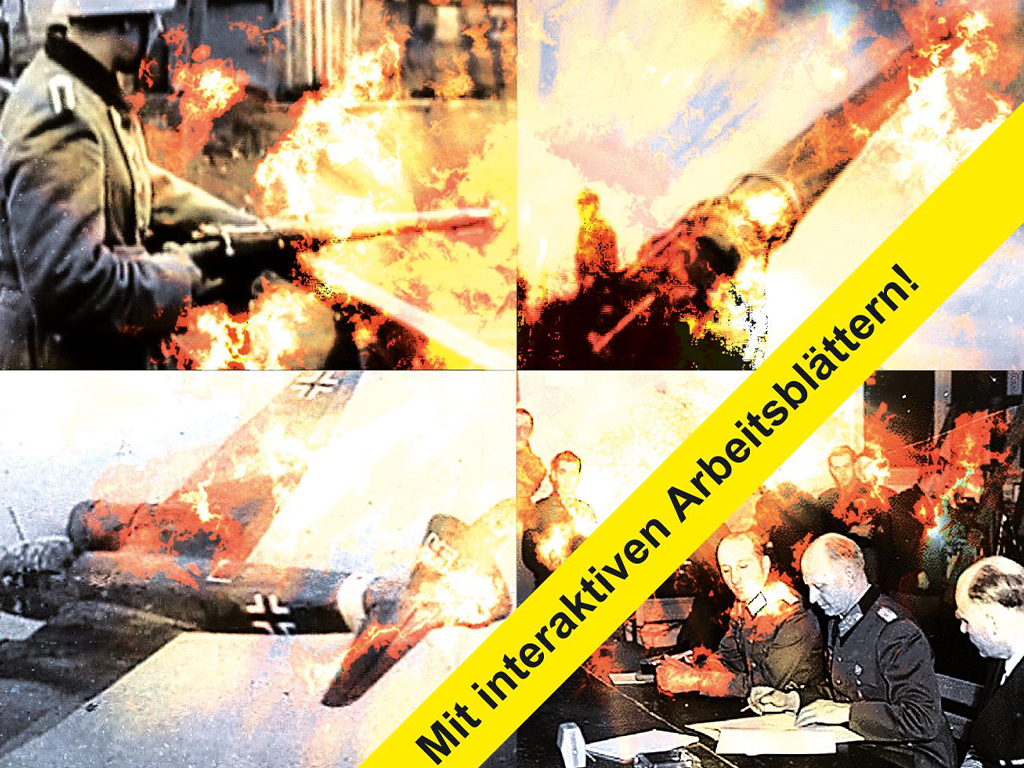
When, on 1st September 1939, the German Wehrmacht unleashed the Second World War with the attack on Poland, nobody could have visualised what immense suffering and gigantic destruction would descend on mankind during the following six years. More than 57 million people, including almost 27 million Russians, paid for the German quest for world domination with their lives. Incited by populist ideas, almost an entire nation enthusiastically went to “all-out war”, thus plunging the world into the second great disaster of the 20th century. But shouldn’t people have known better considering that the First World War had only just been 21 years before?
DVD 1: The first part explores wherein the causes of the Second World War are to be found. How did the National Socialists with Adolf Hitler at their head contrive to hide their true intentions from the entire world? Who were the first victims and what were the underlying tactics of the campaigns? How did the conflict escalate into a world war?
Curriculum-centred and oriented towards educational standards
Matching
Peer Mediation
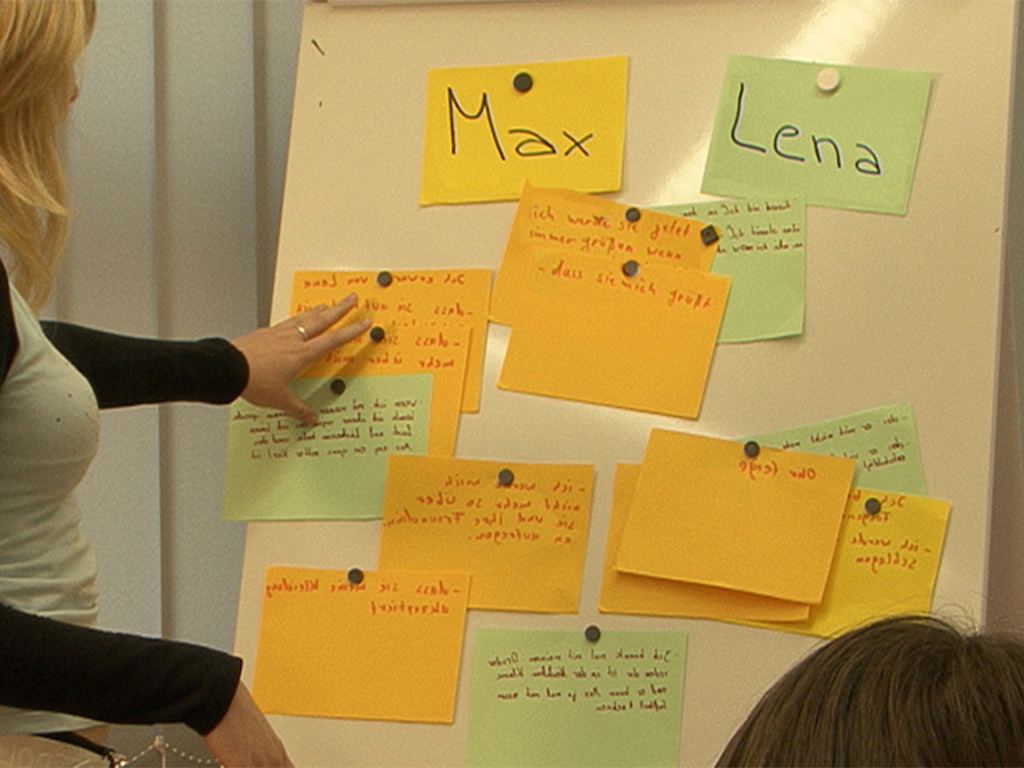
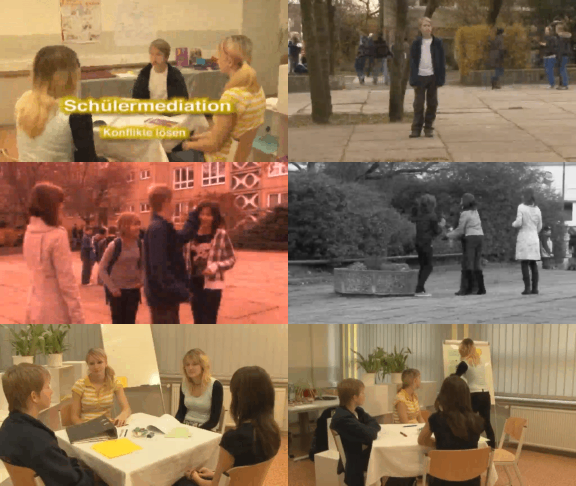
Lena and Max attend the 7th form. Max is new in class. During a break, Max notices that Lena and her friend are laughing at him again. Max loses his temper! He slaps Lena in the face. That hurts and Lena runs back into the classroom with a red cheek. The growing conflict between the two has escalated. Just like Lena and Max, every day pupils all over Germany have rows with each other. At the Heinrich Hertz Gymnasium in Thuringia, pupils have been trained as mediators for years. At set hours, they are in a room made available by the school specifically for mediation purposes. The film describes the growing conflict between Max and Lena and shows a mediation using their example. In doing so, the terms “conflict” and “peer mediation” are explained in a non-technical way. The aims of peer mediation and its progress in five steps as well as the mediators’ tasks are illustrated. The art of asking questions and “mirroring”, which the mediators must know, is described and explained. Together with the comprehensive accompanying material, the DVD is a suitable medium to introduce peer mediation at your school, too.
Tolerance
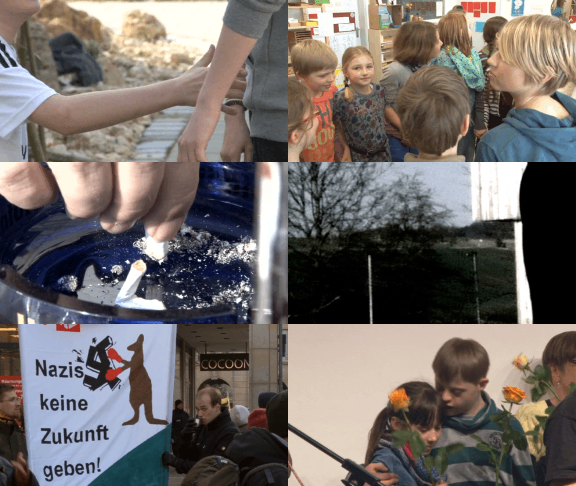
“Tolerance means being generous and kind to other people and helping them, too.”

Computer Games
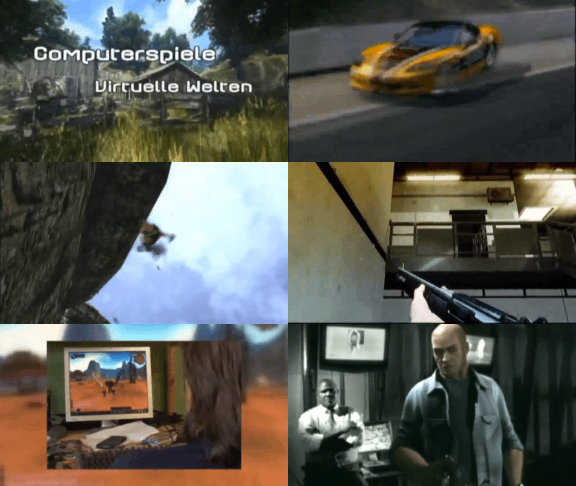
This film covers the topic of computer games in a variety of ways and from many different angles. Apart from the fascina- tion of computer games for users, the historical development as well as the production of computer games are described. The established genres are introduced, the guidelines of the German BPjM are explained. In light of recent public discussions, a neutral overview of the pros and cons of playing computer games is given, and different kinds of player behaviour are outlined. In this film, the pupils will recognise many aspects of their favourite pastime that encourage an independent, constructive use of this medium and reinforce their media competency. The film and teaching material are very closely related to the real-life situation.