







 History
4667679 / 5558938
Second World War I
War of the Great Powers
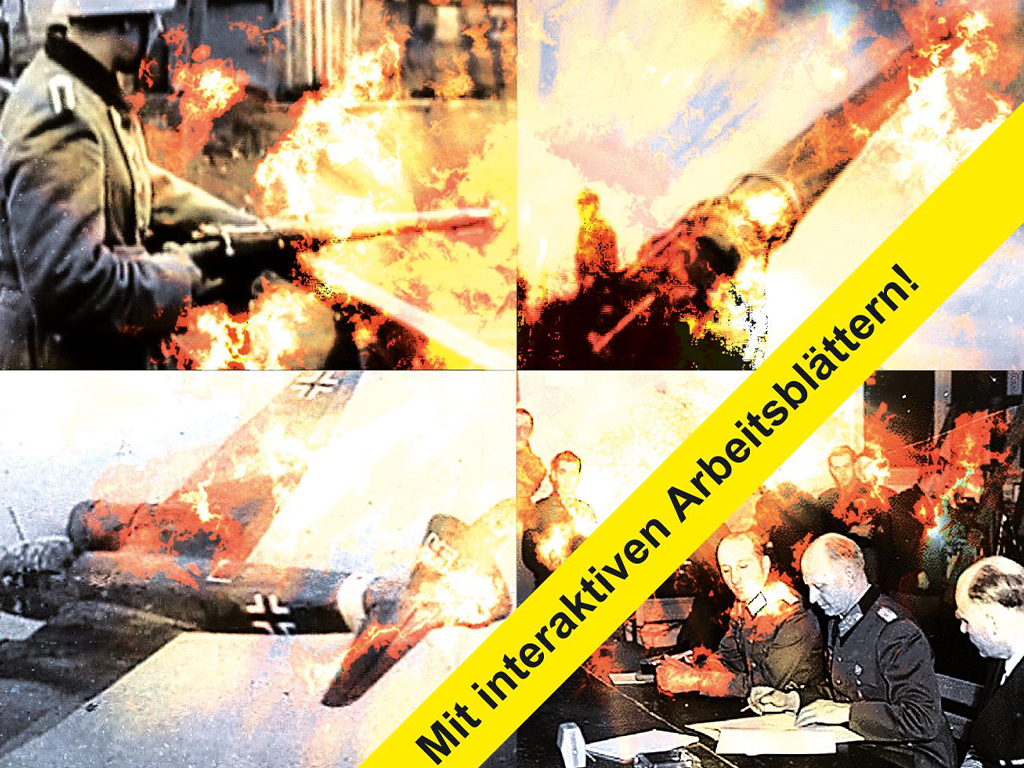
When, on 1st September 1939, the German Wehrmacht unleashed the Second World War with the attack on Poland, nobody could have visualised what immense suffering and gigantic destruction would descend on mankind during the following six years. More than 57 million people, including almost 27 million Russians, paid for the German quest for world domination with their lives. Incited by populist ideas, almost an entire nation enthusiastically went to “all-out war”, thus plunging the world into the second great disaster of the 20th century. But shouldn’t people have known better considering that the First World War had only just been 21 years before?
DVD 1: The first part explores wherein the causes of the Second World War are to be found. How did the National Socialists with Adolf Hitler at their head contrive to hide their true intentions from the entire world? Who were the first victims and what were the underlying tactics of the campaigns? How did the conflict escalate into a world war?
Curriculum-centred and oriented towards educational standards
Matching
Stalking
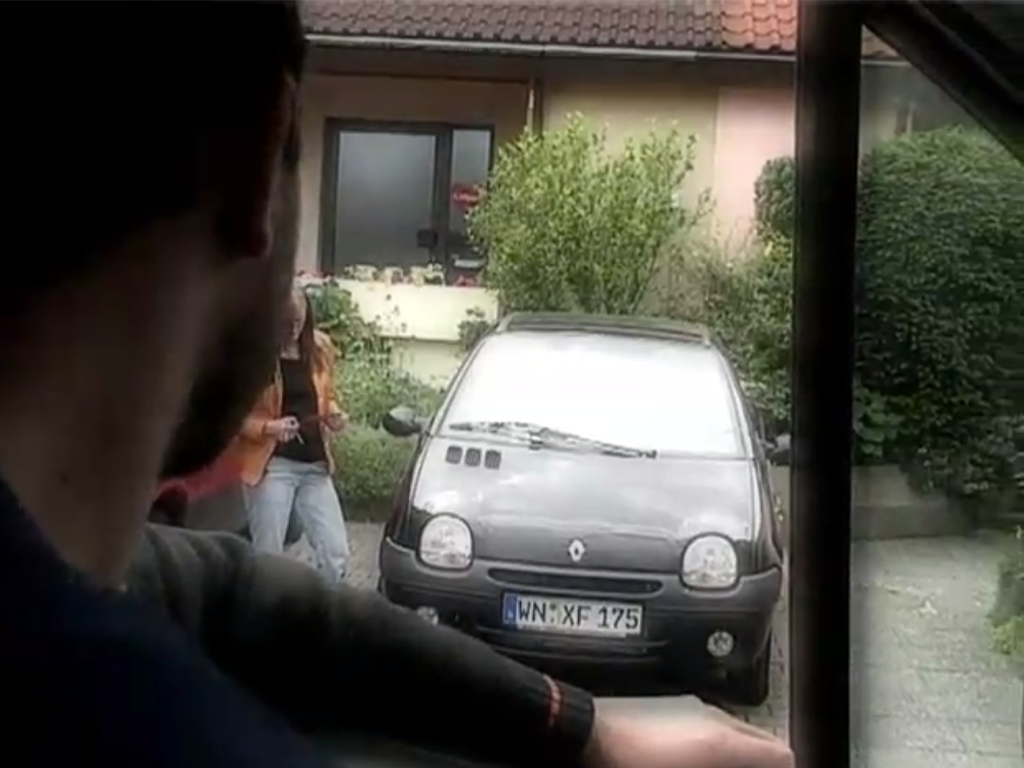
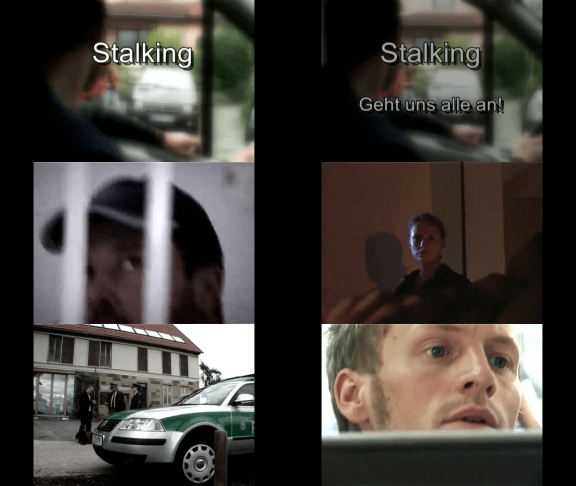
n Germany, 12 % of all federal citizens are pursued by a stalker once in their lives. And not only celebrities are among their victims! Everyone may be confronted with such a situation.

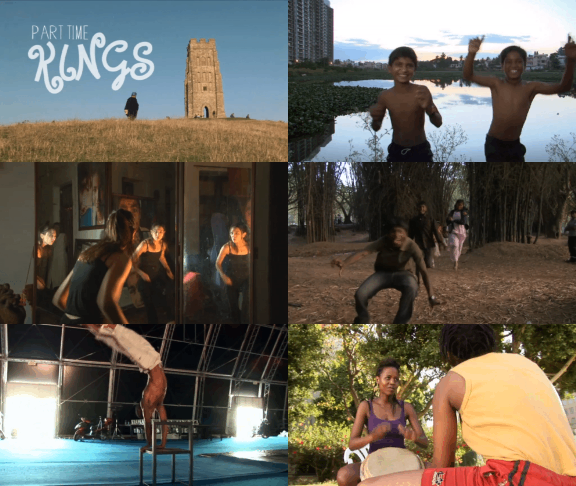
Part Time Kings
Your children are not your children


Big Data
Original soundtrack young woman: