







 Sports
4668255 / 5559746
Fahrrad
Umweltfreundlich bewegen
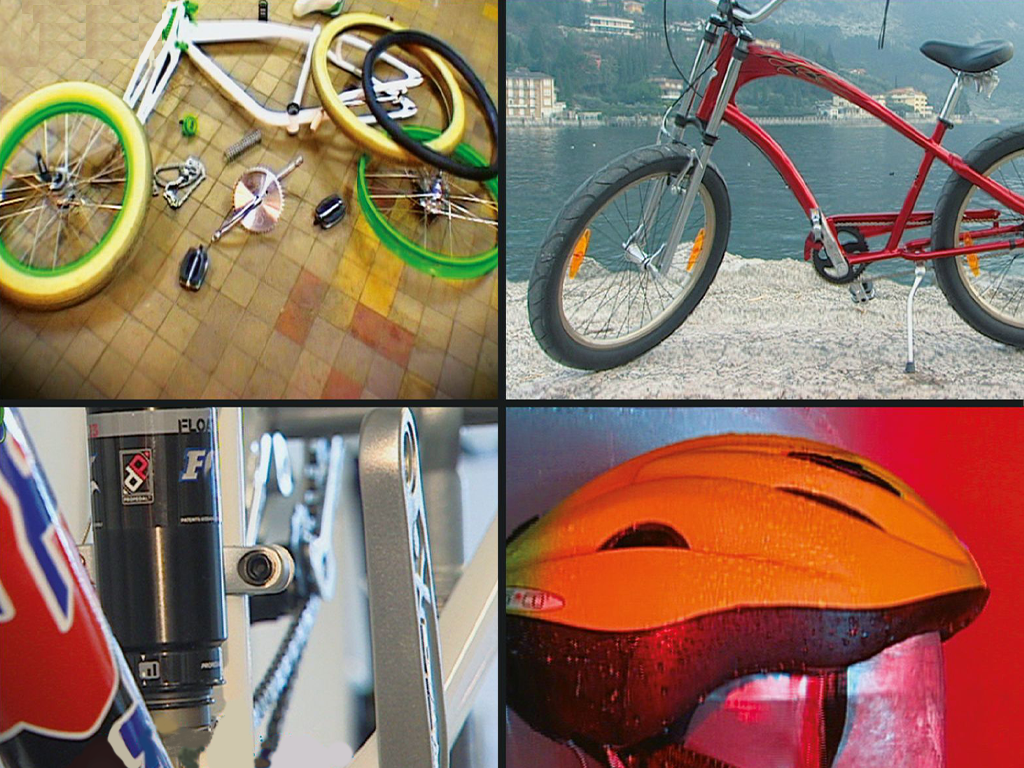
Das Fahrrad ist nicht nur das erste Individualverkehrsmittel gewesen, es ist bis heute auch das preiswerteste geblieben. Fahrradfahren ist zum Lieblingssport der Deutschen geworden. Fero Andersen macht auf dem Rennrad eine Rundtour um den Gardasee. Mit dabei ist ein Fahrradprofi und ein eher untrainierter Mensch – was passiert im Körper der drei Radler? Ist Fahrradfahren wirklich so gesund wie angepriesen und wenn ja, warum? Joey Grit Winkler nimmt mithilfe eines Profis die verschiedenen Fahrradtypen unter die Lupe und erklärt ihre Vorzüge: Rennrad, Mountainbike, Trekkingrad, Cruiser und Co. – für welches Terrain eignen sie sich am besten? Die Redewendung „Das ist wie das Fahrradfahren – das verlernt man nie!“ wird häufig verwendet. Wir gehen der Sache auf den Grund: Welche Fähigkeiten brauchen wir, um Rad zu fahren, und warum verlernen wir es nie? Ein modernes Fahrrad besteht aus Tausenden von Einzelteilen – wir zeigen, wie aufwendig die Produktion der heutigen High-Tech-Fahrräder ist und wie akribisch die Fahrräder getestet werden. Was muss ein Fahrrad alles haben, um in Deutschland eine Straßenzulassung zu erhalten? Außerdem in der Sendung: Wie viel hält ein Fahrradhelm aus? Wie schwer sind Fahrradschlösser zu knacken? Dazu gibt es die besten Tipps von einem Fahrraddoktor, wie man ein Fahrrad schnell und einfach repariert.
Play trailer
Curriculum-centred and oriented towards educational standards
Matching


Blogging
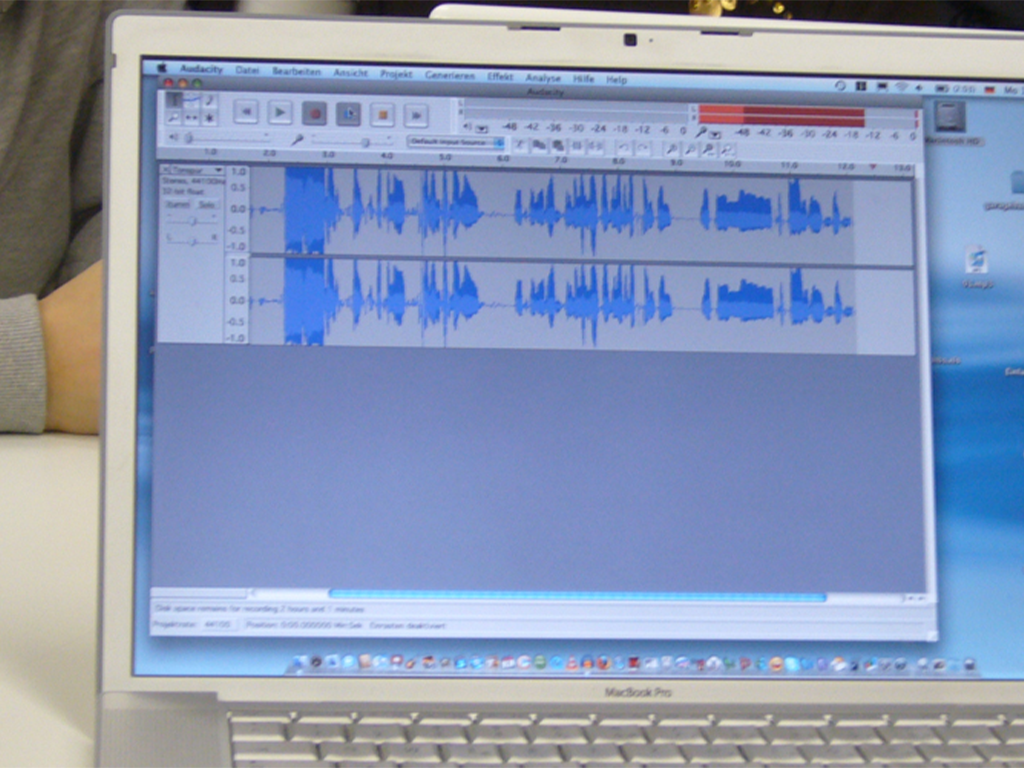
The weblog or blog, for short, as a medium is not much older than this century. Blogs came into being in the World Wide Web as ’messages from below’, as web pages from web creators who wanted to share their view of the world with the world. They are short notes, long texts, pictures, videos, which are posted loosely and at random intervals to the world for an undefined public.
Podcasting
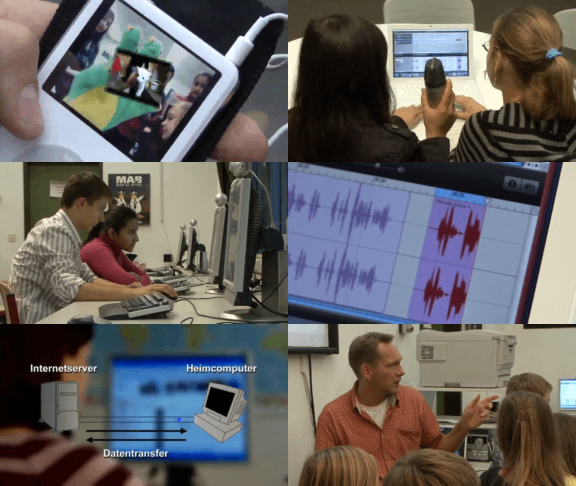
Today, the use of new media has become a matter of course not only in everyday life – schools and teaching, too, benefit from the new technologies and methods, which support active and independent learning. Especially in computer science, ethics and language courses but also in all other subjects, modern media are a valuable pedagogic and didactic asset. This DVD uses the example of podcasts to demonstrate how the possibilities opened up by new media can be applied in the classroom and how the pupils can be taught to handle them in a competent and target-oriented manner. The film is aimed at supporting the use of podcasts at school and encourages making them. This also requires the ability to find information on the Internet and assess it. The film informs on the functionality of podcasts and technical background as well as on the teaching and learning possibilities offered by podcasts – ranging from specific contents to superordinate learning targets such as the advancement of creativity and team spirit. The DVD is a useful support for teachers applying new media and wishing to show their pupils how to handle Running Time: 20:29 ms them in a sensible way.

Internet Addiction
The film consists of two parts. The first part is the 15-minute short film “In the Net”. It describes the problem of excessive Internet use in a humorous way, in particular the risk of losing touch with reality when chatting. The second part illustrates with three real persons how Internet addiction can develop and the problems encountered by those who are afflicted. The authentic statements are commented by an experienced therapist. For many pupils, the issues addressed here are related to their everyday lives. What is a “sensible” use of the Internet, where does pathological addiction start? In contrast to addiction to alcohol, nicotine or drugs, the public seems to be largely ignorant of the problem of this addiction, which is not related to any substance abuse. The film provides material for discussion in the classroom (crossdisciplinary) and can be used as a basis for the formulation of prevention strategies.