







 Primary School
4667161 / 5558687
Wetter
Nach Regen kommt oft Sonnenschein
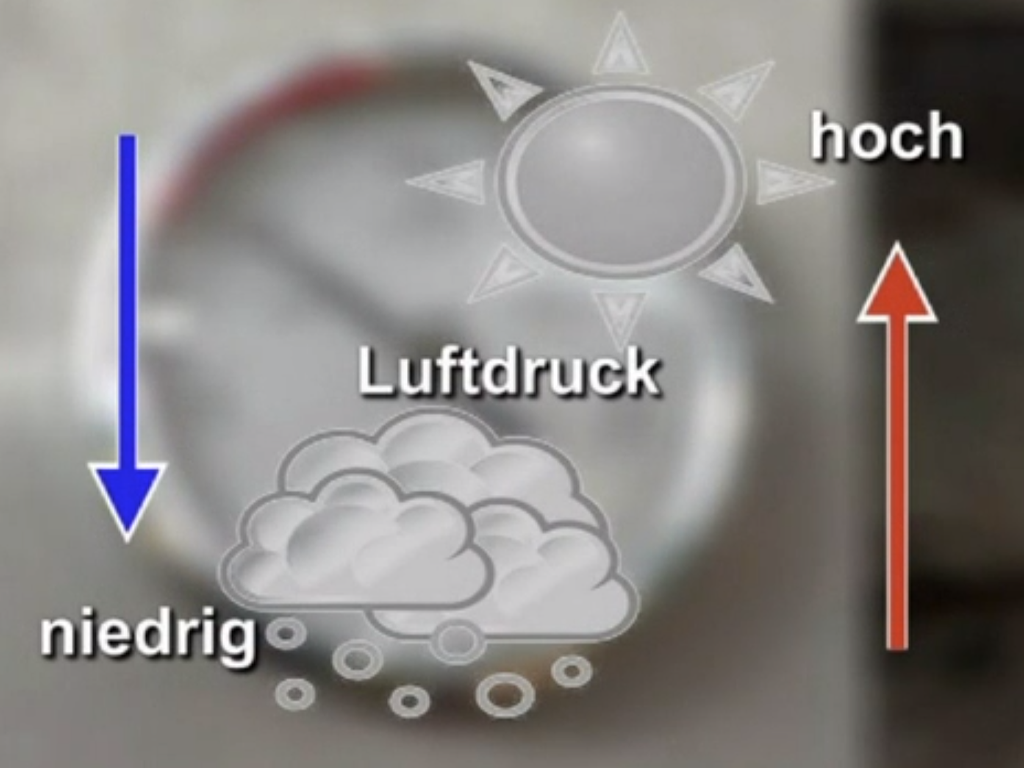
„Nach Regen kommt oft Sonnenschein – Das Wetter“ „Schau dich schlau!“ nimmt heute die verschiedenen Wetterbedingungen unter die Lupe. Wie entstehen Wind, Gewitter, Regen und Hagel? Außerdem zeigen unsere Moderatoren Joey Grit Winkler und Fero Andersen, wann die verschiedenen Wetterlagen für den Menschen gefährlich werden können. Im Selbstversuch testet Fero Andersen, bei welchen Windstärken ganz normale, alltägliche Tätigkeiten wie Frühstücken, Zeitung lesen oder Rasieren überhaupt noch möglich sind. Außerdem beweist er, dass ein teurer Regenschirm nicht unbedingt der Beste sein muss.
Währenddessen findet Joey Grit Winkler bei der weltweit größten Wettermesskampagne heraus, welche Daten für eine Wettervorhersage erhoben werden und wie genau die Wetterberichte heutzutage sind. Zur Sicherheit erklärt sie aber auch, wie viel Wahrheit hinter Bauernregeln steckt.
Außerdem: Welche Durchschlagskraft hat Hagel und wie kann man sich am wirksamsten gegen die Eisbomben schützen? Was ist dran an diversen Wettermythen: Wird Milch bei Gewitter wirklich sauer? Welche Bäume schützen vor Blitzen am besten?
Im ausführlichen PC-ROM-Teil:
auf den Film abgestimmtes Begleitmaterial:
8 Seiten Arbeitsblätter!
4 Arbeitsblätter für interaktive Whiteboards!

Curriculum-centred and oriented towards educational standards
Matching
Tolerance
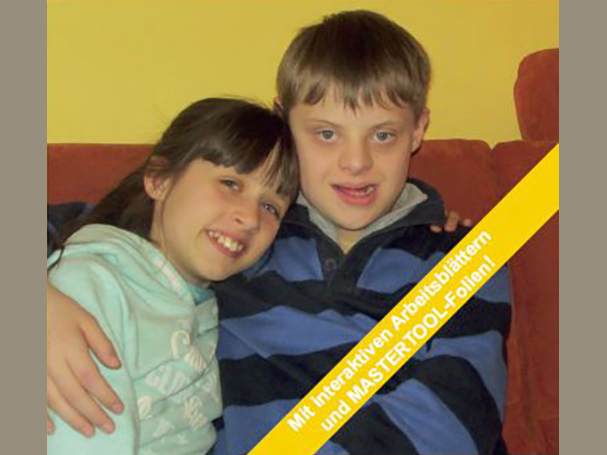
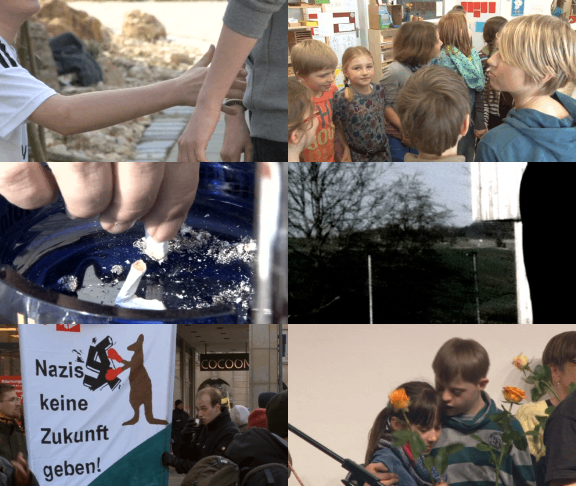
“Tolerance means being generous and kind to other people and helping them, too.”
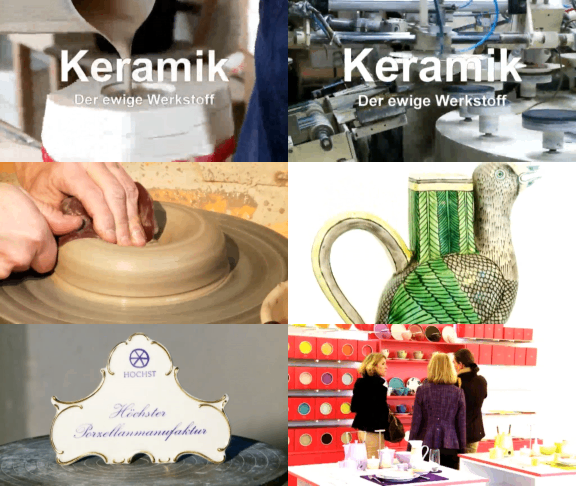
Ceramic
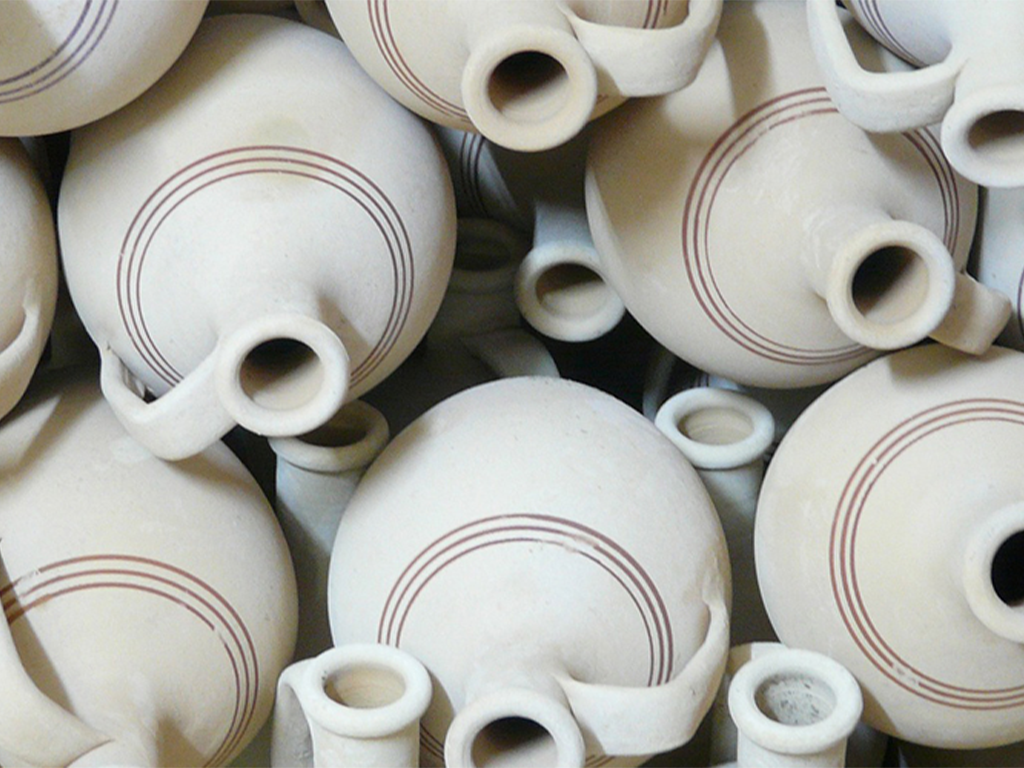
Ceramics are indispensable in our everyday lives. We eat from ceramic plates, drink from ceramic cups, use tiled ceramic bathrooms. But how is ceramic manufactured? The film reveals the secrets of this fascinating material! We get to know more about the beginnings of ceramic in the Old World of Egypt and Mesopotamia, about Greece, China and Rome. We gain interesting insights into the valuable earthenware and are also shown the exquisite further development of the "white gold". Today this versatile material is irreplaceable in industry, too. Whether in space or as an easily compatible substitute in medicine, ceramic is applied in many places.
Ideals of Beauty
1. What Is Beautiful?