







 Primary School

4677088 / 5564380
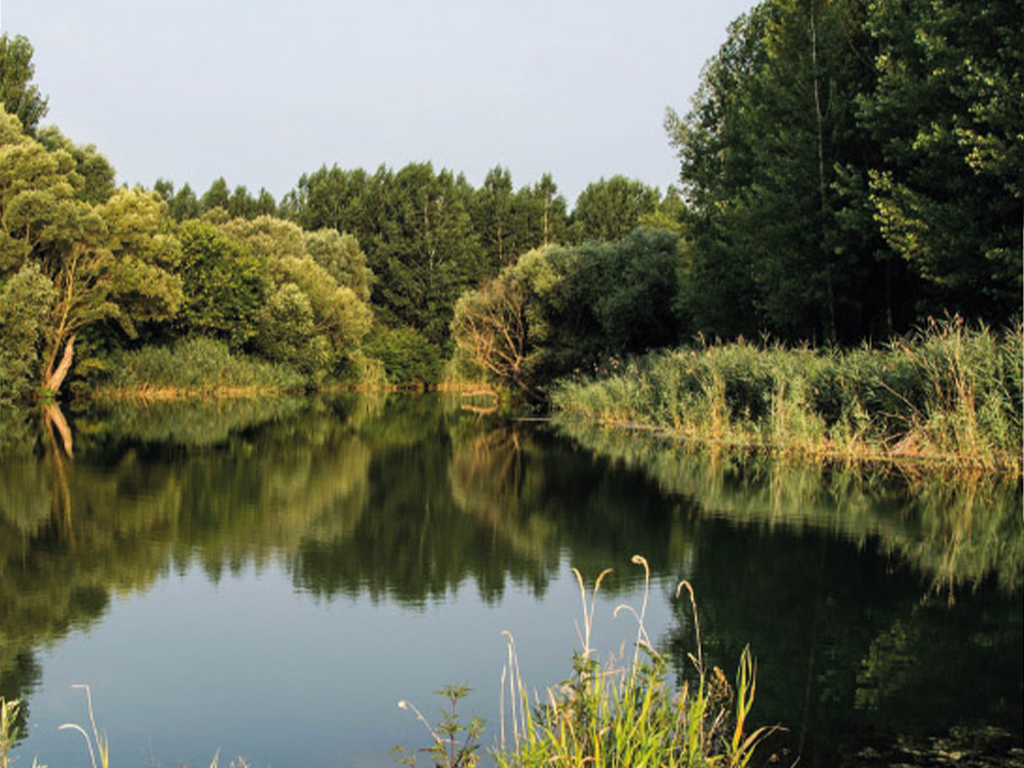
Riparian Forest
Biotope on the Water
A large area of Europe is covered by woodland. In Germany alone, the number of trees is estimated at about 90 billion at present. That means, in Germany there are more than 1,000 trees per inhabitant.
But the forests and trees are not all the same. There are, for example, deciduous forests and coniferous forests, which are distinguished according to the tree species that grow there or were planted there by humans.
Also the type and use of the forest for humans vary. In the Alpine regions there is a protective forest that shields people from avalanches or landslides. There are parks and forests that serve, above all, recreational purposes in people’s leisure time. And there are forests where trees are planted that grow particularly fast so that their wood can be used after only a few years when the trees are cut down.
Besides all these types of forests, the riparian forest is another particular form of woodland. It comes close to our idea of a primeval forest because it grows wild and uncontrolled. And, like in a real jungle, there are often no paths through this forest and if you walk through it nevertheless, your feet get wet very quickly most of the time. Because there is always water in a riparian forest.
- <> Languages : DE, EN
- <> Target Groups : GRU
- <> Subject : Primary School
- <> Length : 25:45 min
- View in learning platform
Licenses

Curriculum-centred and oriented towards educational standards
Matching


Blogging
The weblog or blog, for short, as a medium is not much older than this century. Blogs came into being in the World Wide Web as ’messages from below’, as web pages from web creators who wanted to share their view of the world with the world. They are short notes, long texts, pictures, videos, which are posted loosely and at random intervals to the world for an undefined public.

Computer Games
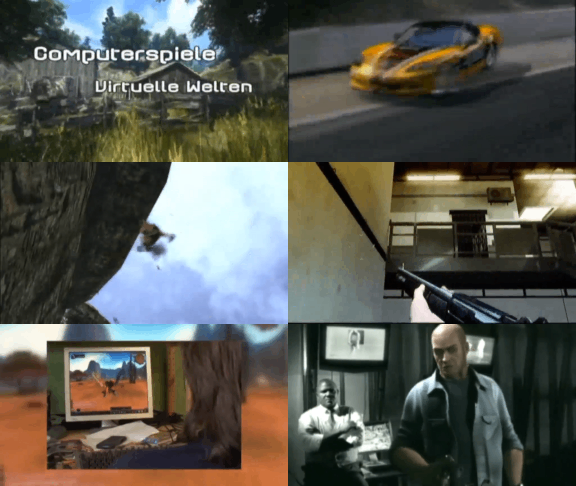
This film covers the topic of computer games in a variety of ways and from many different angles. Apart from the fascina- tion of computer games for users, the historical development as well as the production of computer games are described. The established genres are introduced, the guidelines of the German BPjM are explained. In light of recent public discussions, a neutral overview of the pros and cons of playing computer games is given, and different kinds of player behaviour are outlined. In this film, the pupils will recognise many aspects of their favourite pastime that encourage an independent, constructive use of this medium and reinforce their media competency. The film and teaching material are very closely related to the real-life situation.
Ceramic
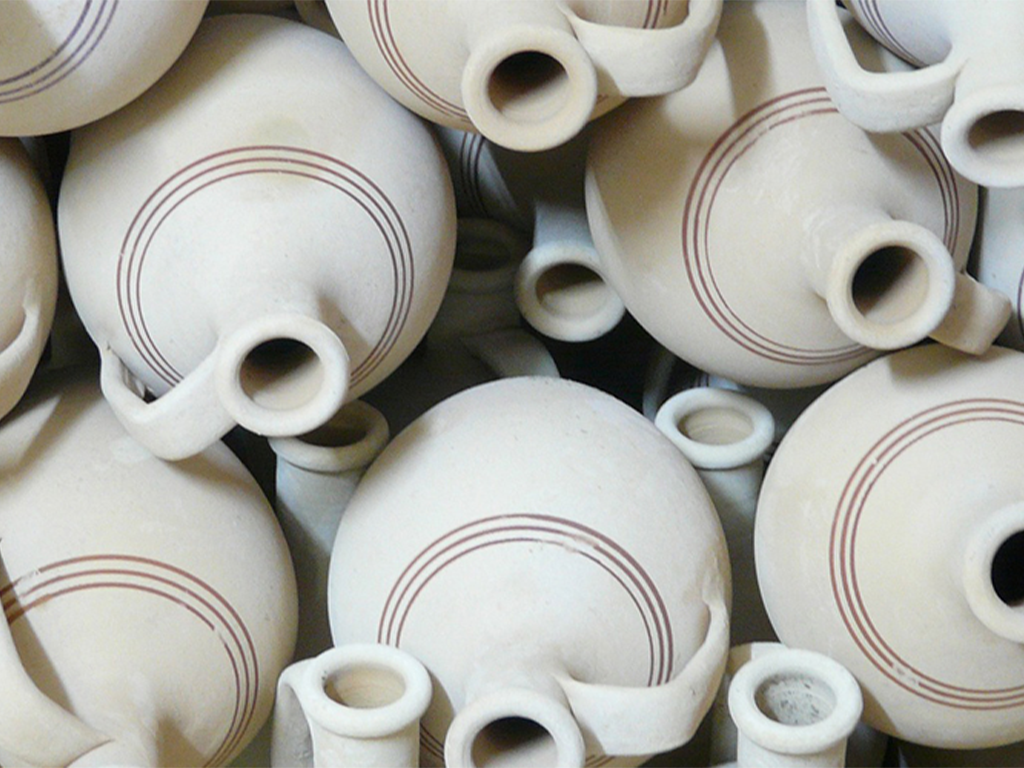
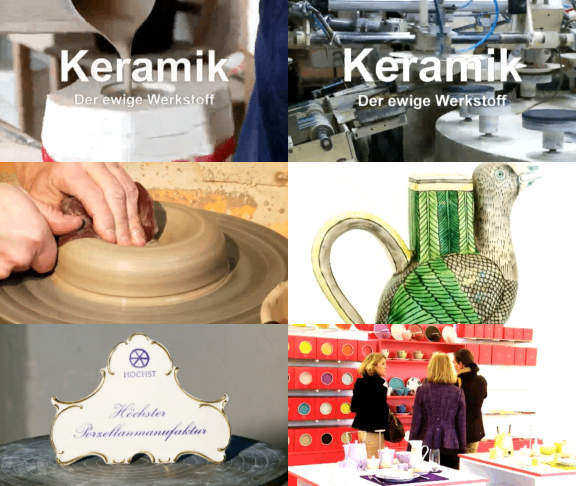
Ceramics are indispensable in our everyday lives. We eat from ceramic plates, drink from ceramic cups, use tiled ceramic bathrooms. But how is ceramic manufactured? The film reveals the secrets of this fascinating material! We get to know more about the beginnings of ceramic in the Old World of Egypt and Mesopotamia, about Greece, China and Rome. We gain interesting insights into the valuable earthenware and are also shown the exquisite further development of the "white gold". Today this versatile material is irreplaceable in industry, too. Whether in space or as an easily compatible substitute in medicine, ceramic is applied in many places.