







 Politics / Civics
46505062 / 55504942
UNO
Structure, organization, tasks
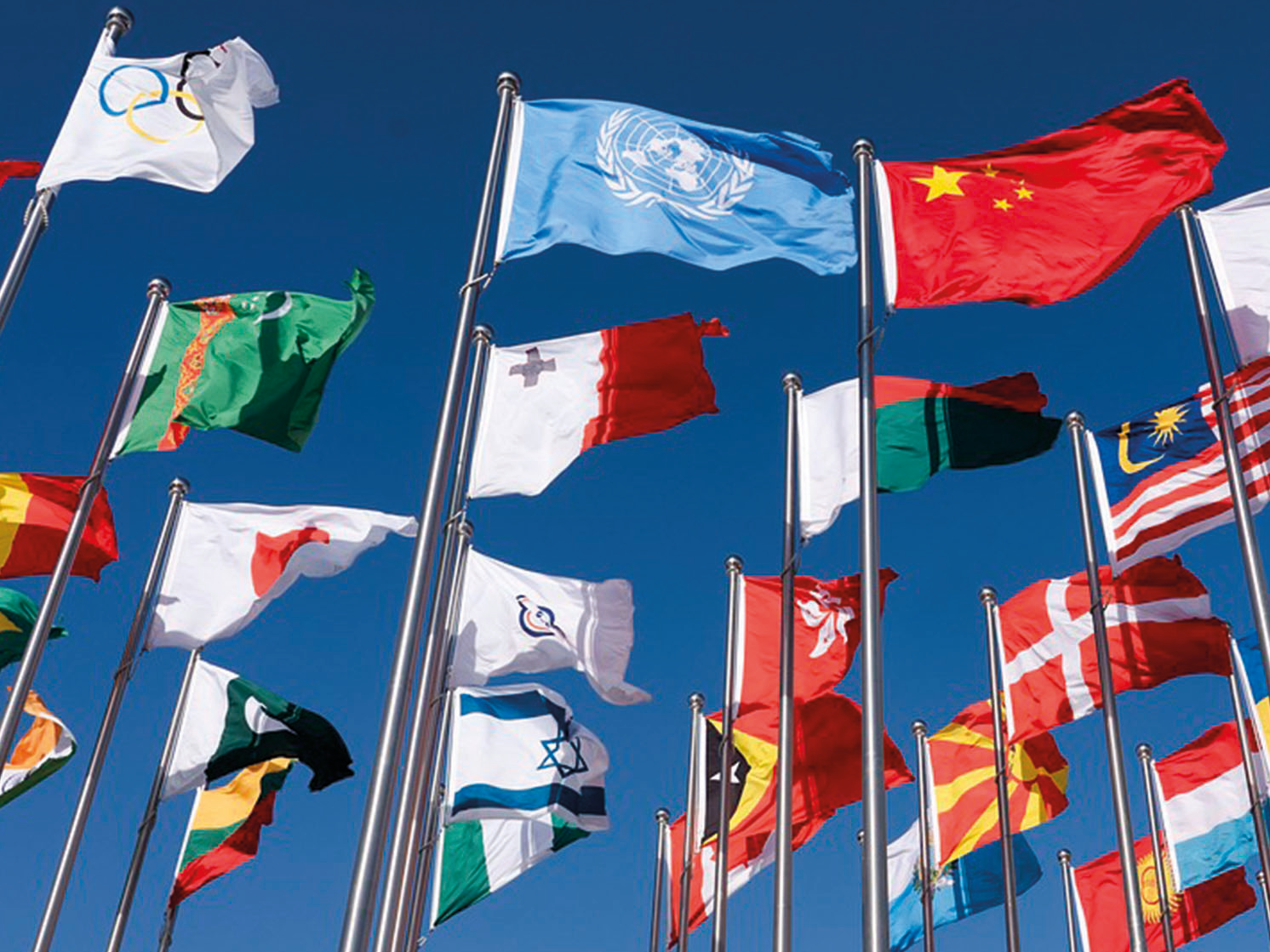
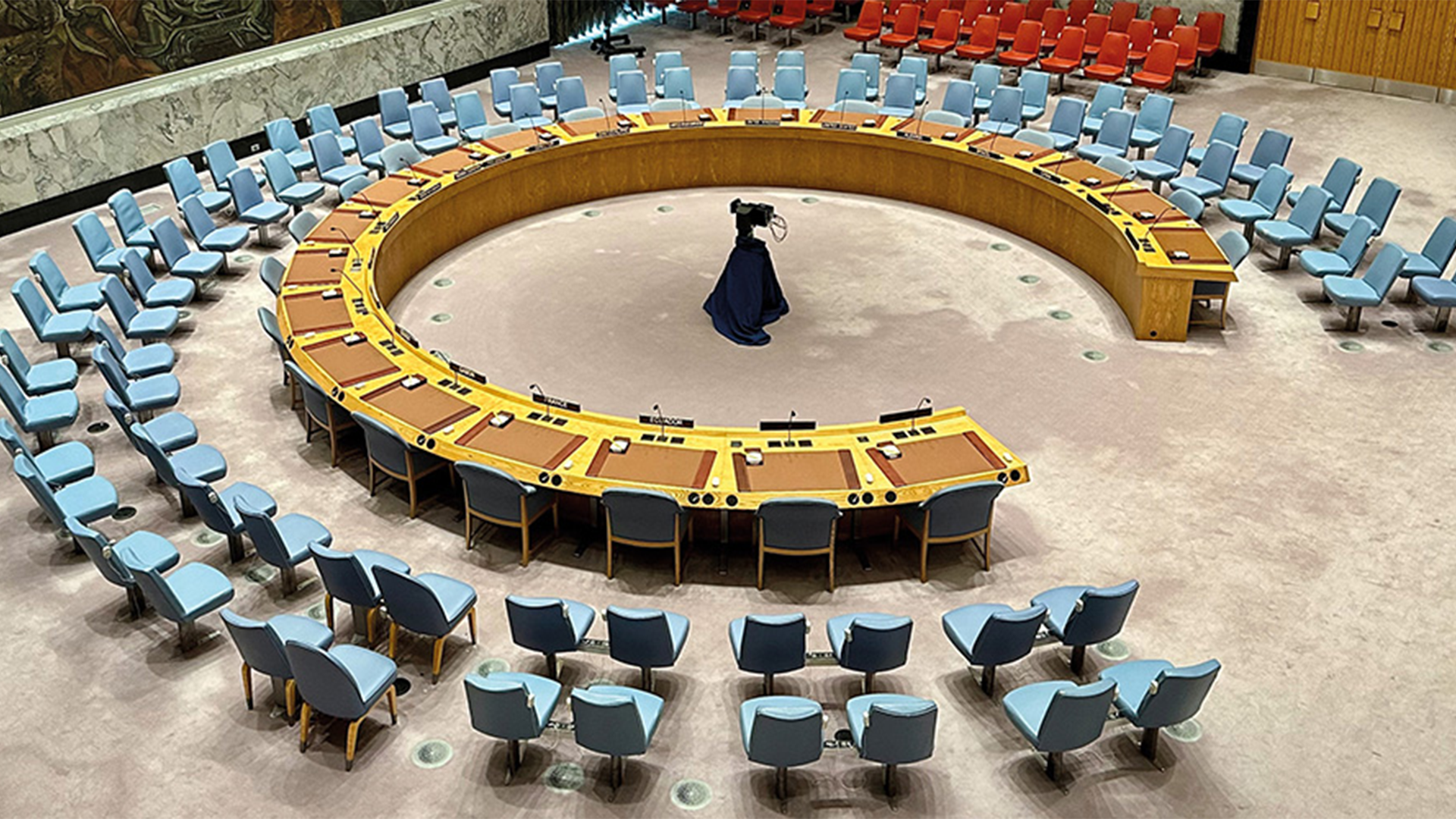
The UNO (United Nations Organization), in German the United Nations, is an international association with headquarters in New York. Since its founding in October 1945, its members have worked to maintain peace and security, respect for human rights and sustainable development.
The film documents the founding history and the defined goals. It also focuses on the description of both the main bodies and the subsidiary bodies, specialized agencies, programs and funds. The international cooperation is highlighted, but also the critical analysis in relation to the indispensable objectives on the one hand and on the other hand the limitations in their implementation.
Learning objectives:
Students will identify the UN organization, objectives and actions.
Students will analyze the value of democracy and pluralism.
Students will discuss world security issues and the limits of democracy.
In the detailed data section of the DVD 94 pages of teaching and accompanying material, of which:
20 pages of worksheets and supplements with solutions
20 test items
10 interactive tasks
Translated with www.DeepL.com/Translator (free version)
Curriculum-centred and oriented towards educational standards
Matching
Ideals of Beauty
1. What Is Beautiful?

Youth Movement
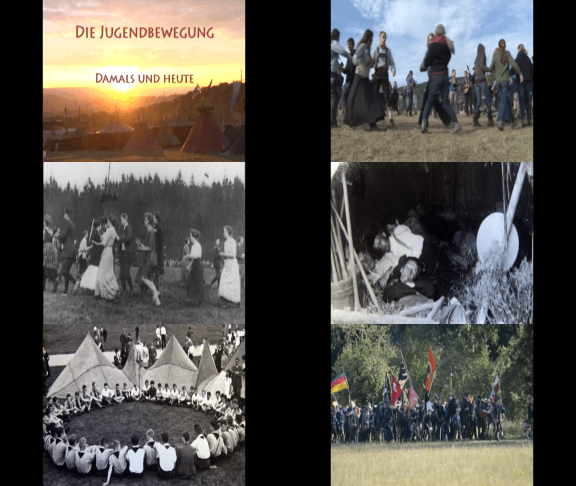
Dancing until your feet hurt: Here, at the meeting on the Hoher Meissner near Kassel, 3,500 participants from Boy Scout associations, youth and Wandervogel groups from all over the German-speaking region have gathered. They want to celebrate, simply get to know each other and commemorate a historic anniversary.
Product Piracy
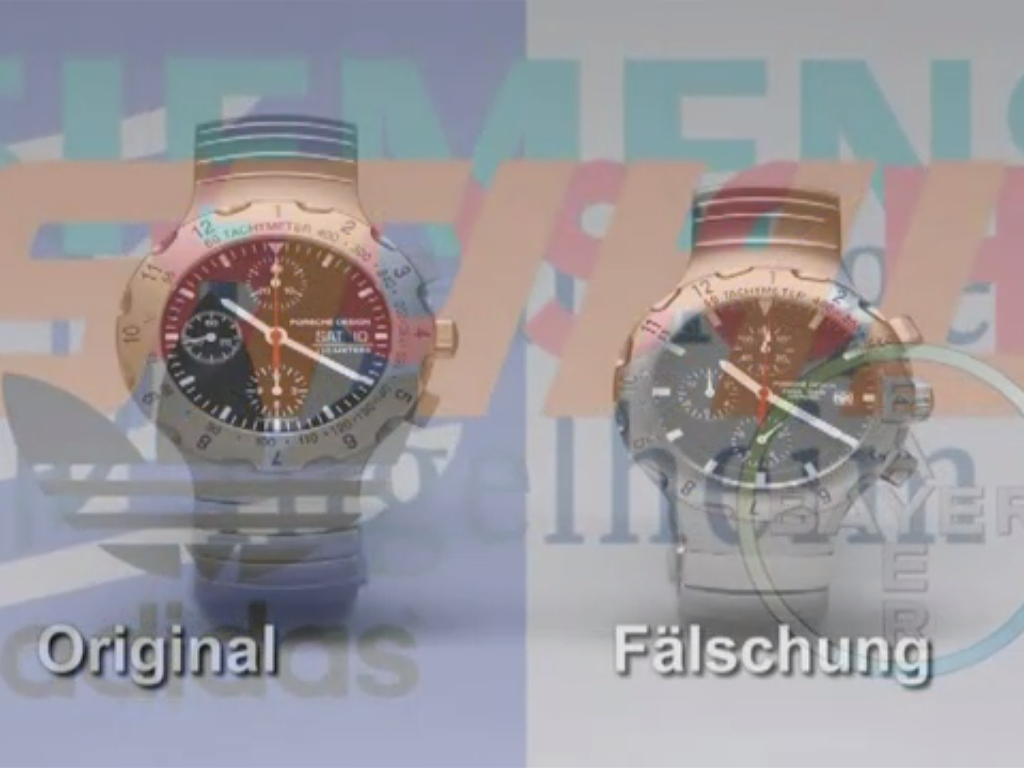
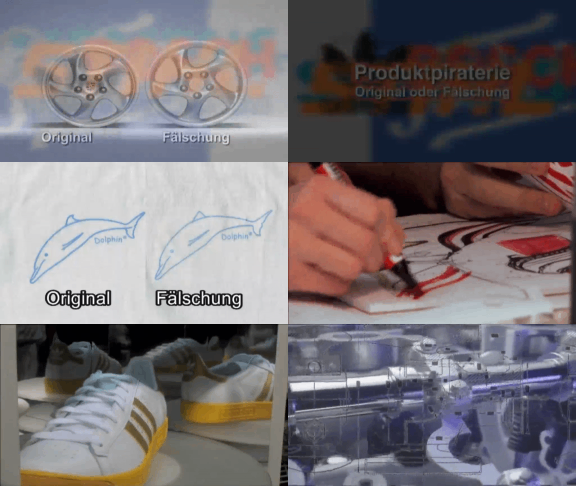
Counterfeiting takes place in almost all economic sectors – textiles, watches, car parts, machine parts, tools, accessories, software and medicines. Some counterfeits are easy to recognise, others are so well-executed that even experts have difficulty distinguishing between original and imitation. This DVD covers the development of a product from idea to manufacture. Once a product has become a trademark, product pirates appear on the scene.