







 Politics / Civics
46505062 / 55504942
UNO
Structure, organization, tasks
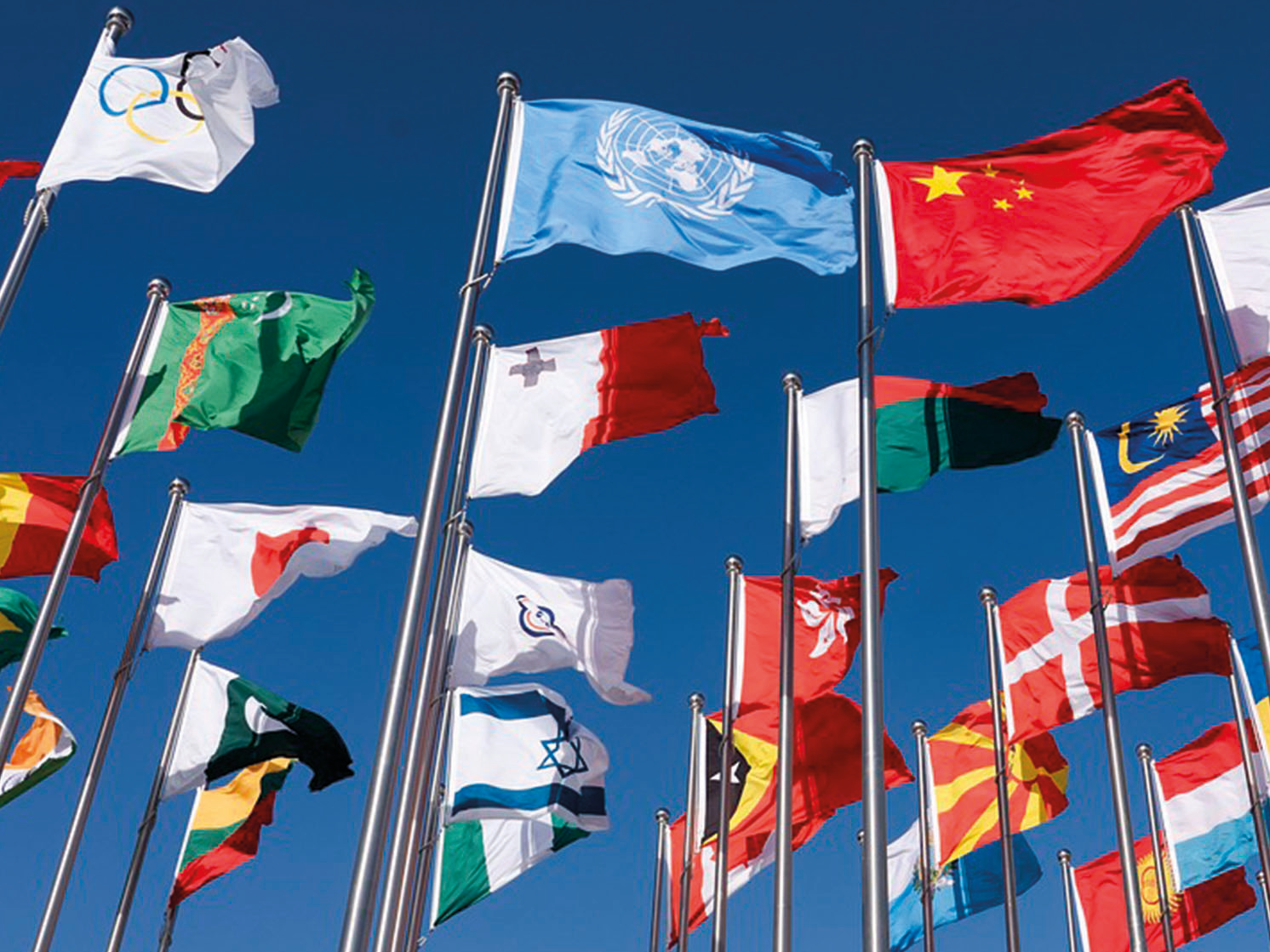
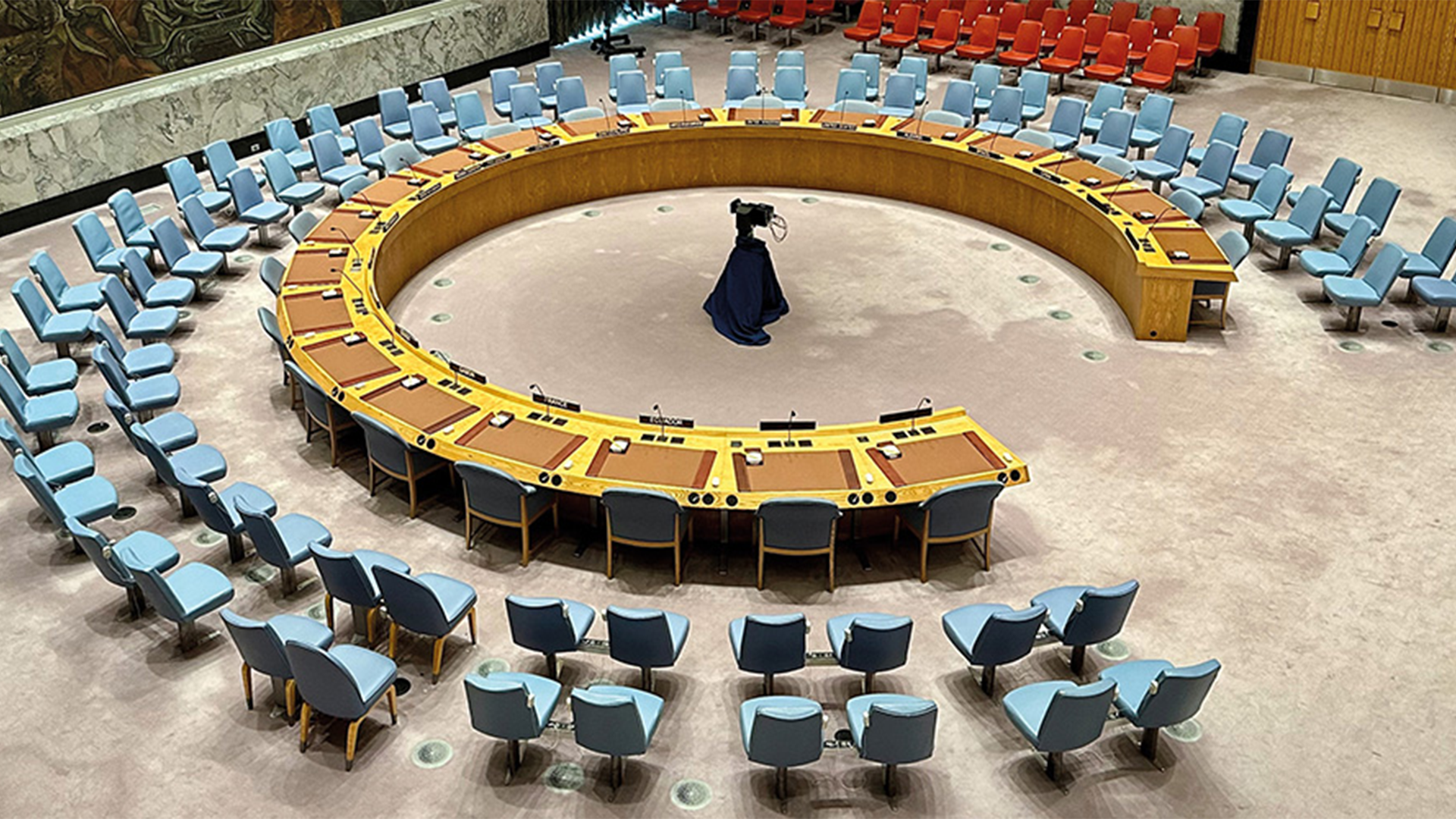
The UNO (United Nations Organization), in German the United Nations, is an international association with headquarters in New York. Since its founding in October 1945, its members have worked to maintain peace and security, respect for human rights and sustainable development.
The film documents the founding history and the defined goals. It also focuses on the description of both the main bodies and the subsidiary bodies, specialized agencies, programs and funds. The international cooperation is highlighted, but also the critical analysis in relation to the indispensable objectives on the one hand and on the other hand the limitations in their implementation.
Learning objectives:
Students will identify the UN organization, objectives and actions.
Students will analyze the value of democracy and pluralism.
Students will discuss world security issues and the limits of democracy.
In the detailed data section of the DVD 94 pages of teaching and accompanying material, of which:
20 pages of worksheets and supplements with solutions
20 test items
10 interactive tasks
Translated with www.DeepL.com/Translator (free version)
Curriculum-centred and oriented towards educational standards
Matching

Copyright
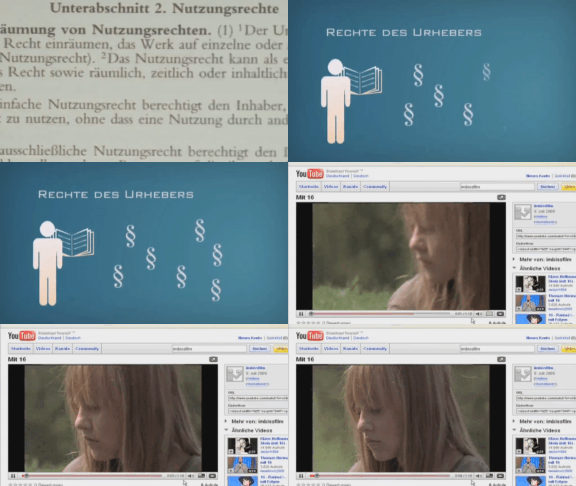
Copyright is subject to constant change to keep up with technological advances. This film enables the viewer to grasp the basic principles of this extremely intricate matter. By way of introduction, the film defines what an author is, what kinds of works there are and how long a work is protected on principle. Then the fundamental rights of an author are cited and it is shown how these are exploited in our times. In the third chapter, the respective rights are illustrated by way of practice-oriented examples of books, photos, music and films. Here, of course, an emphasis is laid on the field of education, taking into account the latest case law within the EU and Austria in particular. A further chapter highlights the problems arising with the Internet and goes into the citation law and pirate copies. All in all, in this way the viewer is made familiar with the most important basic terms and their meanings. Comprehensive worksheets and additional accompanying material invite us to deepen our knowledge of the subject.
Ceramic
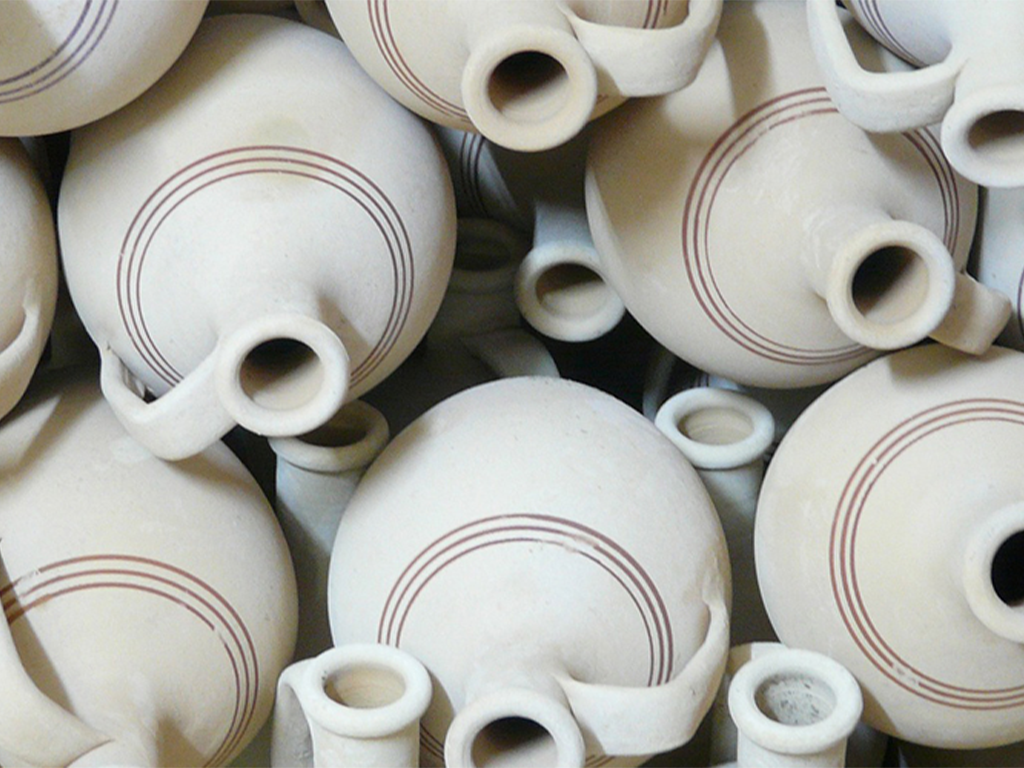
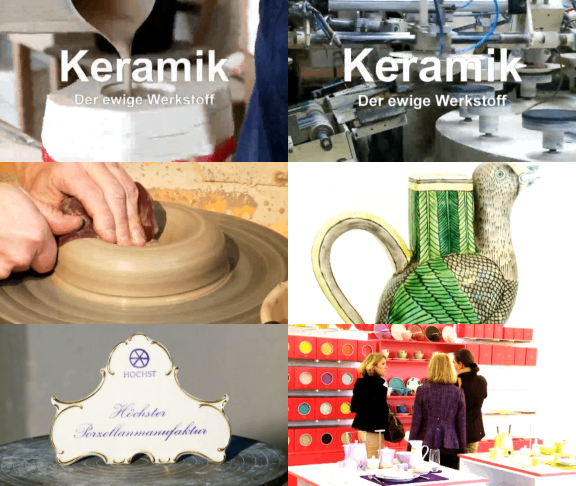
Ceramics are indispensable in our everyday lives. We eat from ceramic plates, drink from ceramic cups, use tiled ceramic bathrooms. But how is ceramic manufactured? The film reveals the secrets of this fascinating material! We get to know more about the beginnings of ceramic in the Old World of Egypt and Mesopotamia, about Greece, China and Rome. We gain interesting insights into the valuable earthenware and are also shown the exquisite further development of the "white gold". Today this versatile material is irreplaceable in industry, too. Whether in space or as an easily compatible substitute in medicine, ceramic is applied in many places.
Product Piracy
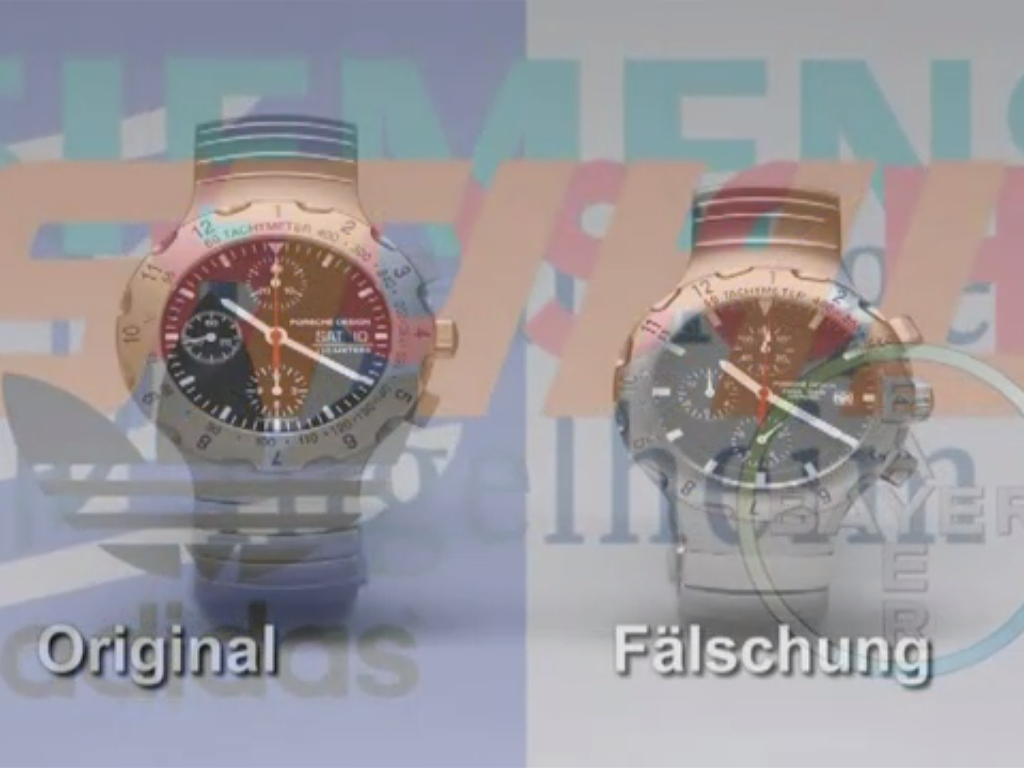
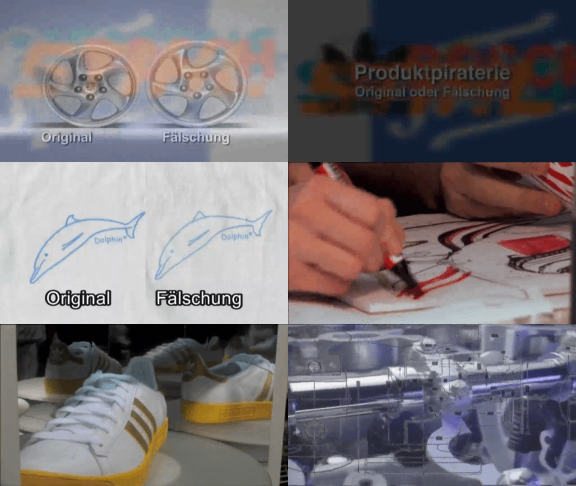
Counterfeiting takes place in almost all economic sectors – textiles, watches, car parts, machine parts, tools, accessories, software and medicines. Some counterfeits are easy to recognise, others are so well-executed that even experts have difficulty distinguishing between original and imitation. This DVD covers the development of a product from idea to manufacture. Once a product has become a trademark, product pirates appear on the scene.