







55502952
Wirbellose Tiere. Leben ohne Wirbelsäule
In 11 interaktiven Aufgaben wird Wissen zu den Wirbellosen vermittelt und abgefragt.
Das Medium bietet H5P-Aufgaben an, die ohne zusätzliche Software verwendbar sind.
Durch interaktive Aufgabentypen wird das audiovisuelle und interaktive Lernen einfach.
Lernen macht jetzt Spaß!
Included Tasks
- I Der Begriff „Wirbellose“ – Interaktive Aufgabe mit Video
- II Die Wirbeltiere – Interaktive Aufgabe
- III Körperbau der Wirbeltiere – Interaktive Aufgabe
- IV Klassen der Wirbellosen – Interaktive Aufgabe
- V Weichtiere – Interaktive Aufgabe mit Videos
- VI Körperbau der Weichtiere im Vergleich – Interaktive Aufgabe
- VII Gemeinsamkeiten der Gliederfüßer – Interaktives Schaubild
- VIII Spinnen; Krebse; Tausendfüßer – Interaktive Aufgabe mit Video
- IX Insekten – Interaktive Aufgabe mit Video
- X Metamorphose – Interaktives Video
- XI Bedeutung der Wirbellosen – Interaktive Aufgabe
Curriculum-centred and oriented towards educational standards
Matching


Skin
It is essential for survival. It can cool the body, but must be protected from the cold as well as the sun. It changes with age. We are talking about the skin.
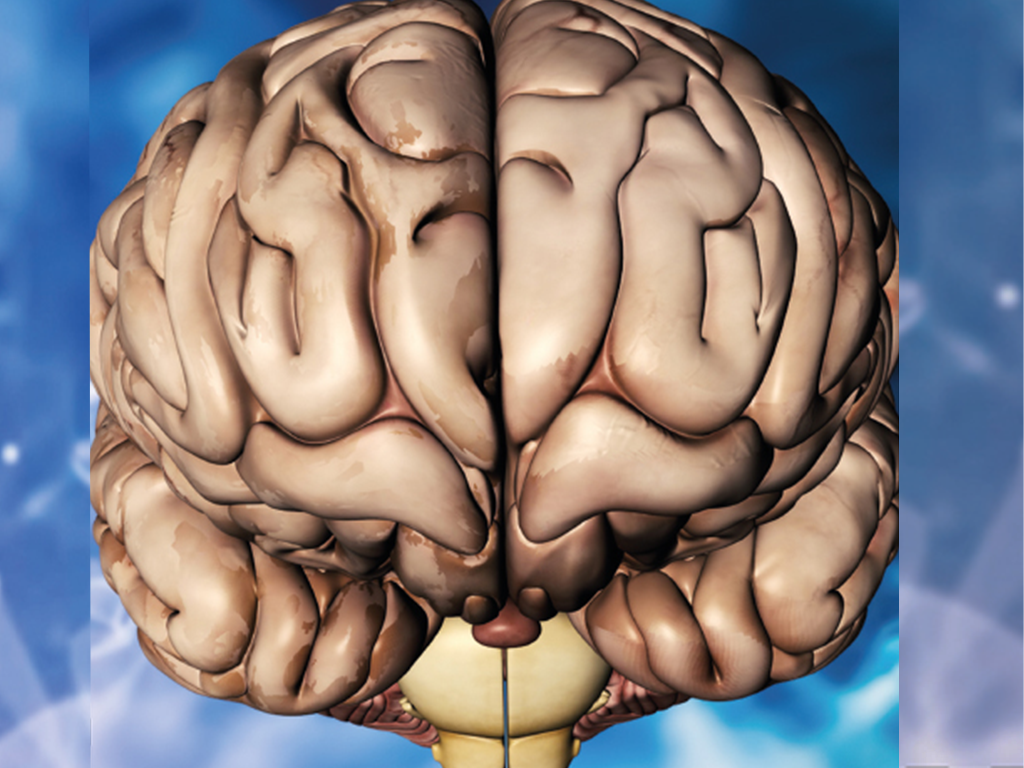
Human Brain
Every organism, no matter whether it is an earthworm, a snail, a fish or a human being, takes in information from the environment through differently structured sensory organs. This was absorbed first by a diffusely organised nervous system, which, in the course of evolution, has been replaced by a hierarchically organised one. Eventually a controlling centre has developed that interconnects and coordinates the nerve impulses supplied by receptors, reacts appropriately and is called the brain. In more highly developed organisms a part of the body has developed into a head, in parallel to the development of the brain.

Equilibrium
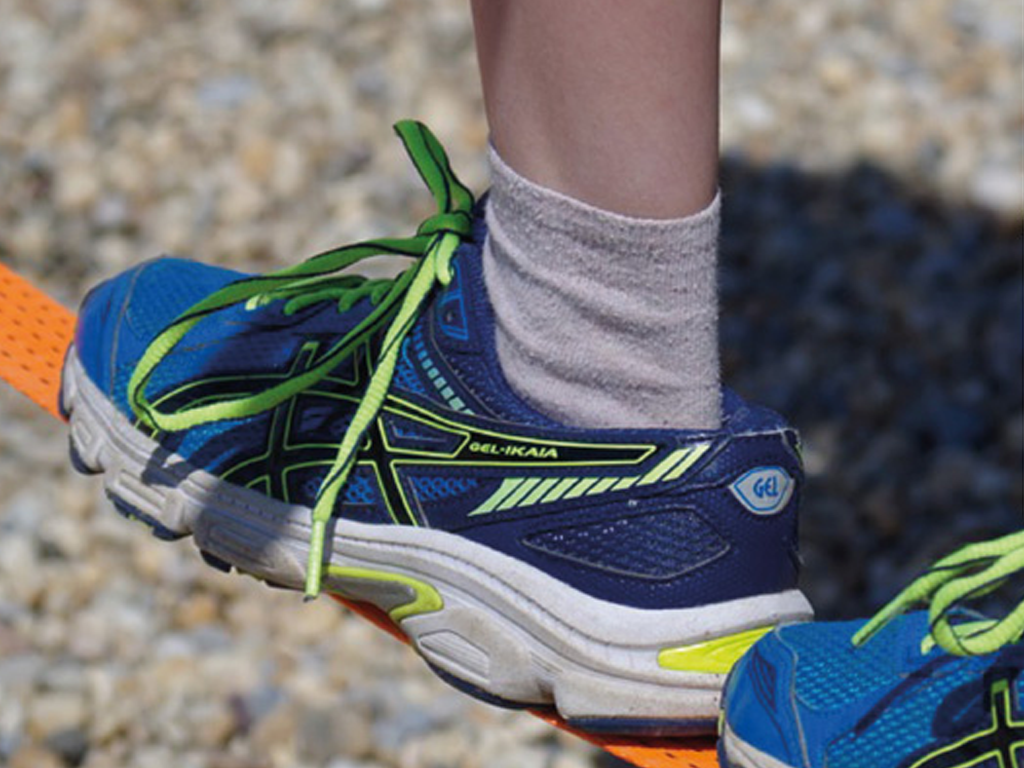
All things have weight. Some things are heavy. Others are light.