







 Geography
4657333 / 5551524
Wine-Growing
From Grape to Wine
The film starts with a short, simple overview of the importance of viticulture in Germany and Austria and the most famous wine regions in both countries. Then it goes on to discuss the most important conditions (soil, solar radiation) and forms of cultivation (terraces and vineyards on the plains) as well as the most widely spread types of grapes in Germany and Austria. In the main part of the film, pupils of a primary school accompany a wine-grower throughout the working year, watching him at work in the vineyard: form of the vine, work in winter (pruning, fruitbearing vines, substitute vines) turning cut-off vines into chaff, additional jobs (hammering in sticks, tightening wires, fastening fruit-bearing vines), removal of the earth from the grafting spots, pest control, cultivation of green manure crops, removal of surplus shoots, blossoming, weed removal, fighting nematodes (threadworms) biologically by cultivating daikon radish and, finally, harvesting. Apart from the manual harvest – where young and old people join in – also the use of harvesters is described.
Play trailer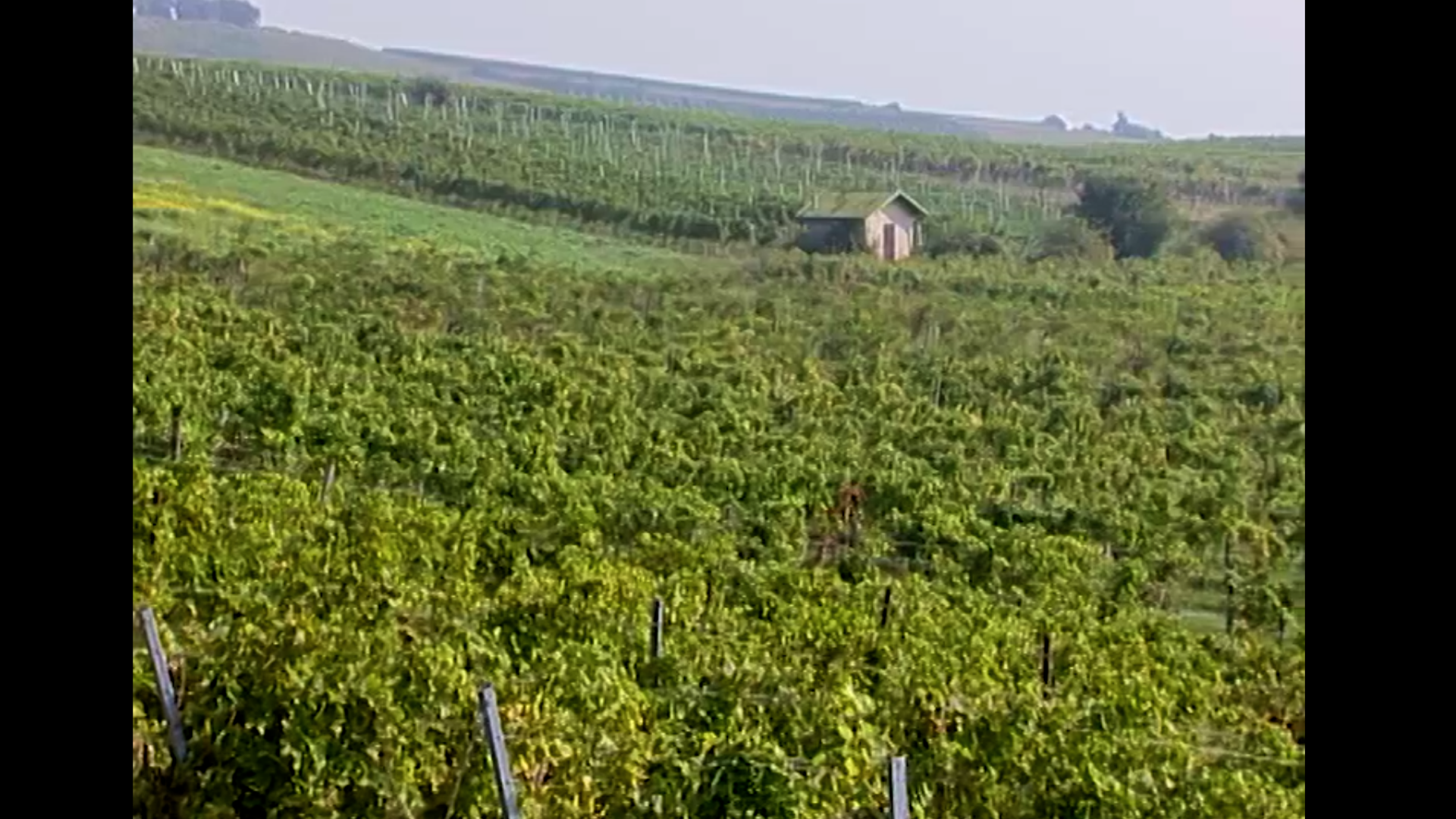
Curriculum-centred and oriented towards educational standards
Matching
Ideals of Beauty
1. What Is Beautiful?


Blogging
The weblog or blog, for short, as a medium is not much older than this century. Blogs came into being in the World Wide Web as ’messages from below’, as web pages from web creators who wanted to share their view of the world with the world. They are short notes, long texts, pictures, videos, which are posted loosely and at random intervals to the world for an undefined public.


Mobile Learning II
Oh, what’s that? Original soundtrack Thissen: “As our children grow up in a media world and naturally handle the media, they should also be a topic in school.“ An older child says the point is that they don’t just load down apps but create things themselves that haven’t existed so far. Hi, I’m Jana. A propeller hat. I’ll put it on. Now I’m no longer a simple rhino, but a flying rhino. Original soundtrack Thissen: “It’s exactly the great flexibility of tablets that promotes very personalised and adapted learning.” Original soundtrack Welzel: “It’s fascinating to see how the children grow with their products and how they always want to improve them.” The Westminster Abbey is a church in London for the royal family. Original soundtrack Welzel: “And?“ They think it is ok.