







 Music
Music
4673668 / 5562358
What Is Jazz?
History and Music Genres
Lucia Martinez:
“Jazz is spontaneity, technique and listening.”
Lorenzo Panico:
“Sax, live instruments and great people!”
Bill Evans:
“Innovation, creativity, future.”
Boy:
“Beautiful music, and above all, music that is pretty much based on improvisation …”
Teacher:
“Spontaneously I must say Nazis – I’m sorry – because it was forbidden back then, Afro-Americans … and mathematics teachers.”
Helmut Bruger:
“Jazz is music, a language … and fun!”
Man:
“… the attempt to play music out of the moment. This encompasses improvisation, and also reacting to the audience, to the atmosphere. Technically, you should mainly play without notes. Of course, all musicians have their schemes in their heads or maybe even before their eyes but on principle, it is making music on the spur of the moment. Also, to some extent, for me the jazz language is also part of jazz, of course. This goes somewhat into a theoretical direction. This means certain chords play a part and I think that swing, for example, has a strong influence on jazz. And swing is articulated and played in a different way than, for instance classical music.”
Curriculum-centred and oriented towards educational standards
Matching

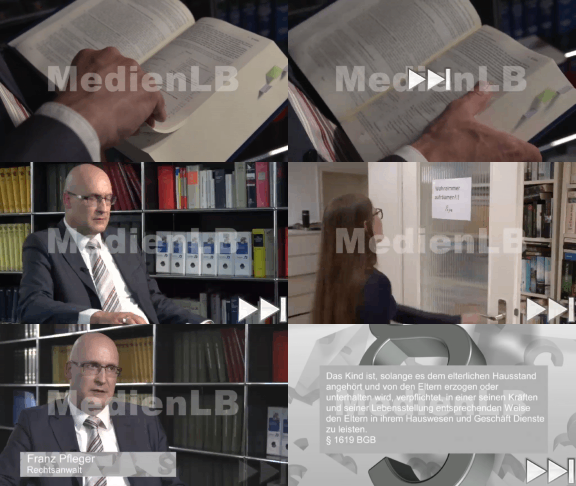
Rights and Obligations
Three girls of different ages: Anna is 17, Paula 15 and Lena 13. Before the law, their respective ages have consequences – because children and adolescents have different rights and also obligations.
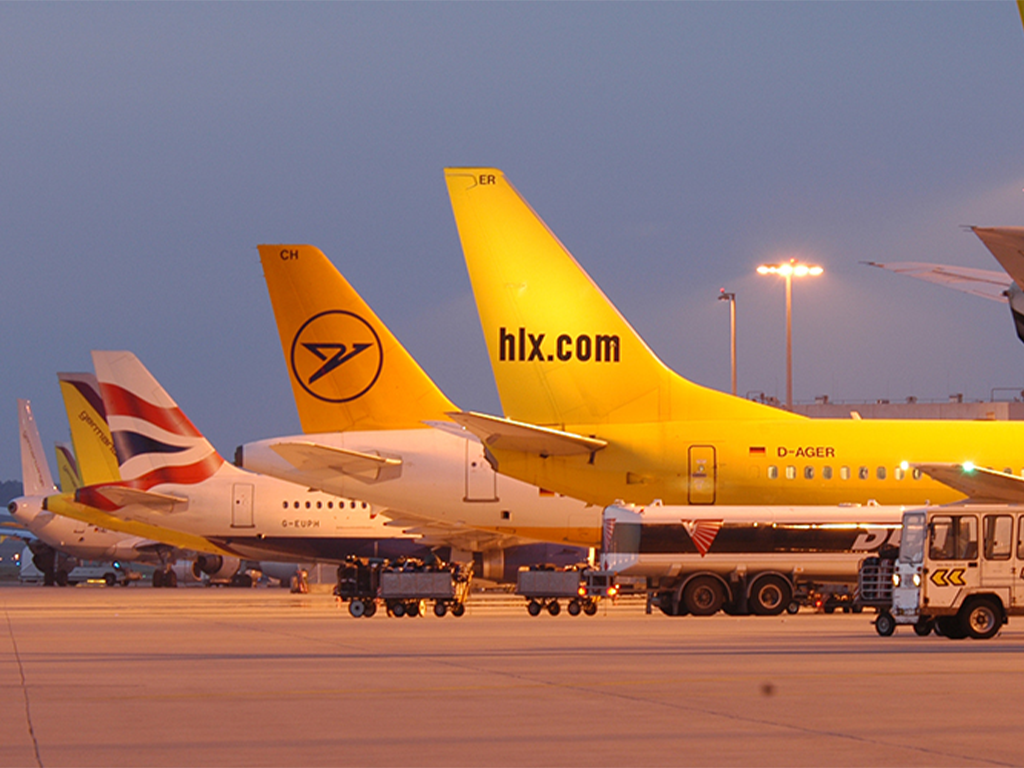
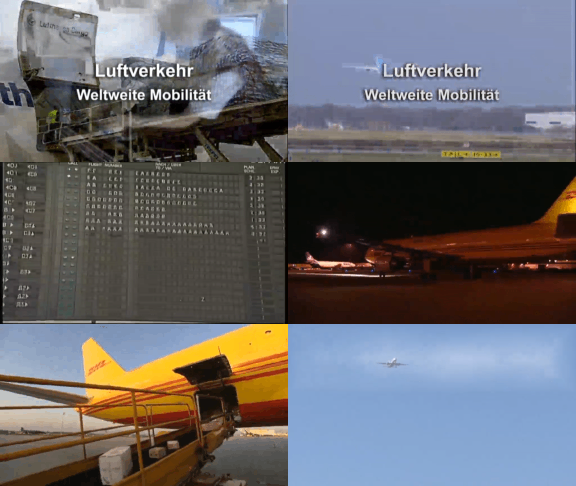
Air Traffic
Being able to fly has been a dream of humanity from time immemorial. But it does not even date back a century that people actually started being able to travel through the air. Since the 1960s, the number of flight passengers has been constantly increasing. Thus, the airspace is no longer dominated by birds but by man-made flying objects.
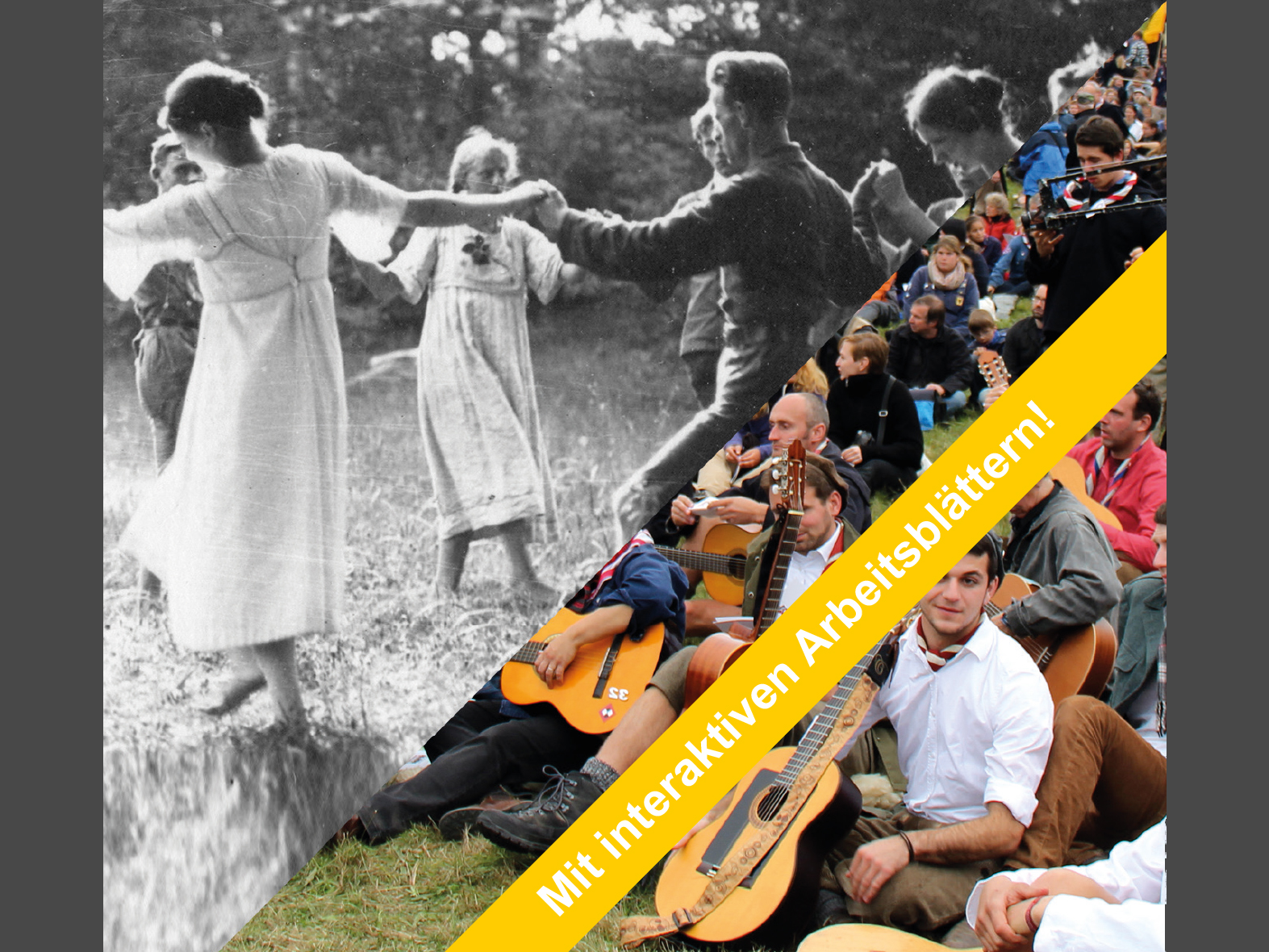
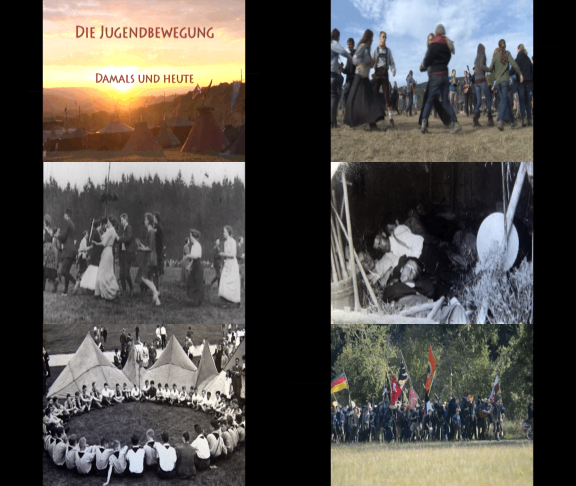
Youth Movement
Dancing until your feet hurt: Here, at the meeting on the Hoher Meissner near Kassel, 3,500 participants from Boy Scout associations, youth and Wandervogel groups from all over the German-speaking region have gathered. They want to celebrate, simply get to know each other and commemorate a historic anniversary.