







 Chemistry

46503482 / 55502974
Wasserstoff
Energieträger der Zukunft
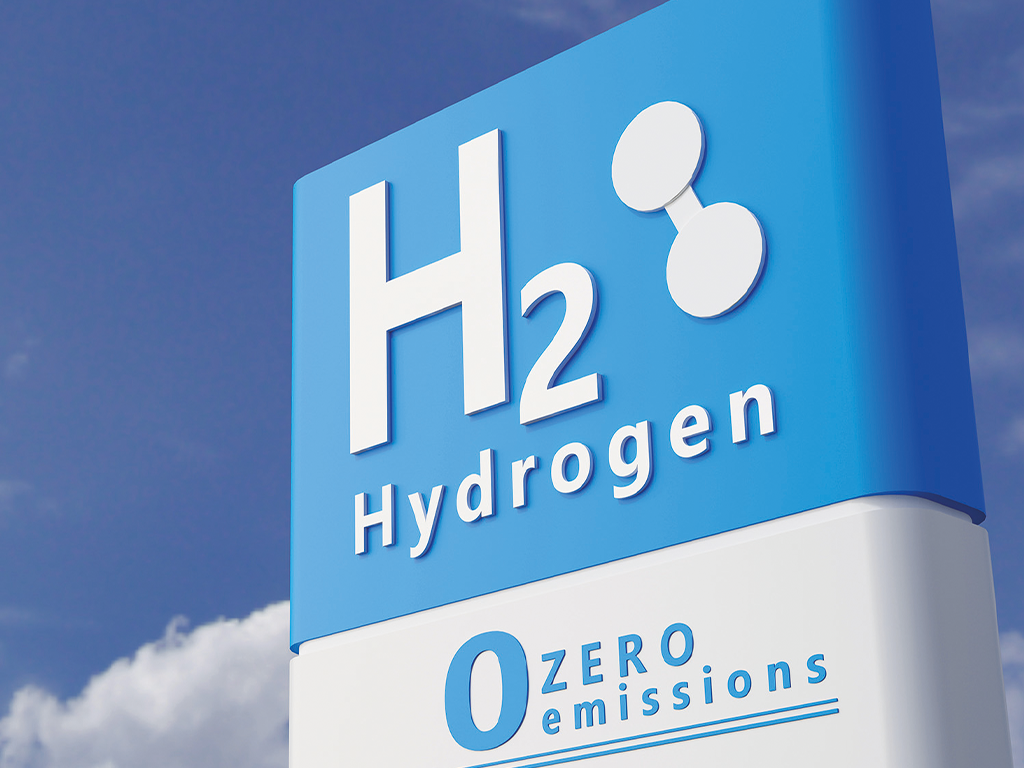
Wasserstoff ist das häufigste Element im Universum. Auf der Erde ist der Wasserstoff größtenteils in Verbindung mit Sauerstoff im Wasser gebunden.
Die Gewinnung von reinem Wasserstoff ist bereits seit über 200 Jahren bekannt, auch die Freisetzung von Energie konnte früh beobachtet werden.
Gezielt als Treibstoff wird Wasserstoff seit etwa 70 Jahren zunächst vor allem in der Raketentechnologie eingesetzt.
Wasserstoff, der bei Verbrennung zu Wasserdampf wird, ein wichtiger Baustein im klimagerechten Umbau der Mobilität.
Der Film zeigt Möglichkeiten der Gewinnung und Nutzung von Wasserstoff und geht hierbei auch auf klimafreundliche Methoden zu seiner Gewinnung ein.
In Verbindung mit dem umfangreichen Zusatzmaterial (Arbeitsblätter, interaktive Aufgaben, Testfragen, Glossar) lässt sich das Medium hervorragend im Unterricht verwenden.
- <> Languages: DE
- <> Target Groups: Sek I, Sek II
- <> Subject: Chemistry
- <> Length: 27:04 min
- View in learning platform
Licenses

Curriculum-centred and oriented towards educational standards
Matching


Blogging
The weblog or blog, for short, as a medium is not much older than this century. Blogs came into being in the World Wide Web as ’messages from below’, as web pages from web creators who wanted to share their view of the world with the world. They are short notes, long texts, pictures, videos, which are posted loosely and at random intervals to the world for an undefined public.


Internet Addiction
The film consists of two parts. The first part is the 15-minute short film “In the Net”. It describes the problem of excessive Internet use in a humorous way, in particular the risk of losing touch with reality when chatting. The second part illustrates with three real persons how Internet addiction can develop and the problems encountered by those who are afflicted. The authentic statements are commented by an experienced therapist. For many pupils, the issues addressed here are related to their everyday lives. What is a “sensible” use of the Internet, where does pathological addiction start? In contrast to addiction to alcohol, nicotine or drugs, the public seems to be largely ignorant of the problem of this addiction, which is not related to any substance abuse. The film provides material for discussion in the classroom (crossdisciplinary) and can be used as a basis for the formulation of prevention strategies.


Ideals of Beauty
1. What Is Beautiful?