






 Media Education, Training of Teachers

4677093 / 5564385
Videokurs II
Ausrüstung, Vorbereitung, Dreh
Schon mit einfachen Camcordern, sogar mit dem Handy kann man Videos mit einer ansprechenden Bildqualität drehen.
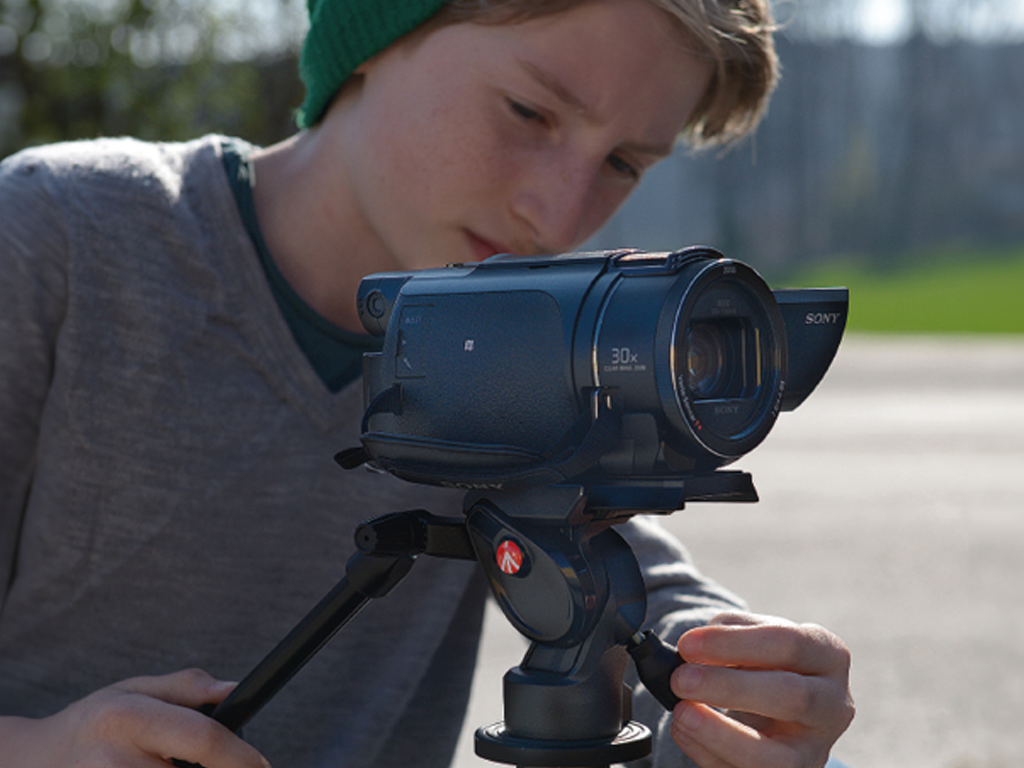
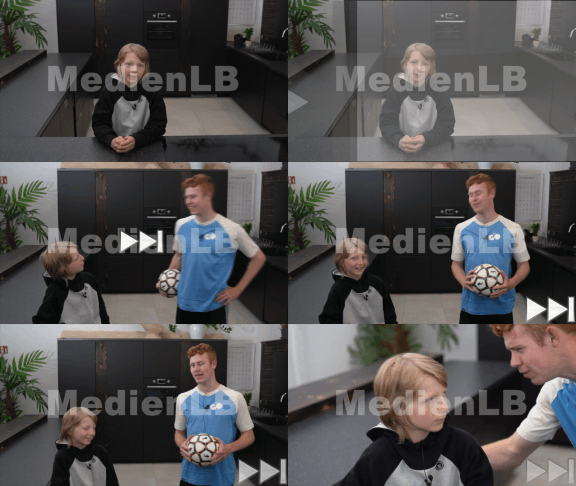
Der vorliegende Film begleitet drei Schüler beim Dreh eines eigenen Videos und legt dabei einen Schwerpunkt auf Möglichkeiten, eine eigene Filmsprache zu entwickeln.
Vorgestellt wird die erforderliche Ausrüstung, Kamera, Stativ, Mikrofon sowie die grundsätzlichen technischen Anforderungen Weißabgleich, Blende, Bildfrequenz, Belichtungszeit. Ein eigenes Kapitel setzt sich mit der Wahl des richtigen Objektivs auseinander und zeigt die Ausdrucksmöglichkeiten, die man mit gezielt gesetzter Tiefenschärfe gewinnt.
Wie man den Interviewpartner richtig in Szene setzt, was es dabei zu beachten und was es zu vermeiden gilt, ist Inhalt eines weiteren Kapitels.
In Verbindung mit dem umfangreichen Zusatzmaterial (Arbeitsblätter, Farbfolien, Interaktive Arbeitsblätter, Testaufgaben, Unterrichtsentwurf) ist die vorliegende DVD hervorragend für den Einsatz im Unterricht geeignet.
- <> Languages : DE, EN, TR
- <> Target Groups : Sek I, Sek II
- <> Subject : Media Education, Training of Teachers
- <> Length : 23:00 min
- View in learning platform
Licenses

Curriculum-centred and oriented towards educational standards
Matching
Altersarmut
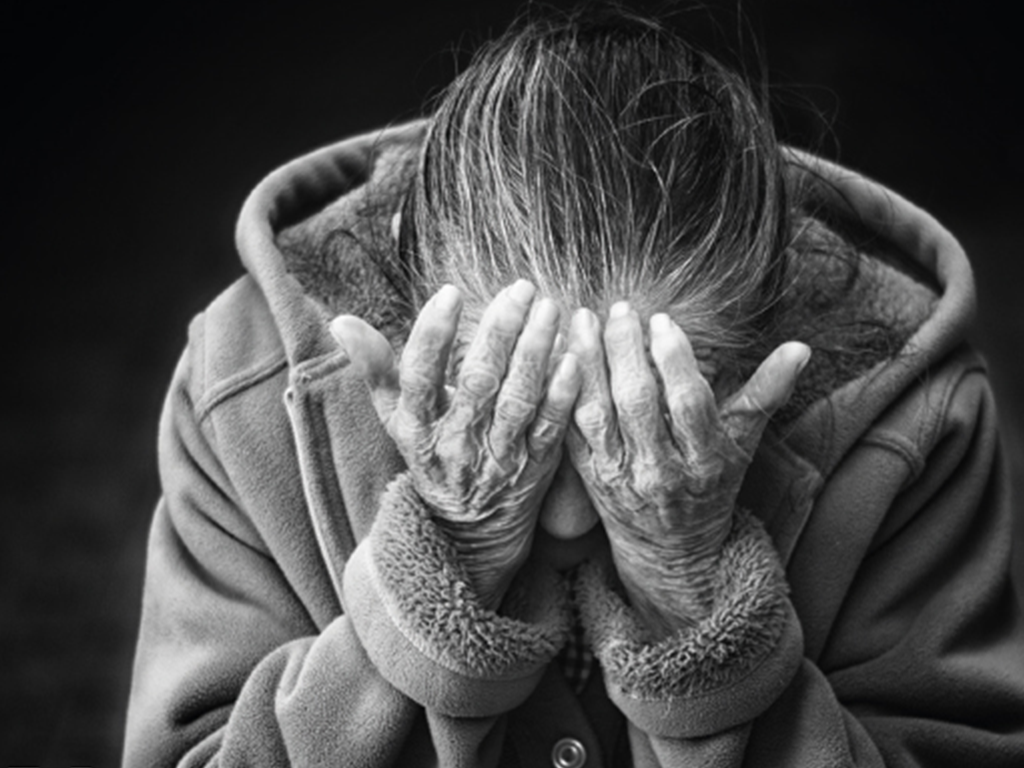
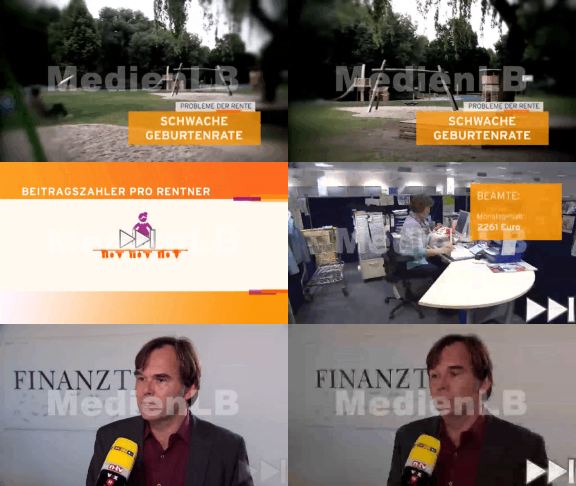
Innerhalb von 52 Jahren hat sich in der Bundesrepublik das Verhältnis von Beitragszahlern für die Rente zu den bestehenden Rentnern um den Faktor 3 verschlechtert. Sind 1962 noch 6 Erwerbstätige für die Rentenzahlung eines Rentners aufkommen, so mussten 2014 zwei Erwerbstätige für die Rentenzahlung von einem Rentner aufkommen. Die Altersarmut in Deutschland steigt. Denn nur wer 40 Jahre ohne Unterbrechung mindestens 2.100 € verdient hat, bekommt als Rente mehr als den Hartz-IV-Satz ausgezahlt. Beschäftige im Niedriglohnsektor oder in Teilzeit können selbst nach 45 Jahren Arbeit nicht von ihrer Rente leben. Vielen Rentnern bleibt nur der entwürdigende Weg zum Arbeitsamt.
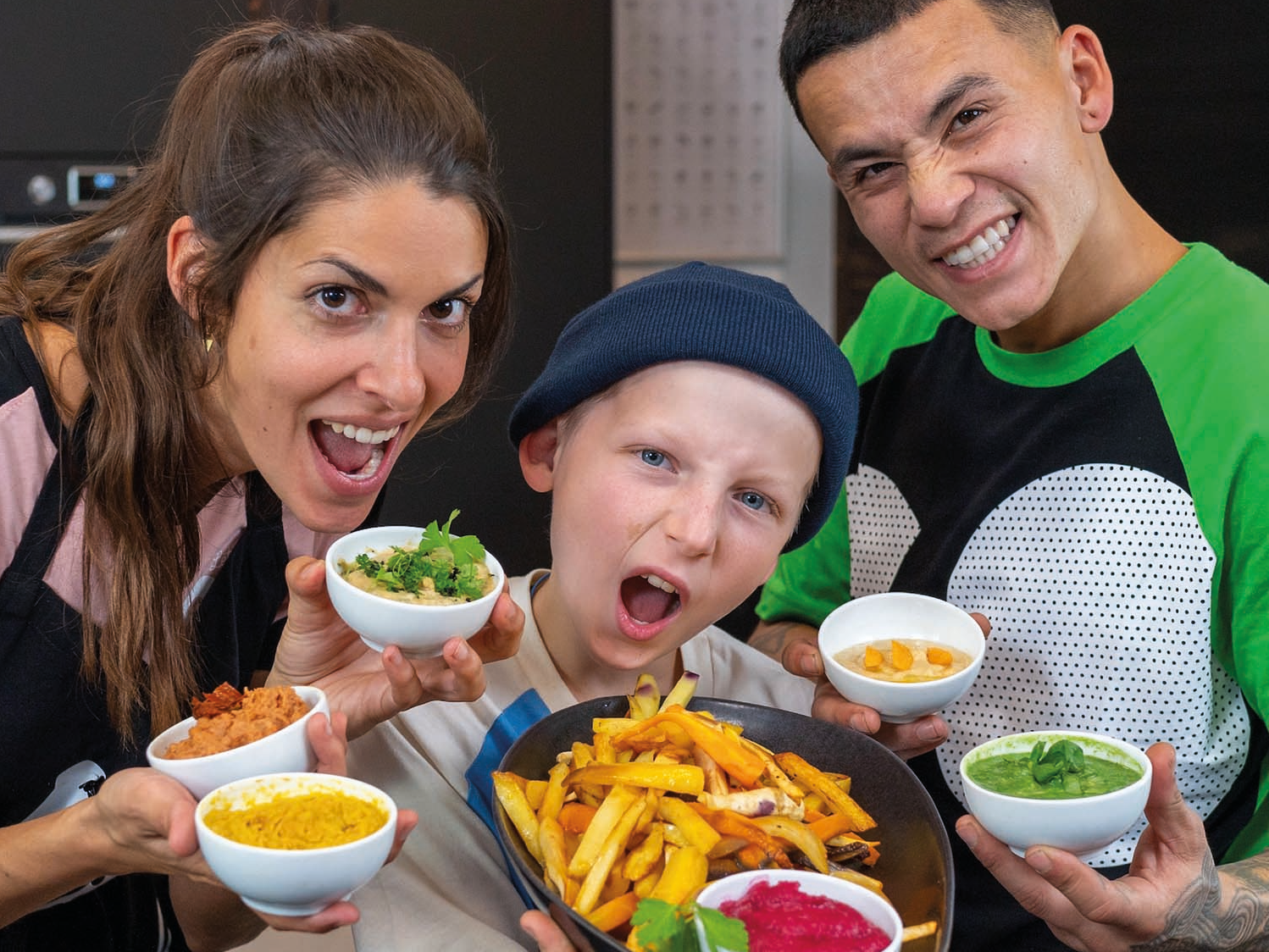
Saisonal und gesund kochen
Selber kochen macht Spaß und mit saisonalen und regionalen Zutaten tut man auch etwas für die CO2-Bilanz.