







 Geography

4668787 / 5560030
Tibet
Country of the Snow Lion
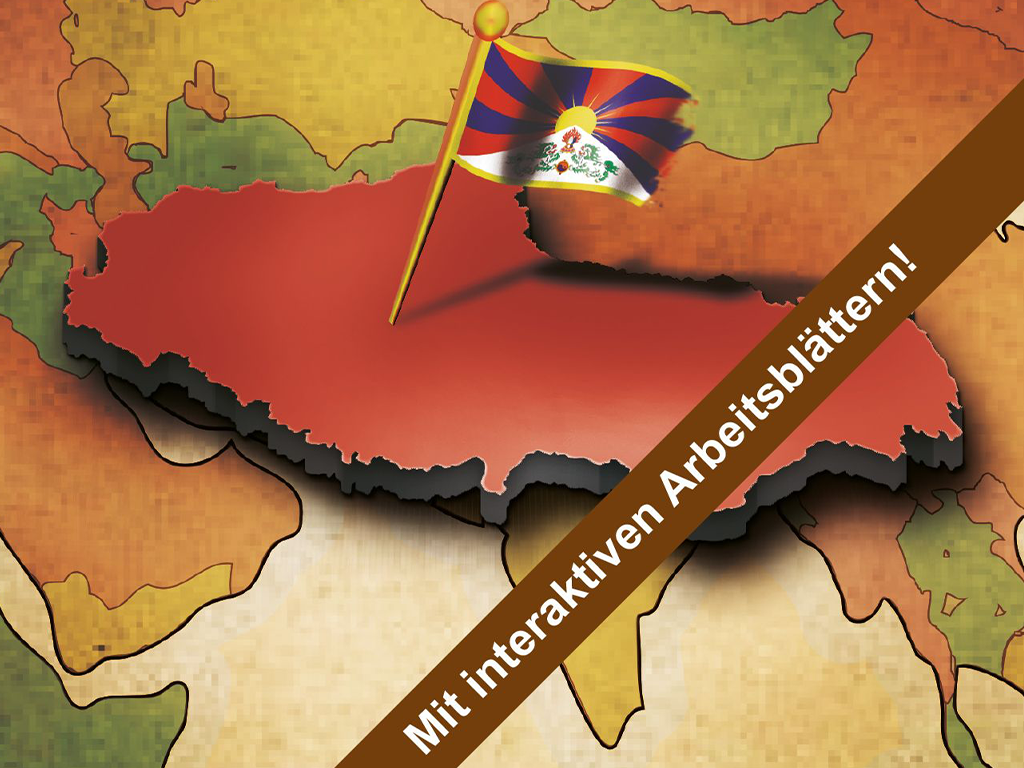
Tibet, the so-called »Roof of the World«, is a vast highland in Central Asia. Hidden behind huge mountain ranges, the highest plateau of earth together with its inhabitants, the Tibetans, is little known to the rest of the world. The »country of the snow lion«, as the historical Tibet is also called, is comprised of the three big provinces Ü-Tsang, Kham and Amdo and several smaller ones encompassing an area of 2.5 million square kilometres. China, however, incorporated all of Amdo and large parts of Kham into the adjacent Chinese provinces. The remaining area was given the name »Tibet Autonomous Region«.
Play trailer
- <> Languages : DE, EN, TR
- <> Target Groups : Sek I, Sek II
- <> Subject : Geography
- <> Length : 24:13 min
- View in learning platform
Licenses

Curriculum-centred and oriented towards educational standards
Matching

Internet Addiction
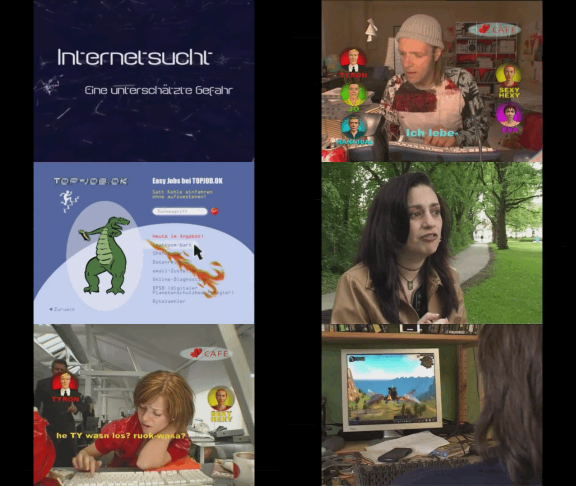
The film consists of two parts. The first part is the 15-minute short film “In the Net”. It describes the problem of excessive Internet use in a humorous way, in particular the risk of losing touch with reality when chatting. The second part illustrates with three real persons how Internet addiction can develop and the problems encountered by those who are afflicted. The authentic statements are commented by an experienced therapist. For many pupils, the issues addressed here are related to their everyday lives. What is a “sensible” use of the Internet, where does pathological addiction start? In contrast to addiction to alcohol, nicotine or drugs, the public seems to be largely ignorant of the problem of this addiction, which is not related to any substance abuse. The film provides material for discussion in the classroom (crossdisciplinary) and can be used as a basis for the formulation of prevention strategies.

Big Data
Original soundtrack young woman:


Blogging
The weblog or blog, for short, as a medium is not much older than this century. Blogs came into being in the World Wide Web as ’messages from below’, as web pages from web creators who wanted to share their view of the world with the world. They are short notes, long texts, pictures, videos, which are posted loosely and at random intervals to the world for an undefined public.