







 Primary School

4665853 / 5558088
The Potato
A Terrific Tuber
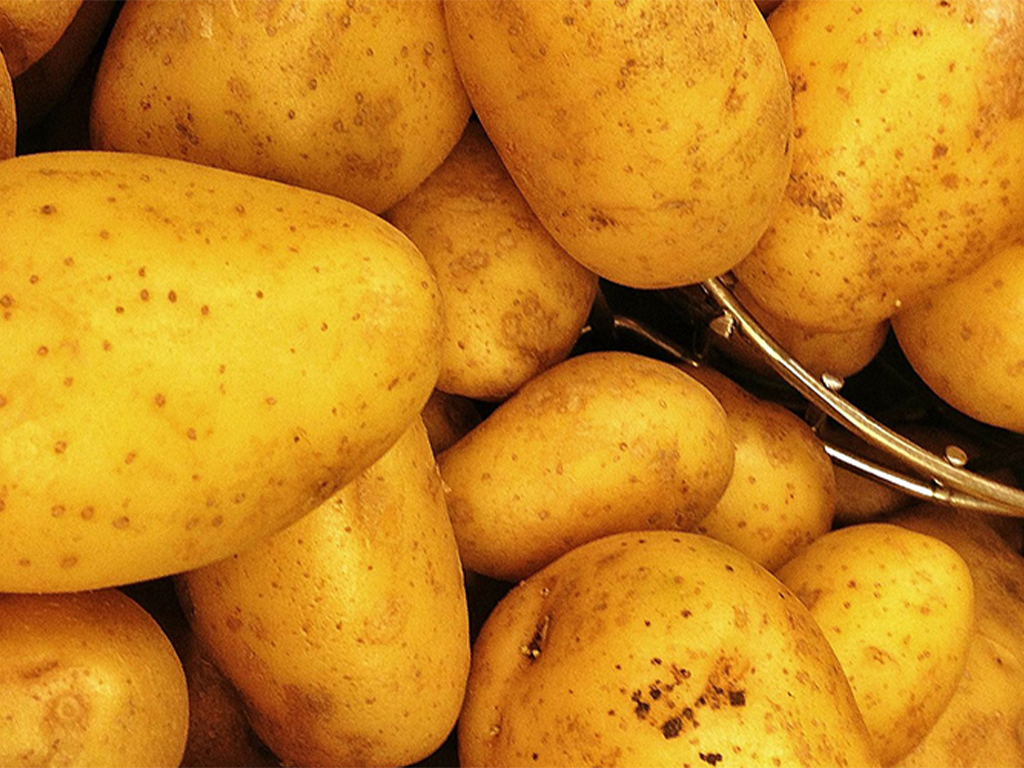
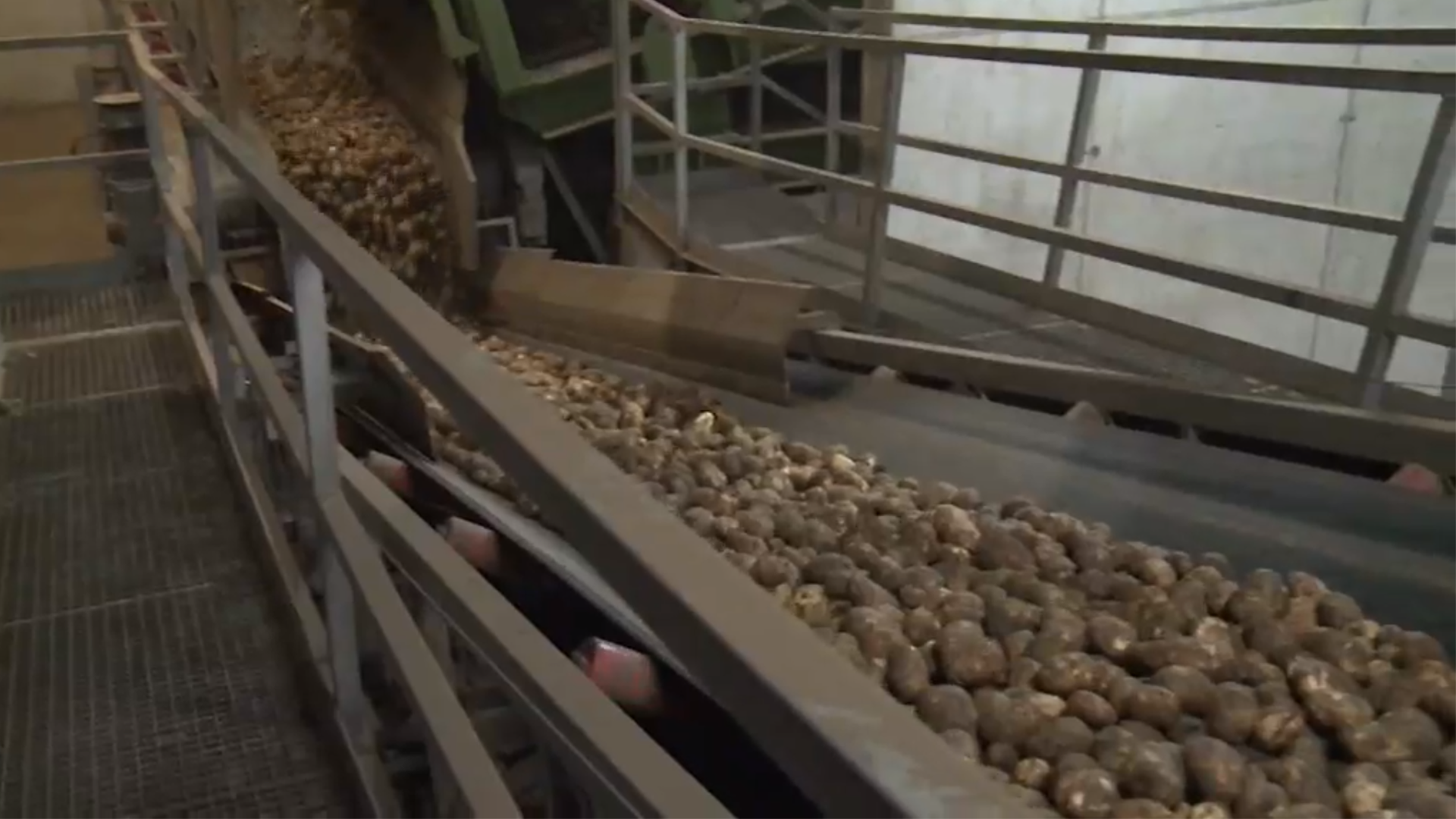
The potato is one of the most important food staples of the world. Together with rice, maize, wheat, barley, soy and sugar cane it is one of the seven most important foods on earth. Originally it came from the Andes in South America. The Spaniards brought it to Europe and then to all other continents. It is cultivated in 130 countries on earth. Cultivation has already resulted in many different varieties. Some are waxy, others turn floury when cooked and are especially suited for soups or mash. In Germany, more than a hundred varieties with different qualities and flavours are on the market. Very specific varieties for any purpose are being cultivated. It takes about ten years to develop a new variety and to have it licensed for cultivation. The potato is the most frequent cultivated crop plant and also our staple food. Together with the extensive additional material the DVD is ideally suited for use in the classroom.
Play trailer
- <> Languages : DE, EN, TR
- <> Target Groups : FÖ, GRU
- <> Subject : Primary School
- <> Length : 29:28 min
- View in learning platform
Licenses
Curriculum-centred and oriented towards educational standards
Matching
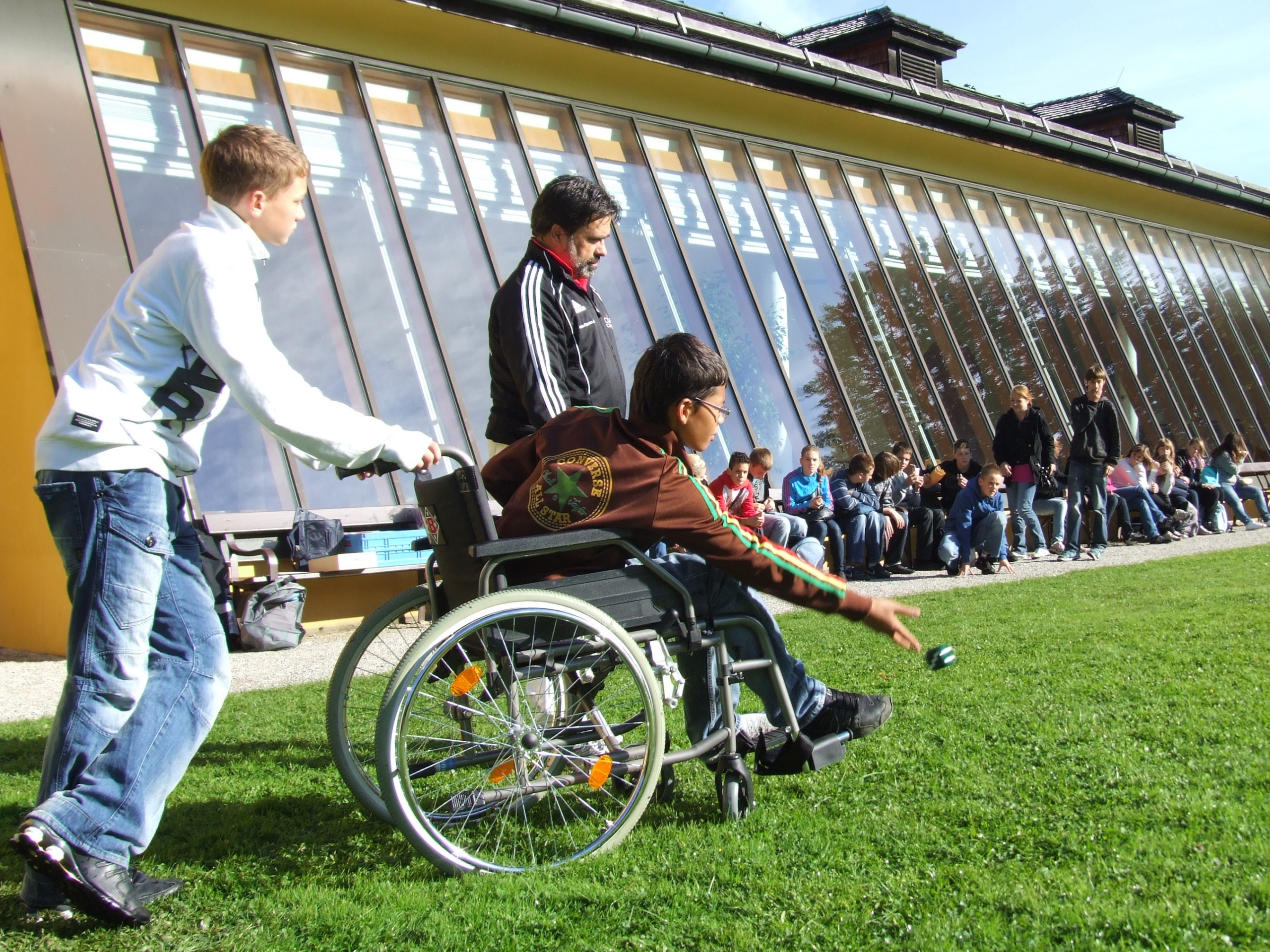
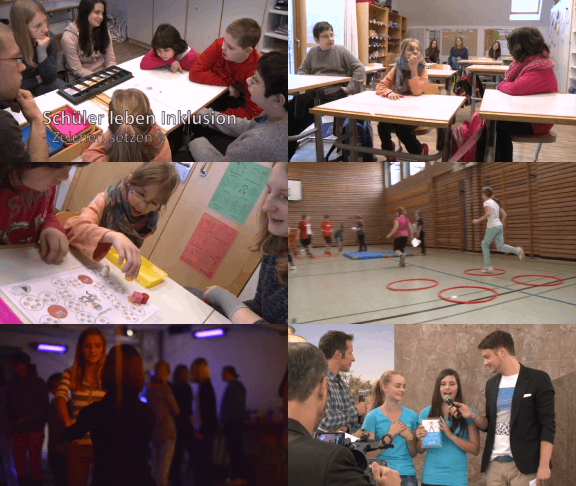
Pupils Practise Inclusion
When people come together, no matter under what concomitant circumstances – ultimately, it is about how these people meet and how openly they interact with one another.
Peer Mediation
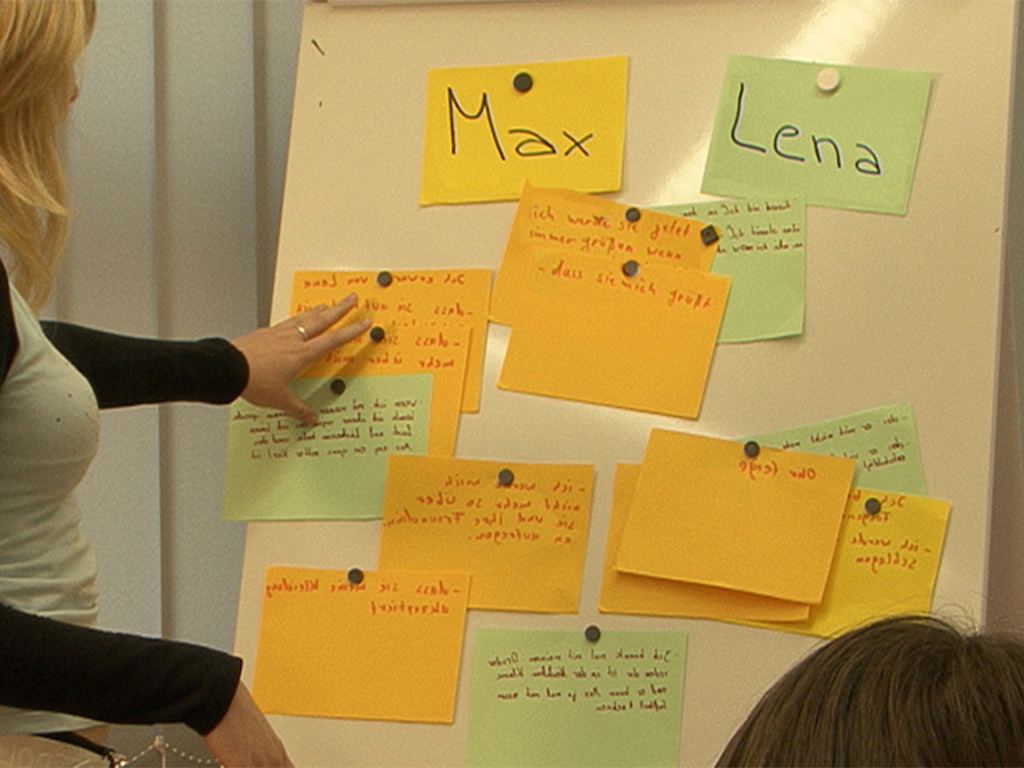
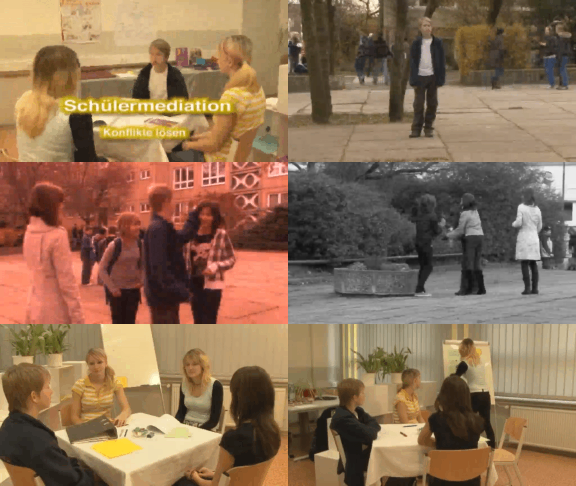
Lena and Max attend the 7th form. Max is new in class. During a break, Max notices that Lena and her friend are laughing at him again. Max loses his temper! He slaps Lena in the face. That hurts and Lena runs back into the classroom with a red cheek. The growing conflict between the two has escalated. Just like Lena and Max, every day pupils all over Germany have rows with each other. At the Heinrich Hertz Gymnasium in Thuringia, pupils have been trained as mediators for years. At set hours, they are in a room made available by the school specifically for mediation purposes. The film describes the growing conflict between Max and Lena and shows a mediation using their example. In doing so, the terms “conflict” and “peer mediation” are explained in a non-technical way. The aims of peer mediation and its progress in five steps as well as the mediators’ tasks are illustrated. The art of asking questions and “mirroring”, which the mediators must know, is described and explained. Together with the comprehensive accompanying material, the DVD is a suitable medium to introduce peer mediation at your school, too.
Podcasting
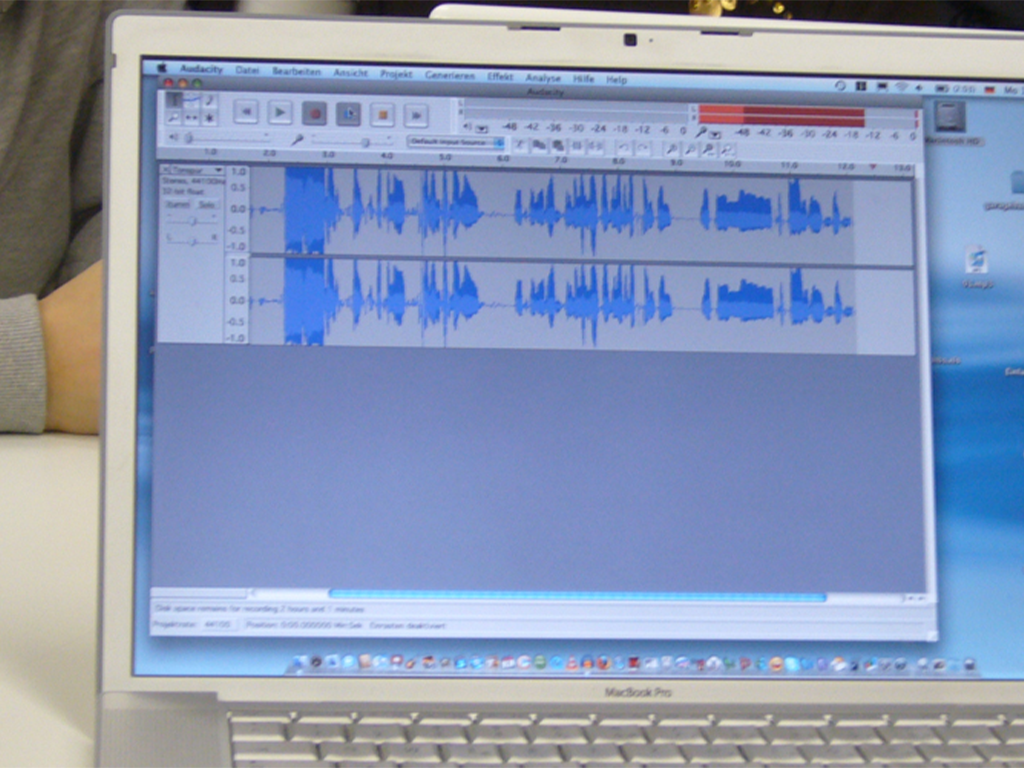
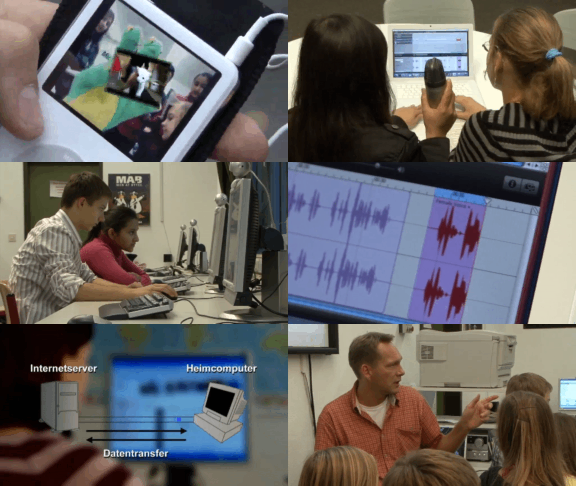
Today, the use of new media has become a matter of course not only in everyday life – schools and teaching, too, benefit from the new technologies and methods, which support active and independent learning. Especially in computer science, ethics and language courses but also in all other subjects, modern media are a valuable pedagogic and didactic asset. This DVD uses the example of podcasts to demonstrate how the possibilities opened up by new media can be applied in the classroom and how the pupils can be taught to handle them in a competent and target-oriented manner. The film is aimed at supporting the use of podcasts at school and encourages making them. This also requires the ability to find information on the Internet and assess it. The film informs on the functionality of podcasts and technical background as well as on the teaching and learning possibilities offered by podcasts – ranging from specific contents to superordinate learning targets such as the advancement of creativity and team spirit. The DVD is a useful support for teachers applying new media and wishing to show their pupils how to handle Running Time: 20:29 ms them in a sensible way.