






 Politics / Civics
4665877 / 5558102
The European Parliament
EU Laws
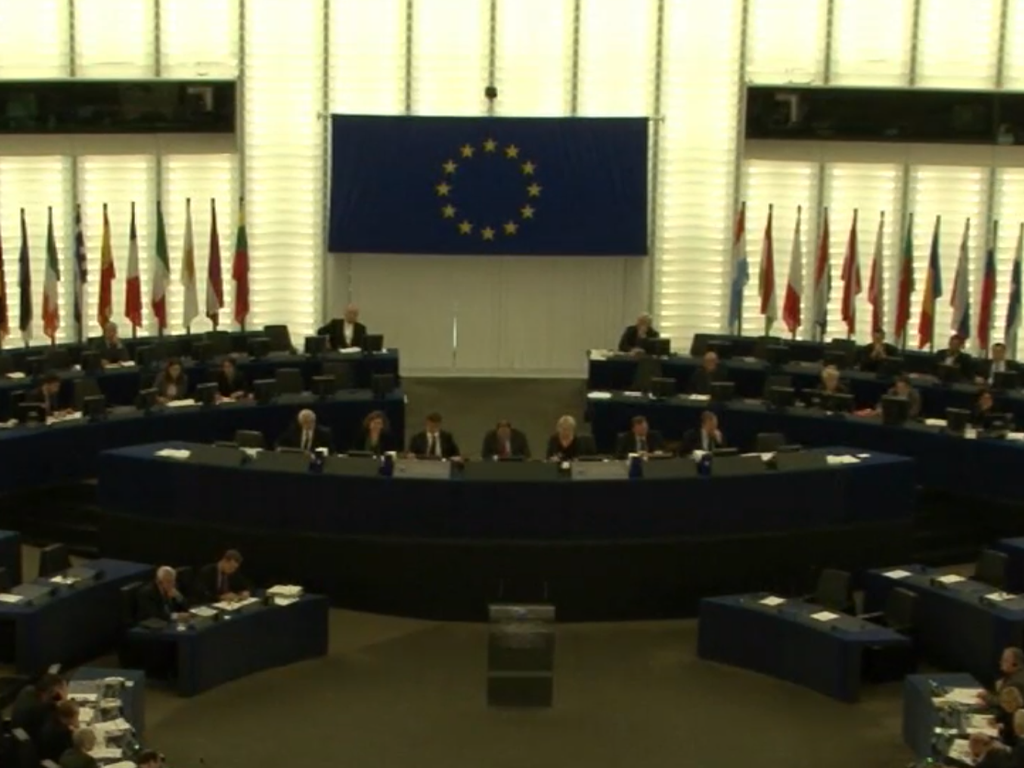
The European Union is a union consisting of 27 European states. Currently its population comprises about 500 million inhabitants. 17 of these states have a common currency. Its aim is a pan-European area of freedom, security and justice. The European Parliament is elected every five years by the EU citizens and is thus the only directly elected body. The European Parliament shares its legislative function with the Council of the European Union, wherein the governments of the individual member states are represented, and the European Commission, which represents the interests of the EU as a whole. These three institutions together develop the political strategies and legislative provisions which are applied throughout the EU. The European Parliament ensures uniform pan-European regulations. Citizens profit from them for example for data protection, for mobile tariffs, for working and living in Europe and much more besides! Together with the extensive accompanying material the DVD is ideally suited for use in the classroom.
Play trailer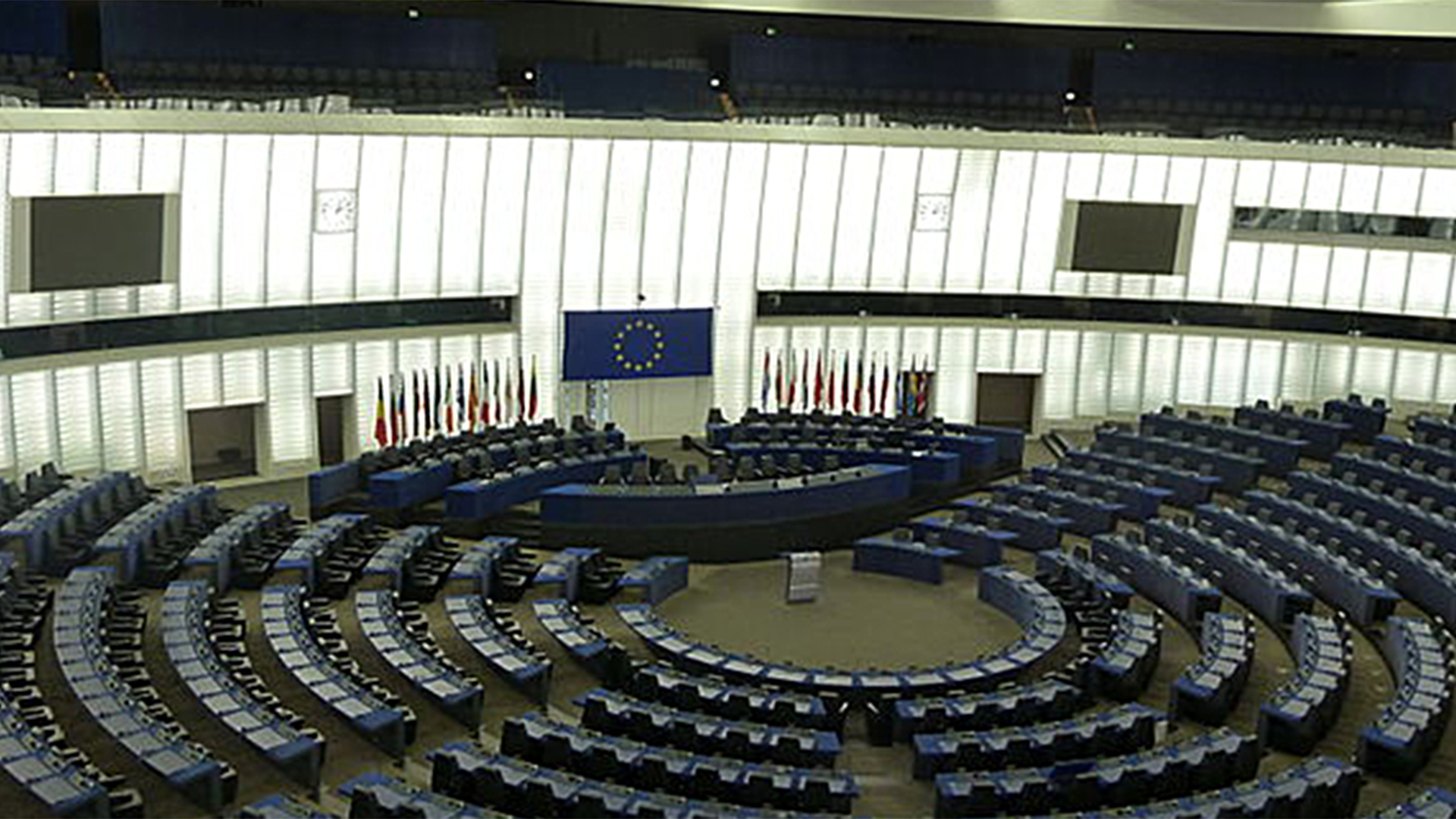
Curriculum-centred and oriented towards educational standards
Matching
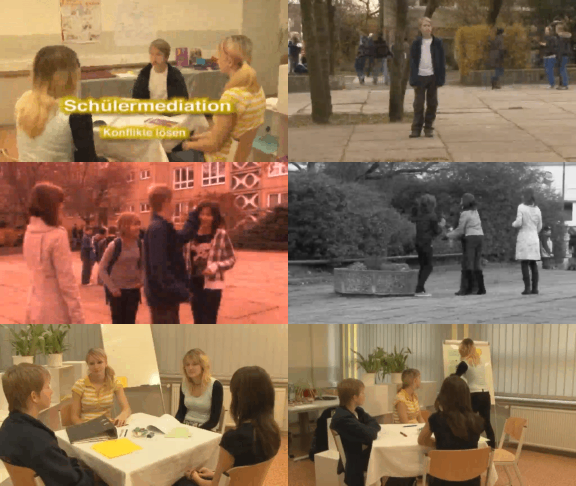
Peer Mediation
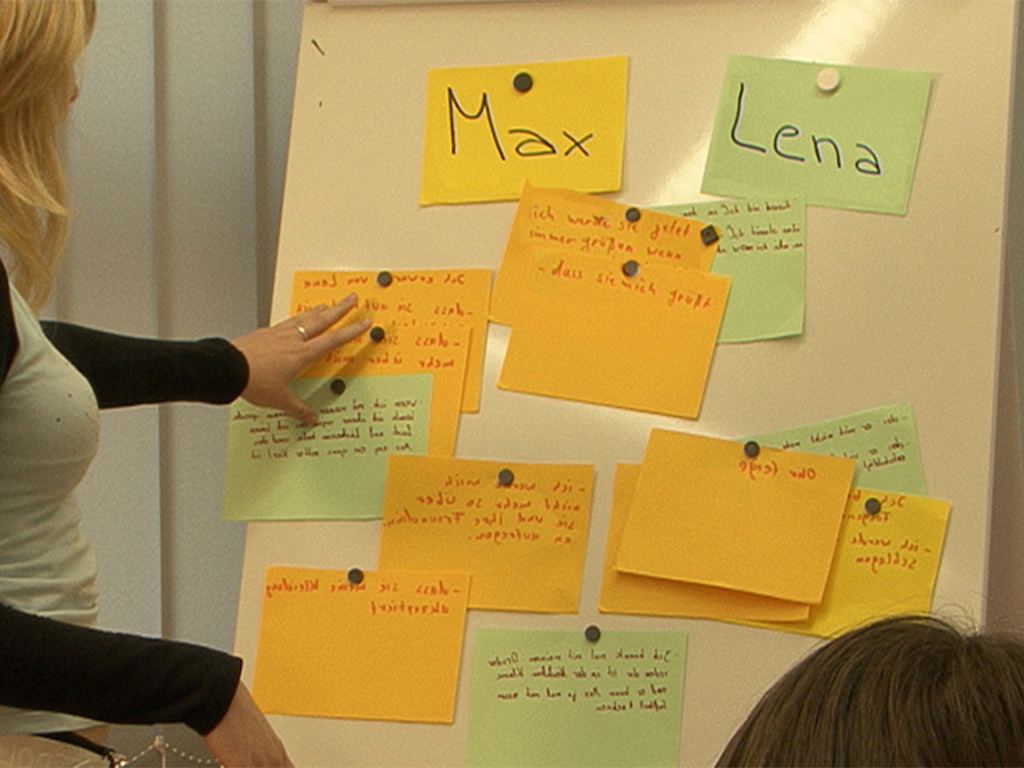
Lena and Max attend the 7th form. Max is new in class. During a break, Max notices that Lena and her friend are laughing at him again. Max loses his temper! He slaps Lena in the face. That hurts and Lena runs back into the classroom with a red cheek. The growing conflict between the two has escalated. Just like Lena and Max, every day pupils all over Germany have rows with each other. At the Heinrich Hertz Gymnasium in Thuringia, pupils have been trained as mediators for years. At set hours, they are in a room made available by the school specifically for mediation purposes. The film describes the growing conflict between Max and Lena and shows a mediation using their example. In doing so, the terms “conflict” and “peer mediation” are explained in a non-technical way. The aims of peer mediation and its progress in five steps as well as the mediators’ tasks are illustrated. The art of asking questions and “mirroring”, which the mediators must know, is described and explained. Together with the comprehensive accompanying material, the DVD is a suitable medium to introduce peer mediation at your school, too.

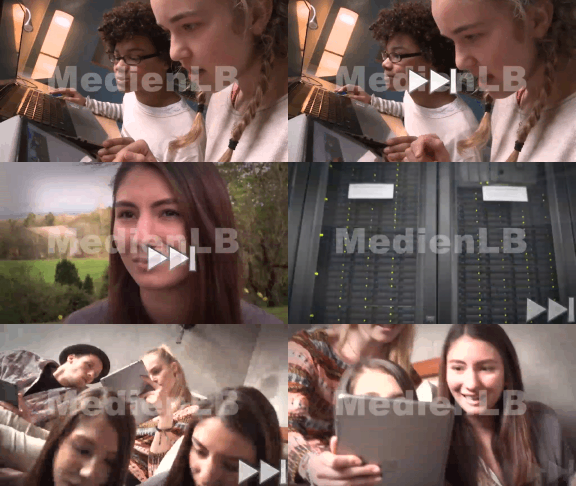
Big Data
Original soundtrack young woman:
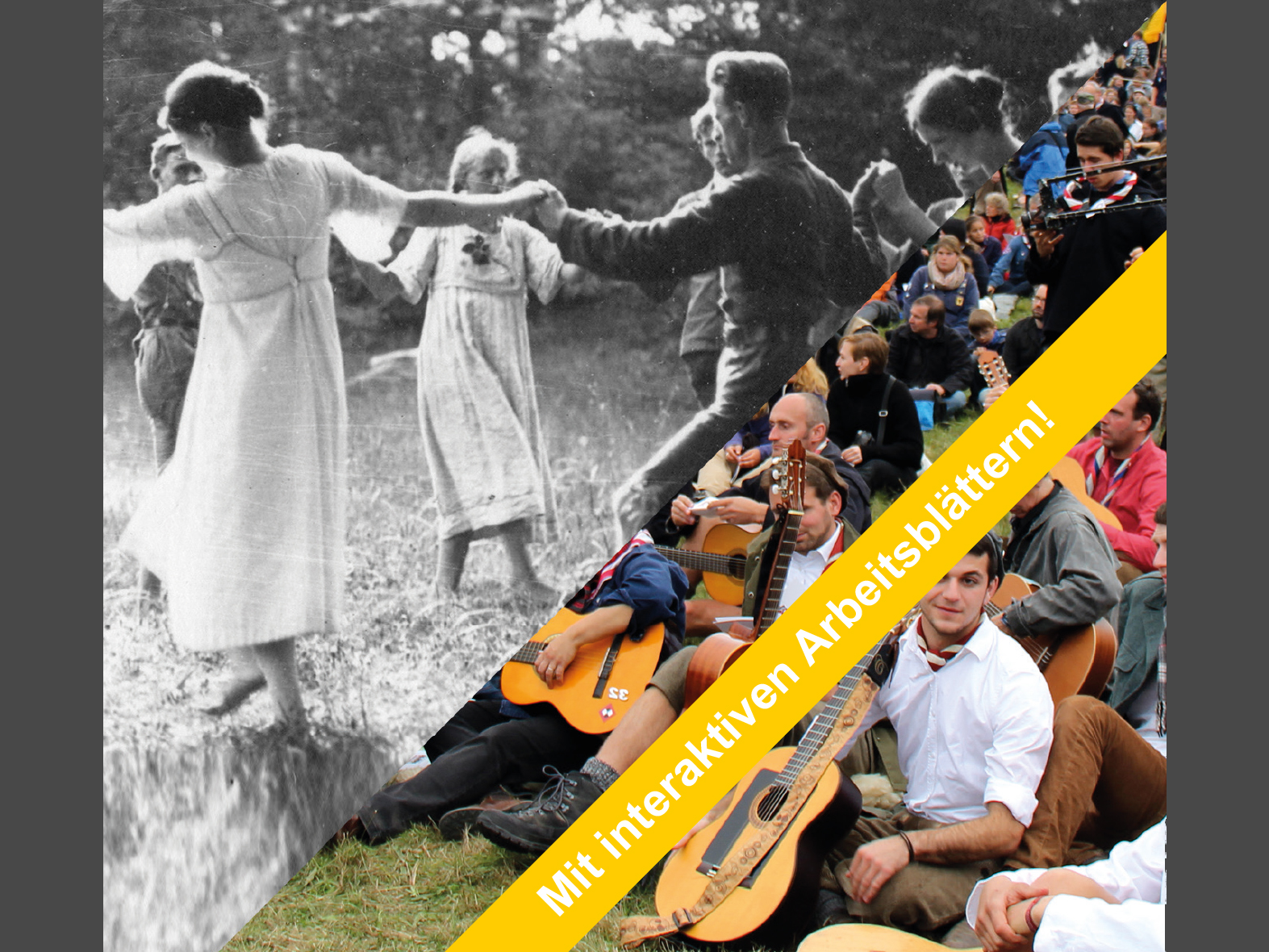
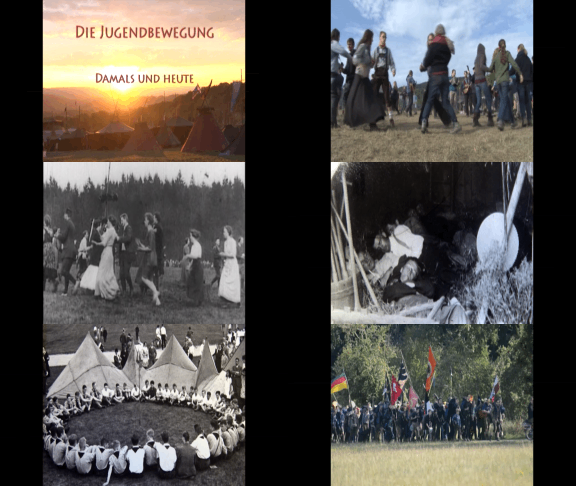
Youth Movement
Dancing until your feet hurt: Here, at the meeting on the Hoher Meissner near Kassel, 3,500 participants from Boy Scout associations, youth and Wandervogel groups from all over the German-speaking region have gathered. They want to celebrate, simply get to know each other and commemorate a historic anniversary.