







 Preschool

4662233 / 5552810
Summer
Nature is Full of Life
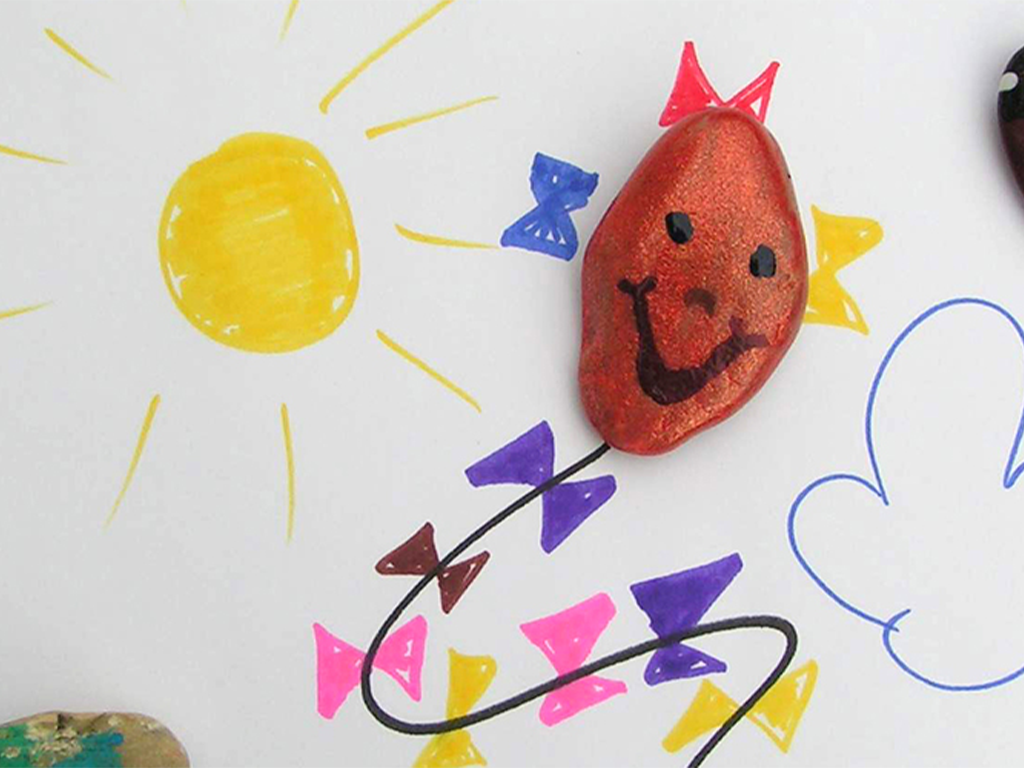
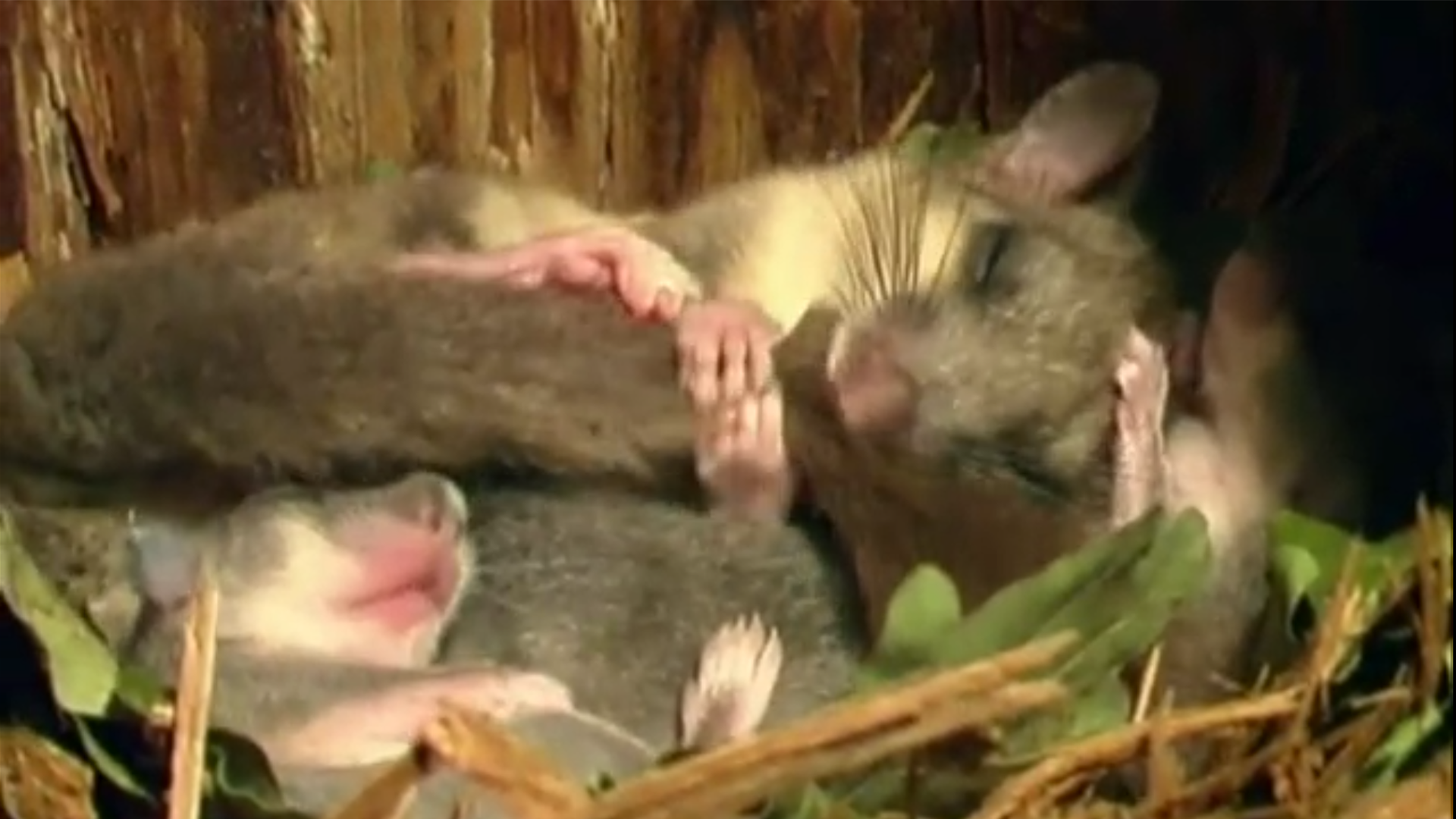
Finally, summer has come! This DVD explains in a way suitable for children why summer comes, how life develops in nature and why we humans love this season so much. In short chapters, children learn why daylight hours are longer and how a thunderstorm builds up. The behaviour of animals and their young as well as changes in the flora are explained in a way appropriate for children. Rules for the right behaviour in the sun, in the water and during a thunderstorm are explained just like the dangers of a tick bite or wasp sting and the right reaction in such a situation. Besides didactic-methodical suggestions, the accompanying material also includes various games, songs, experiments, tips and suggestions providing an incentive to work on a topic, which is virtually a compulsory annual subject, from different points of view and holistically and to discover it from a new angle.
Play trailer
- <> Languages : DE, EN, TR
- <> Target Groups : ELE, FÖ, GRU, GS
- <> Subject : Preschool
- <> Length : 18:07 min
- View in learning platform
Licenses
Curriculum-centred and oriented towards educational standards
Matching
Inclusion
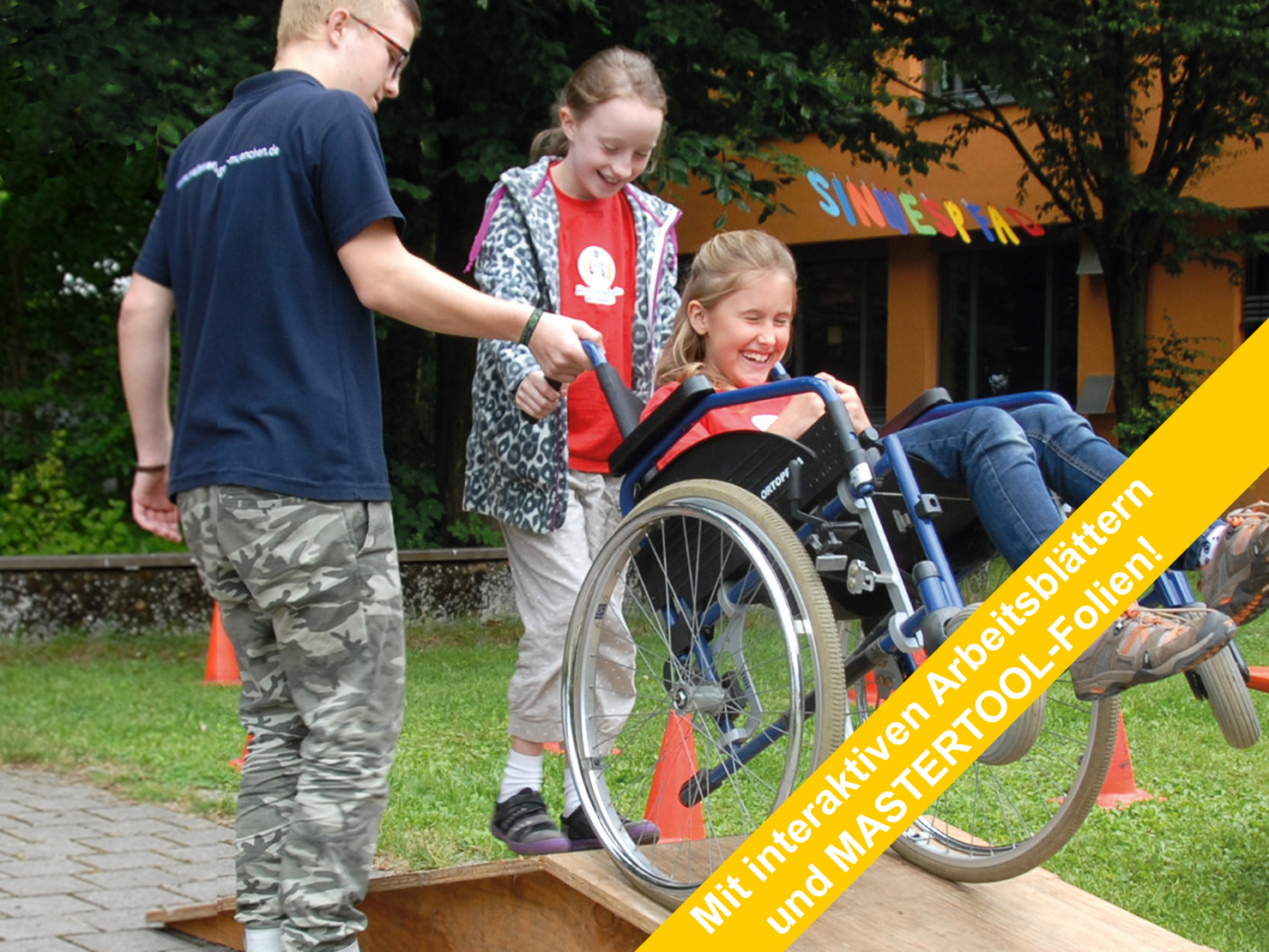
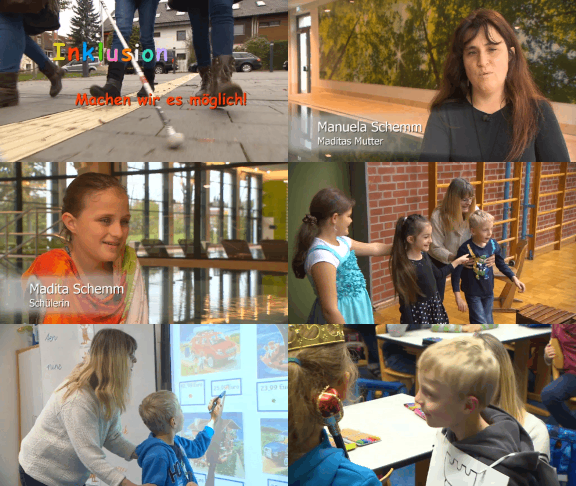
Madita is eleven and blind. She does not want to go to a special school but to a regular grammar school. She says she feels "normal" there. Jonathan is eight and has a walking disability. He likes going to the school where he lives. Here, his best friend sits next to him. Max Dimpflmeier, a teacher who is severely deaf, explains that school life is not easy. Quote Max Dimpflmeier: "You don't want to attract attention, you want to avoid saying that it is necessary for you that 70 people adjust to your situation." People on their way to inclusion.
Youth Movement
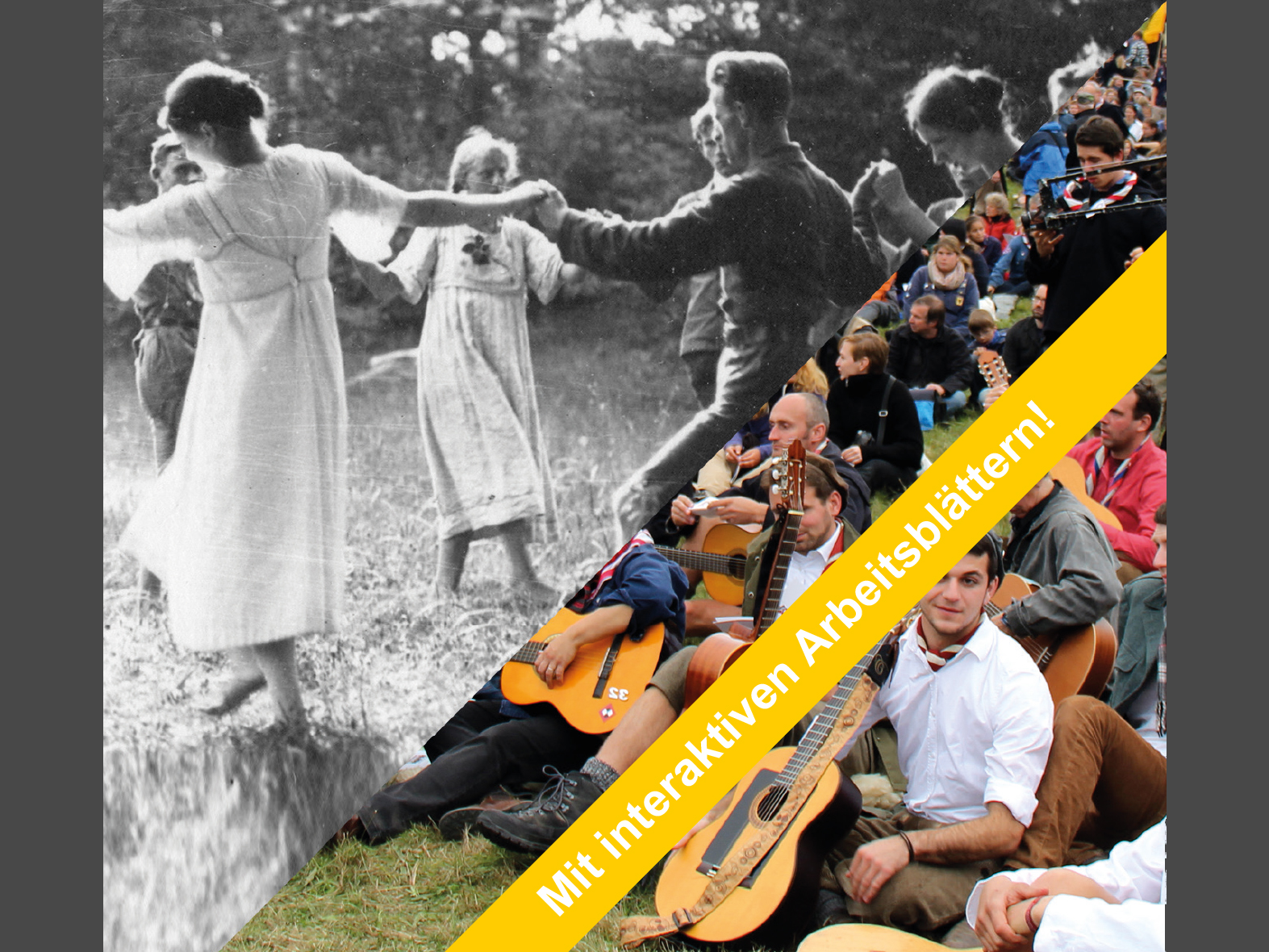
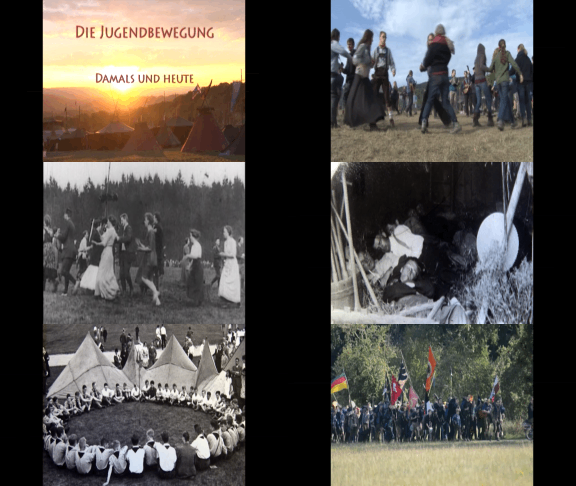
Dancing until your feet hurt: Here, at the meeting on the Hoher Meissner near Kassel, 3,500 participants from Boy Scout associations, youth and Wandervogel groups from all over the German-speaking region have gathered. They want to celebrate, simply get to know each other and commemorate a historic anniversary.
Podcasting
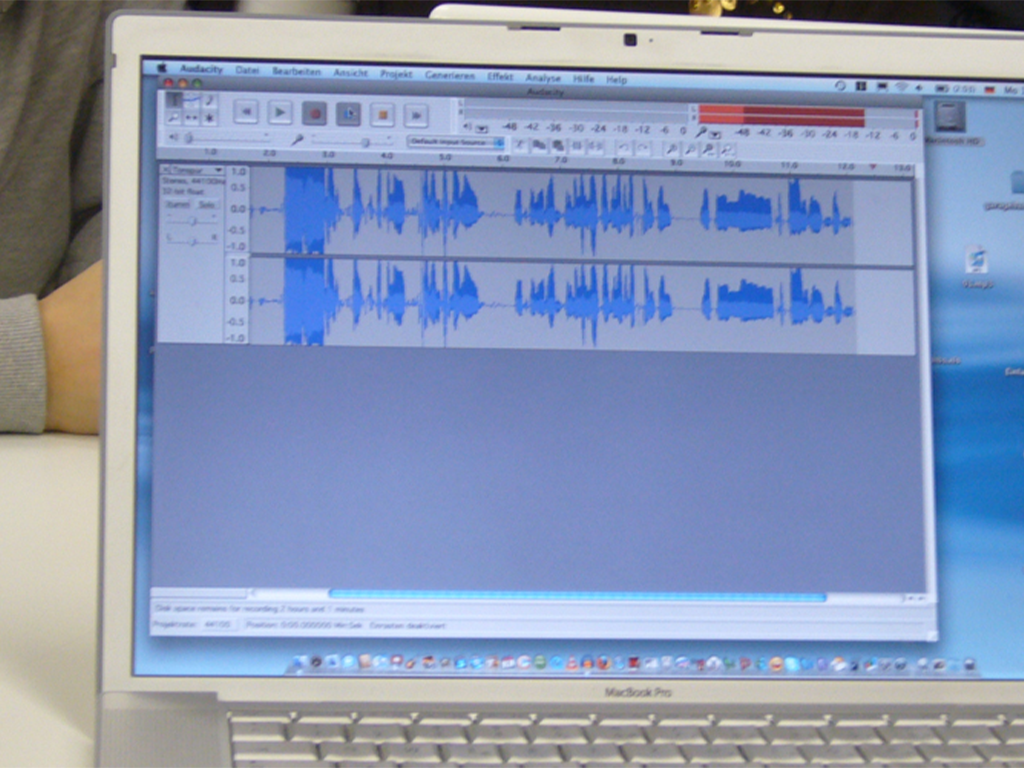
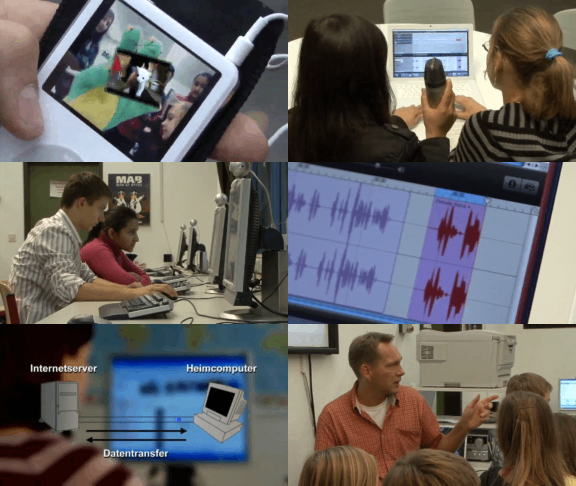
Today, the use of new media has become a matter of course not only in everyday life – schools and teaching, too, benefit from the new technologies and methods, which support active and independent learning. Especially in computer science, ethics and language courses but also in all other subjects, modern media are a valuable pedagogic and didactic asset. This DVD uses the example of podcasts to demonstrate how the possibilities opened up by new media can be applied in the classroom and how the pupils can be taught to handle them in a competent and target-oriented manner. The film is aimed at supporting the use of podcasts at school and encourages making them. This also requires the ability to find information on the Internet and assess it. The film informs on the functionality of podcasts and technical background as well as on the teaching and learning possibilities offered by podcasts – ranging from specific contents to superordinate learning targets such as the advancement of creativity and team spirit. The DVD is a useful support for teachers applying new media and wishing to show their pupils how to handle Running Time: 20:29 ms them in a sensible way.